Upload BOM & Gerber
-
Mobile: +86 13312967631
-
Email: sales@sugaintl.com

PCB Fabrication & PCBA Assembly Manufacturer in China
One-Stop Solution for PCB fabrication, PCBA manufacturing and OEM electronics
Since 2006, SUGA has assisted OEM electronics projects with PCB fabrication coordination, component sourcing, PCB assembly, inspection planning, and delivery follow-up. SUGA's Shenzhen operation assists global teams in preparing manufacturable orders with clearer files, sourcing control, and project documentation.







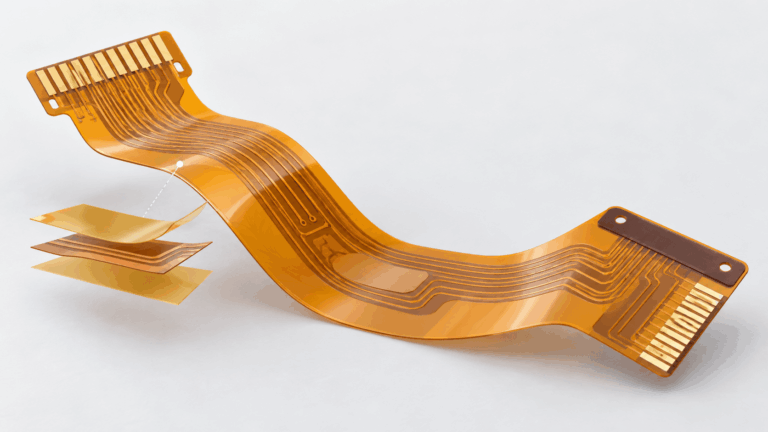
What SUGA Makes, Assembles and Supports
SUGA supports projects where board fabrication, component sourcing, assembly, and verification should be considered together for successful project execution. The groups below identify the specific capabilities to help select appropriate manufacturing resources before a quote request or file review.
PCB Fabrication
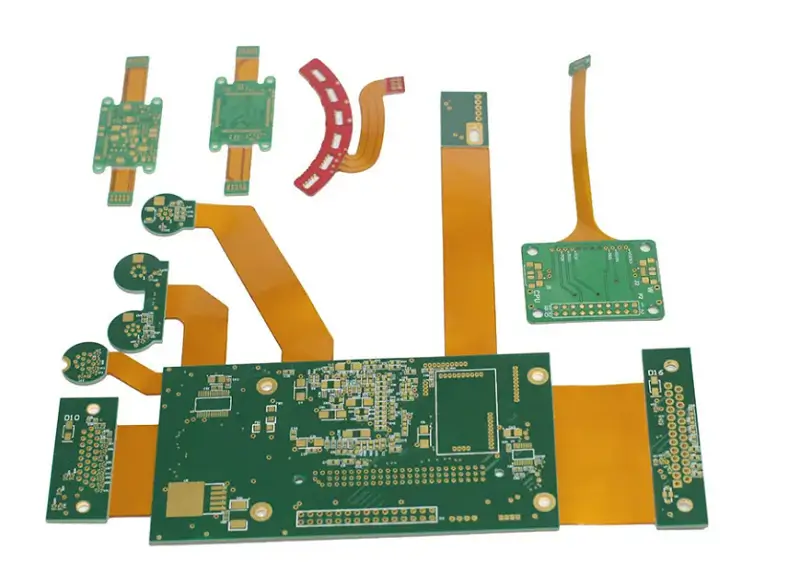
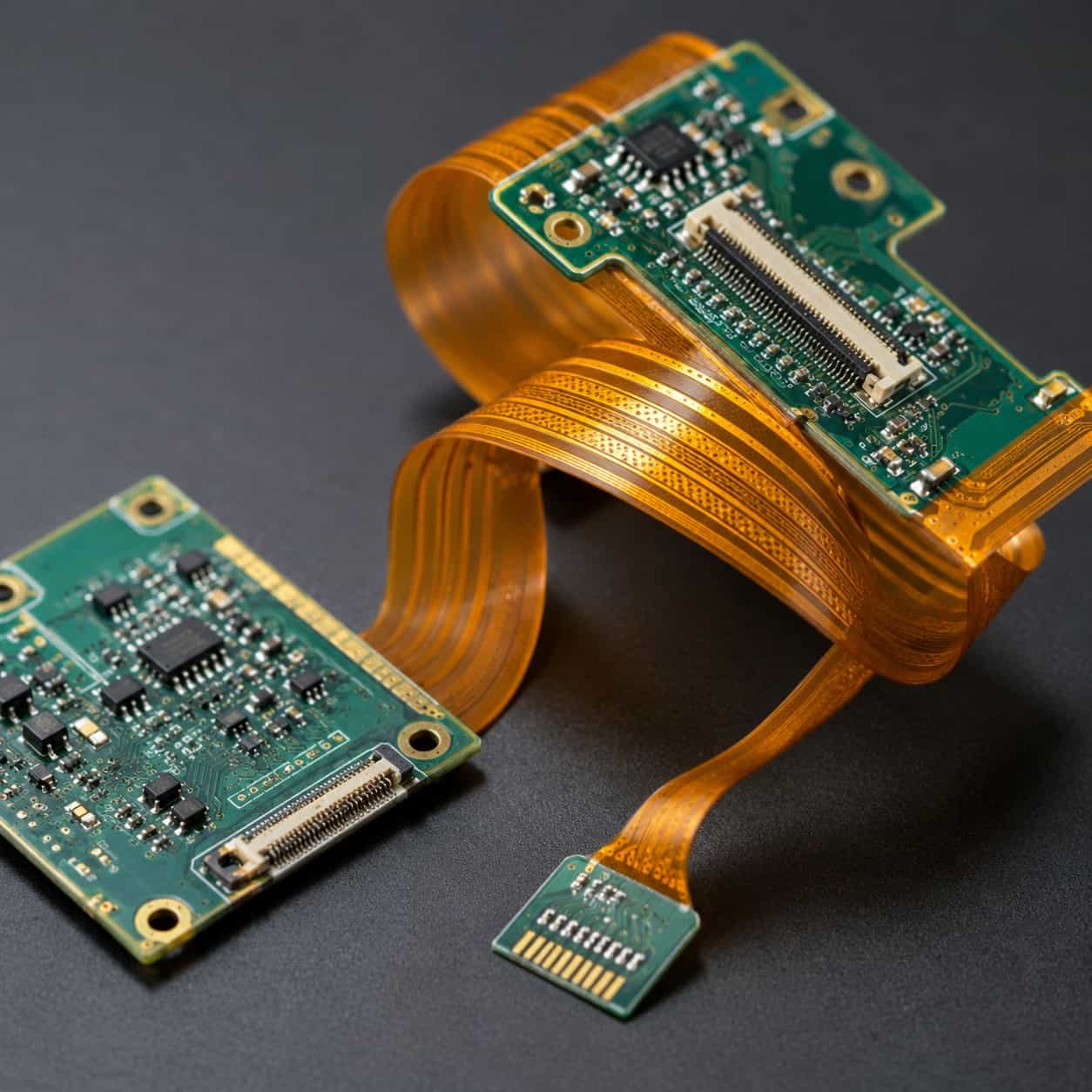
- Rigid, flexible, and rigid-flex PCBs
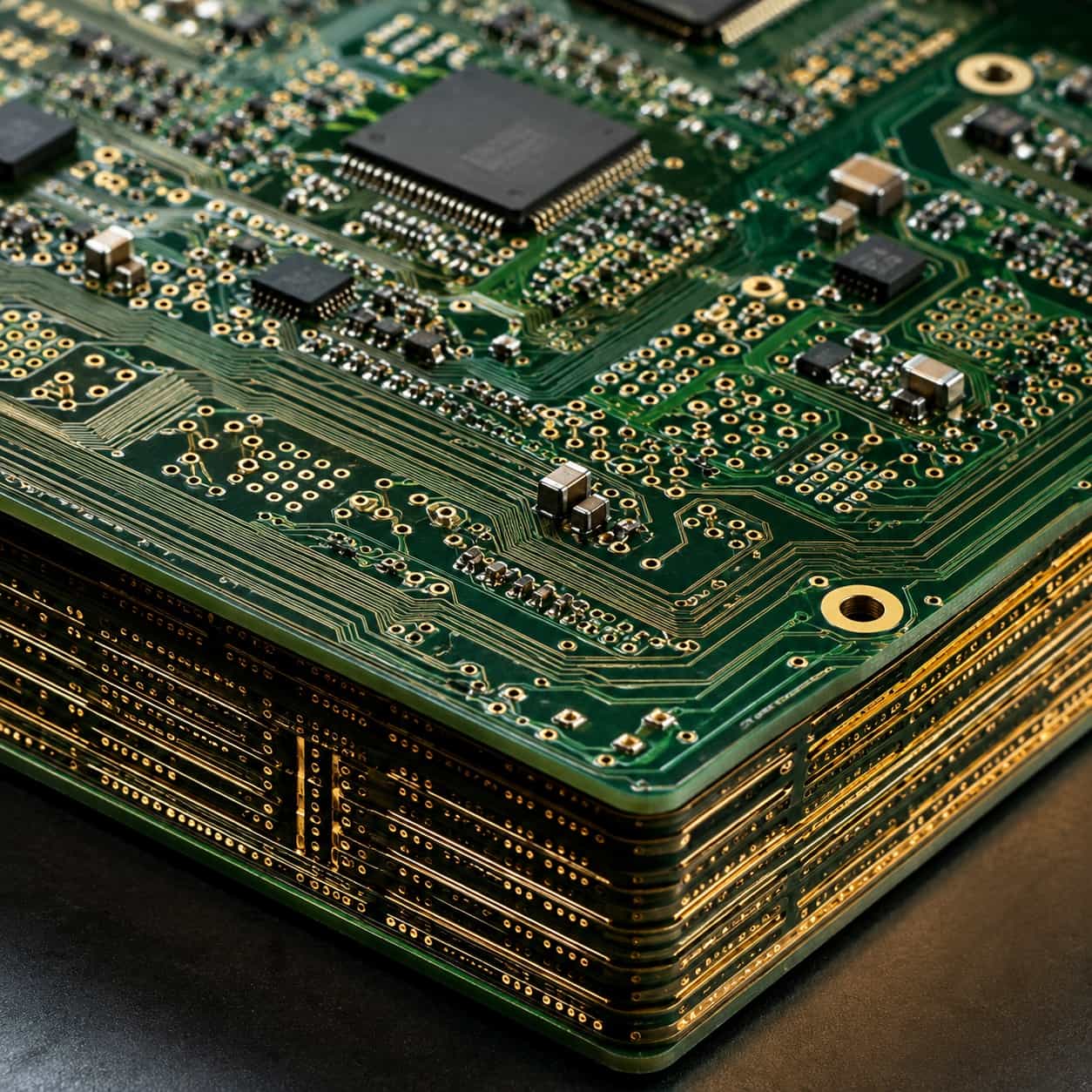
- Multilayer and high-density interconnect (HDI) PCB
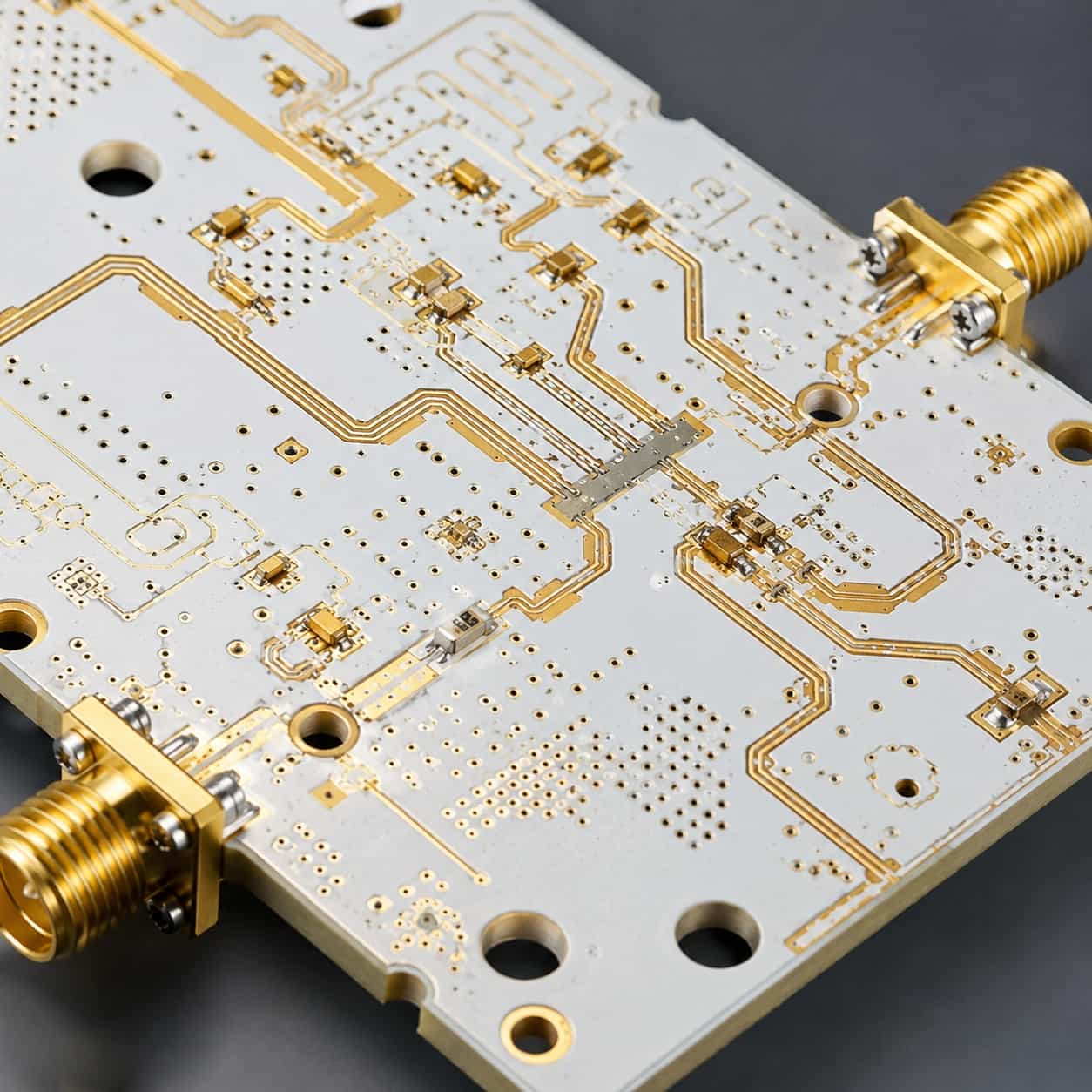
- RF, microwave, and high-frequency PCB
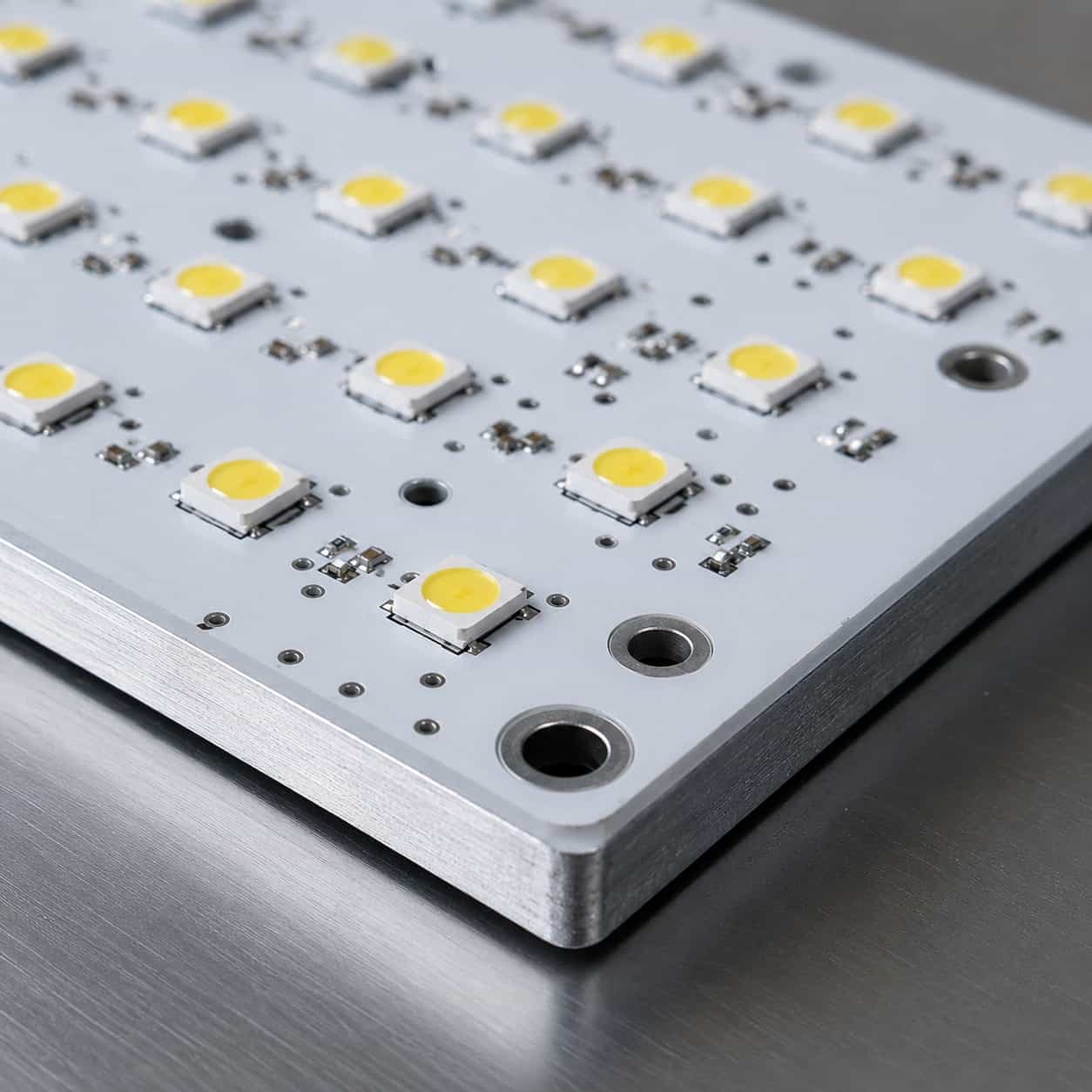
- Metal core PCB
- Board structures, materials, and surface finishes reviewed
- Panels planned prior to assembly
PCB Assembly
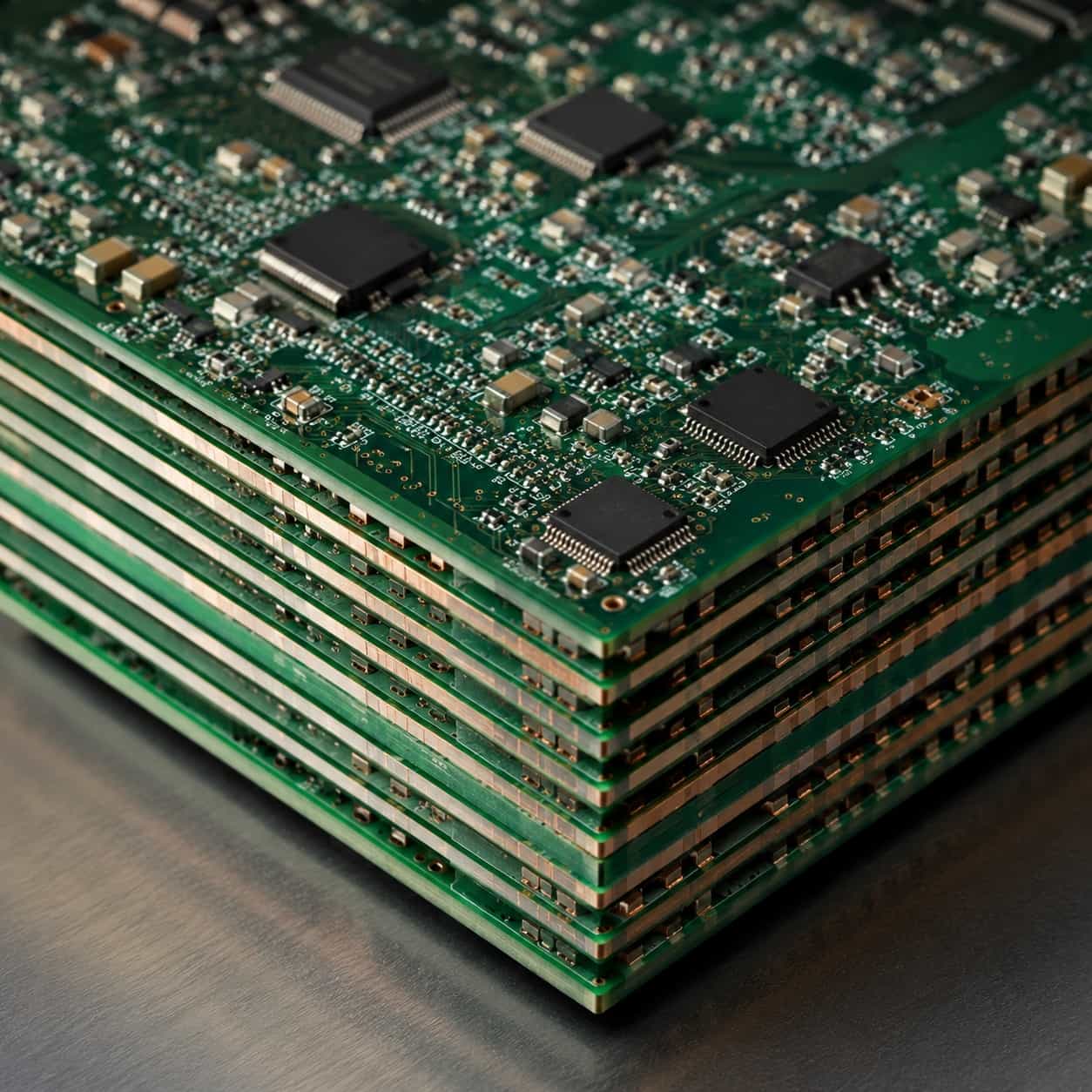
- Surface-mount technology (SMT) assembly
- Through-hole assembly
- BGA, QFN, and fine-pitch assembly
- Turnkey PCB Assembly
- Prototype, low-volume, and high-volume assembly
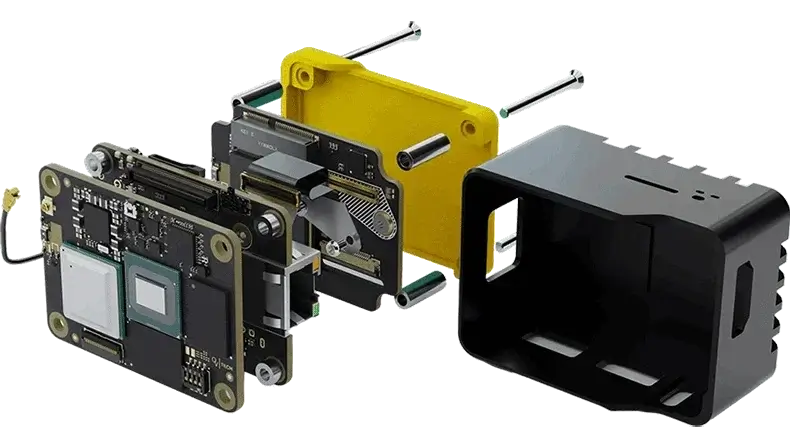
- Box build and system integration
Manufacturing Capabilities
- SMT, through-hole, and mixed-process manufacturing support available
- Conformal coating support if specified
- Aging support if specified in the test plan
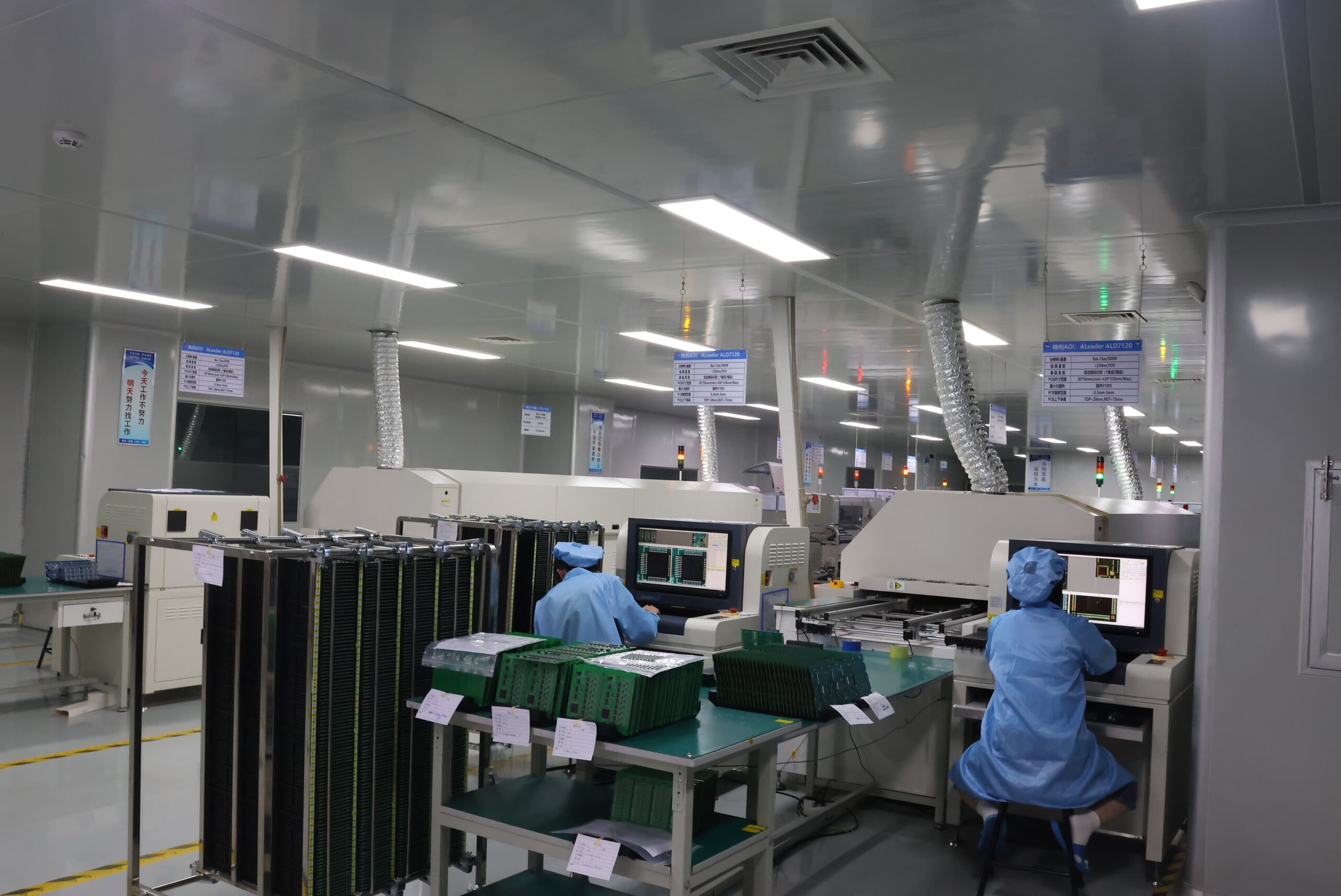
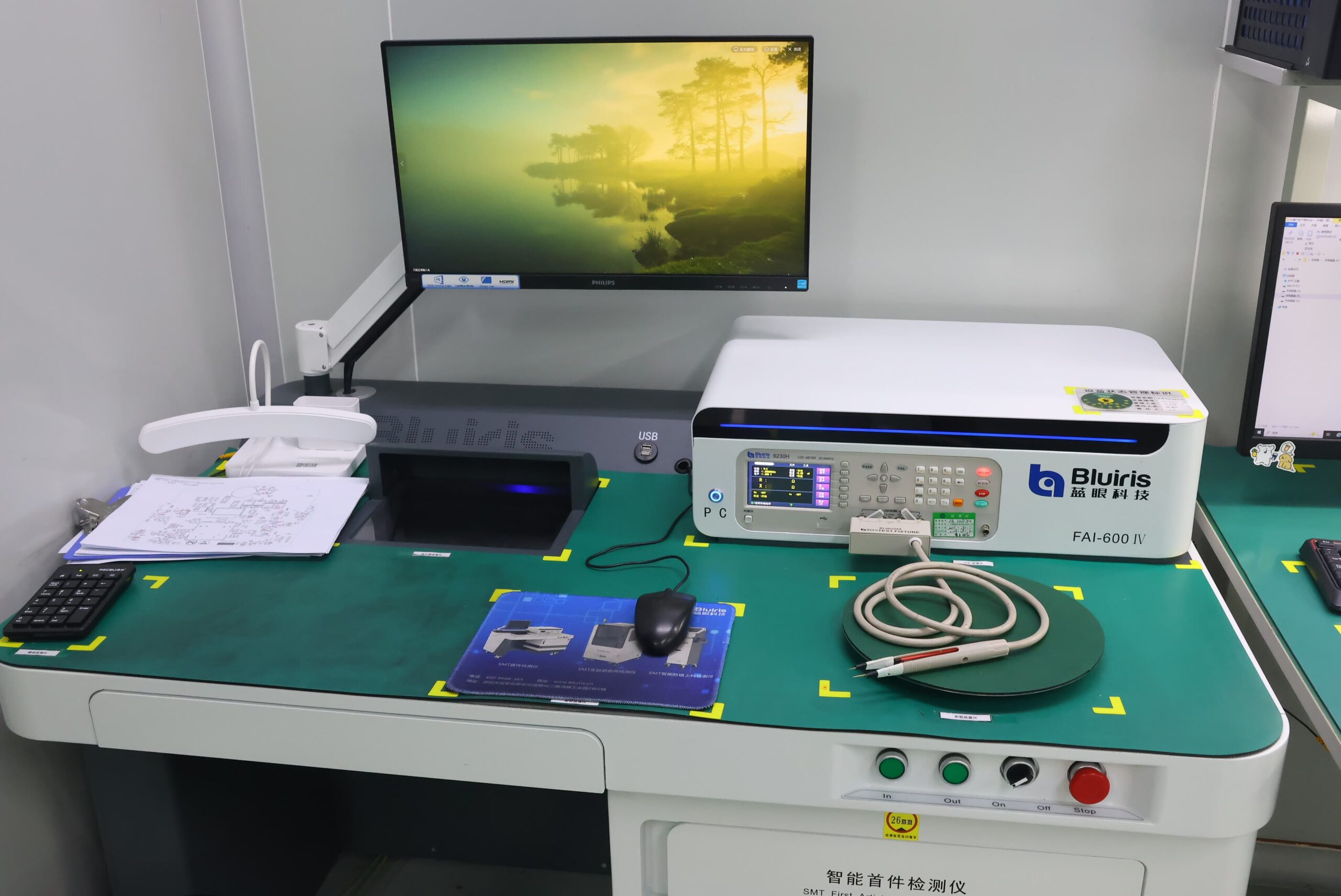
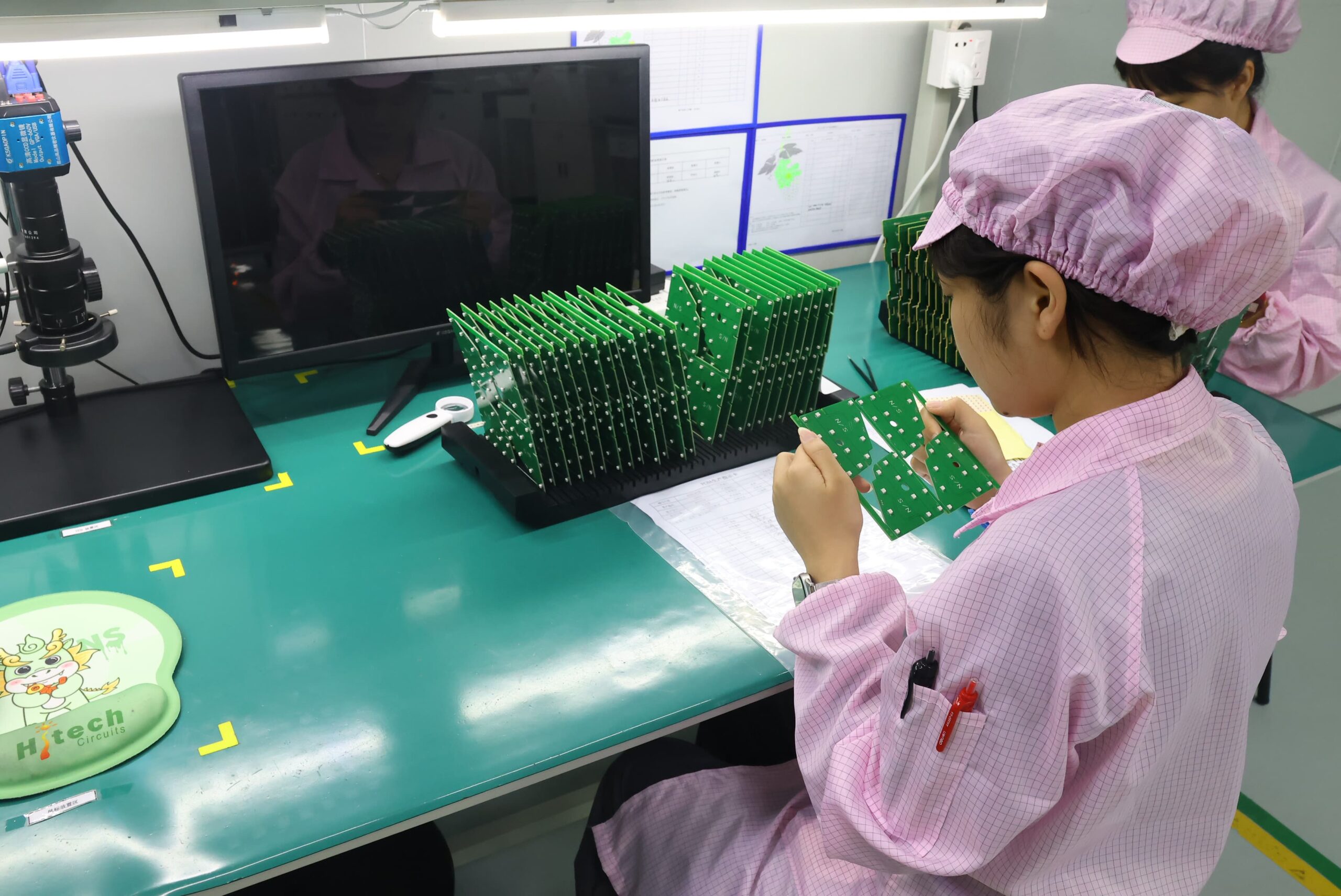
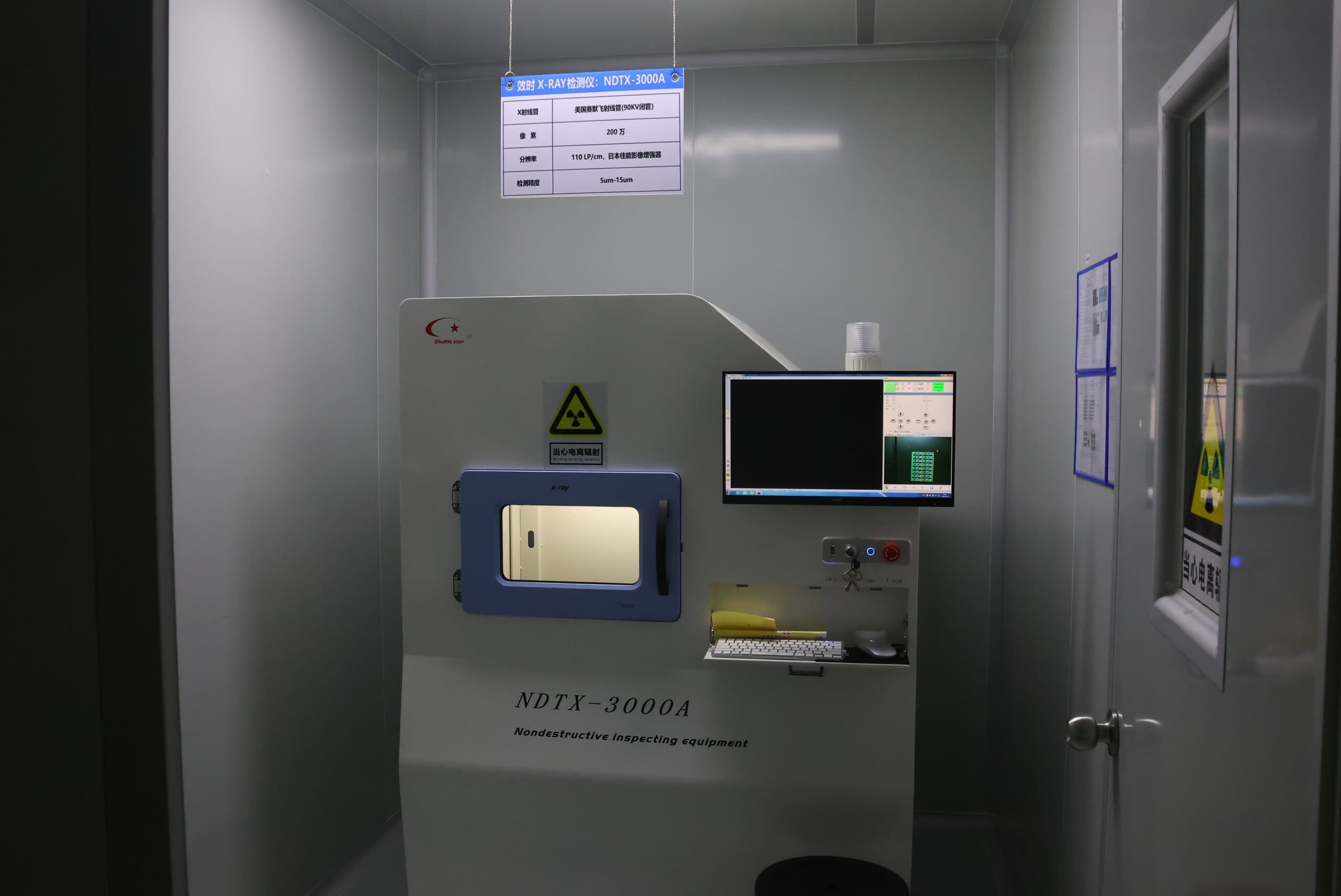
- Automated optical inspection (AOI), X-ray, in-circuit test (ICT), aging, and automated test equipment (ATE) available if specified
- Manufacturing documentation available upon request
- PCB and PCBA capability review for OEM projects
Manufacturing Resources That Support OEM Orders
OEM teams can better evaluate manufacturing capability through documented production records. The following information covers historical operations, order flexibility, production resources, and special-process support available to customers.

30+ Years Group History
SUGA Group has over 30 years of experience in electronics manufacturing, supporting continuity across repeat orders, product revisions, and documentation cycles.

Shenzhen Operation Since 2006
The Shenzhen operation has supported global teams with quotation intake, sample and validation orders, and engineering follow-up before PCB and PCBA projects enter production.

No MOQ Requirement
SUGA has no minimum order quantity (MOQ) requirement for prototype, validation, small-batch, and repeat orders, so a project can be reviewed without requiring a large production commitment.

18 SMT Lines
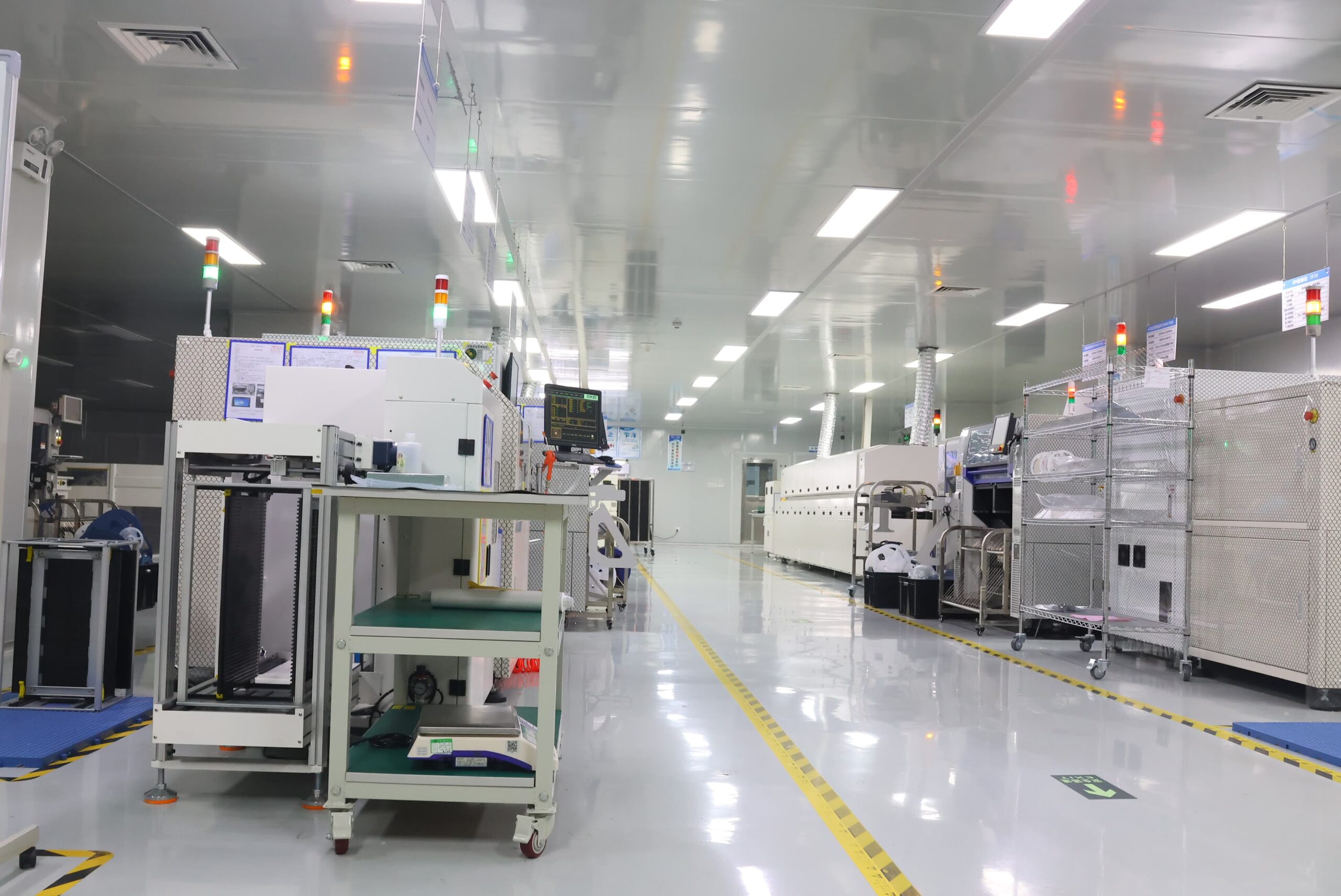
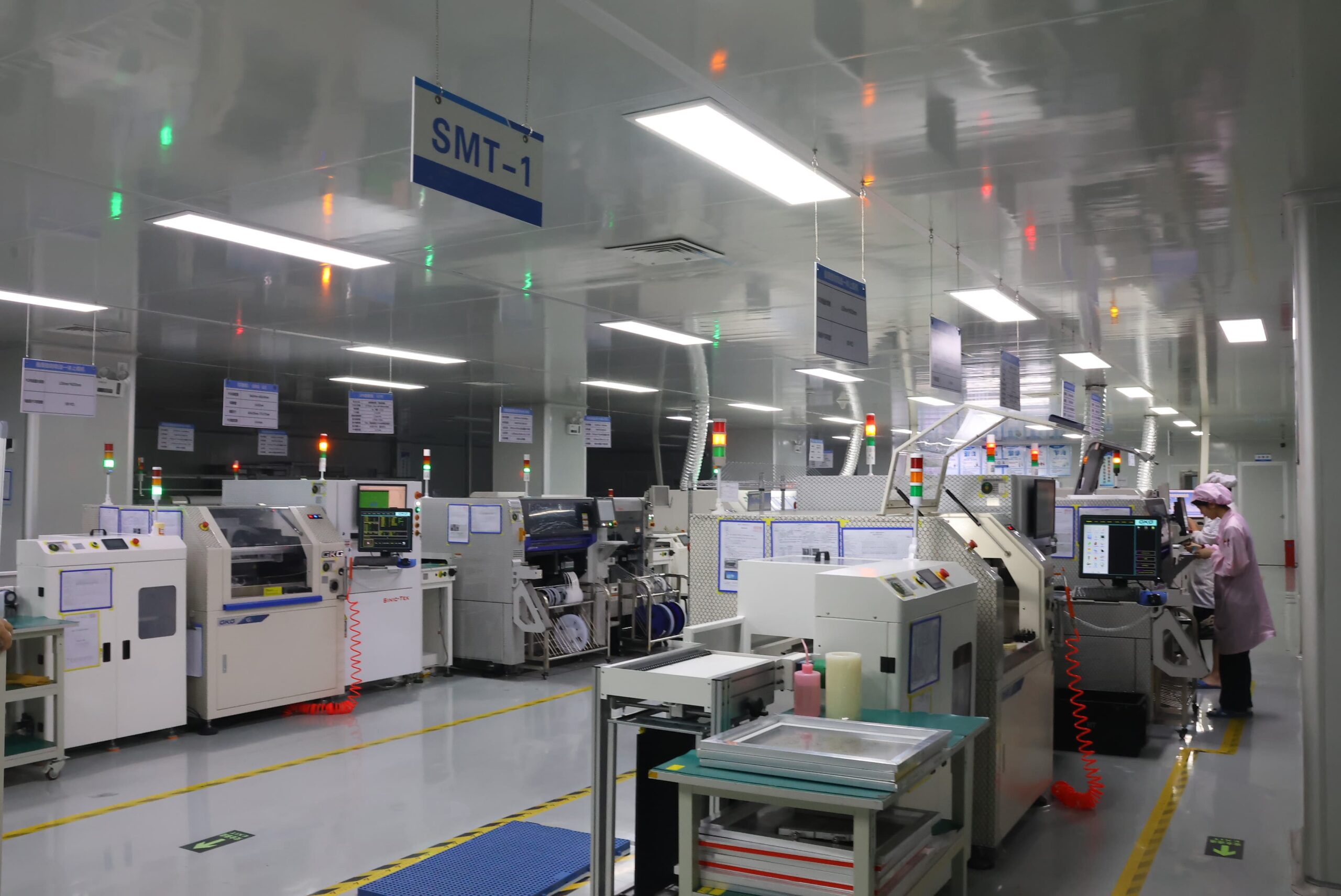
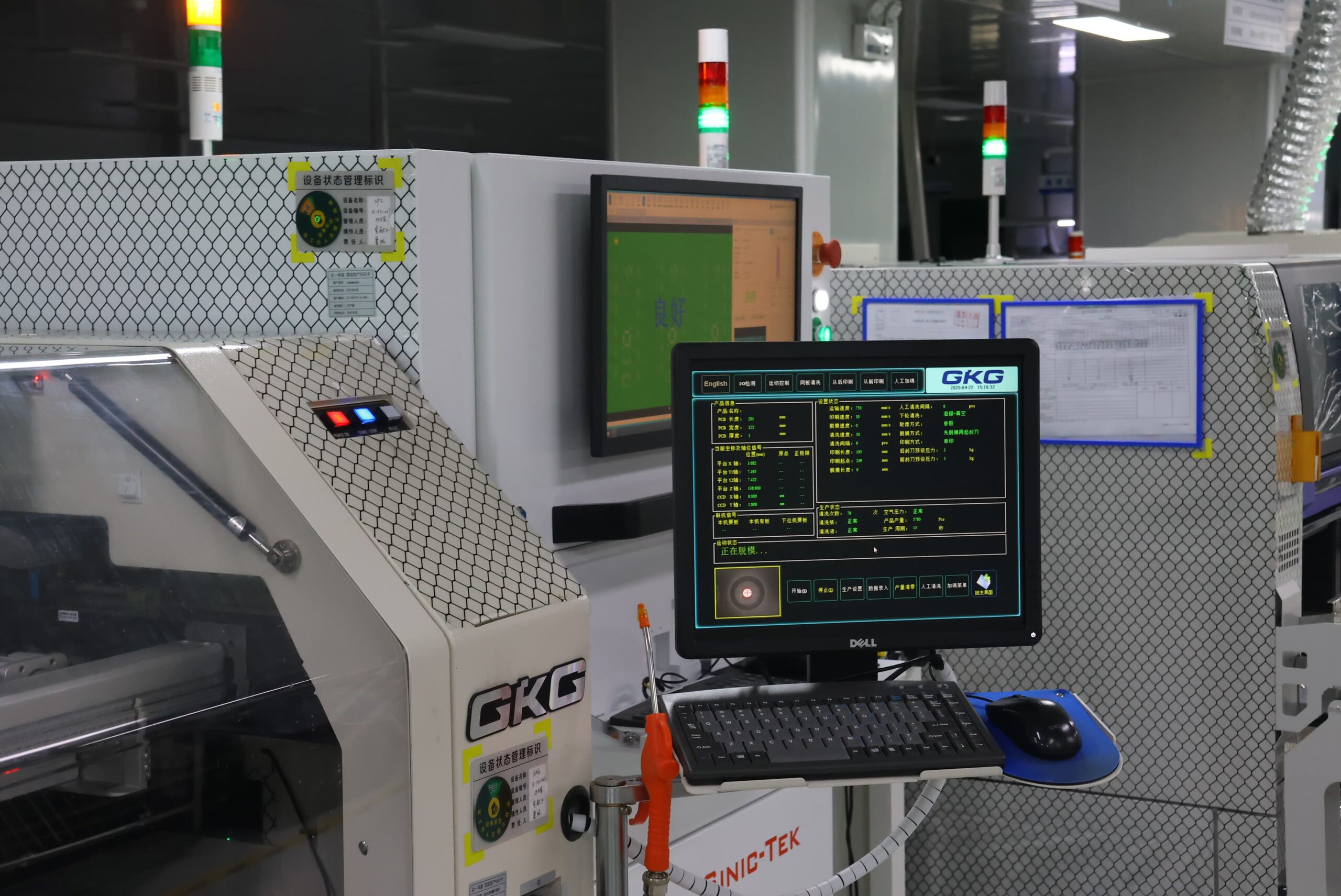
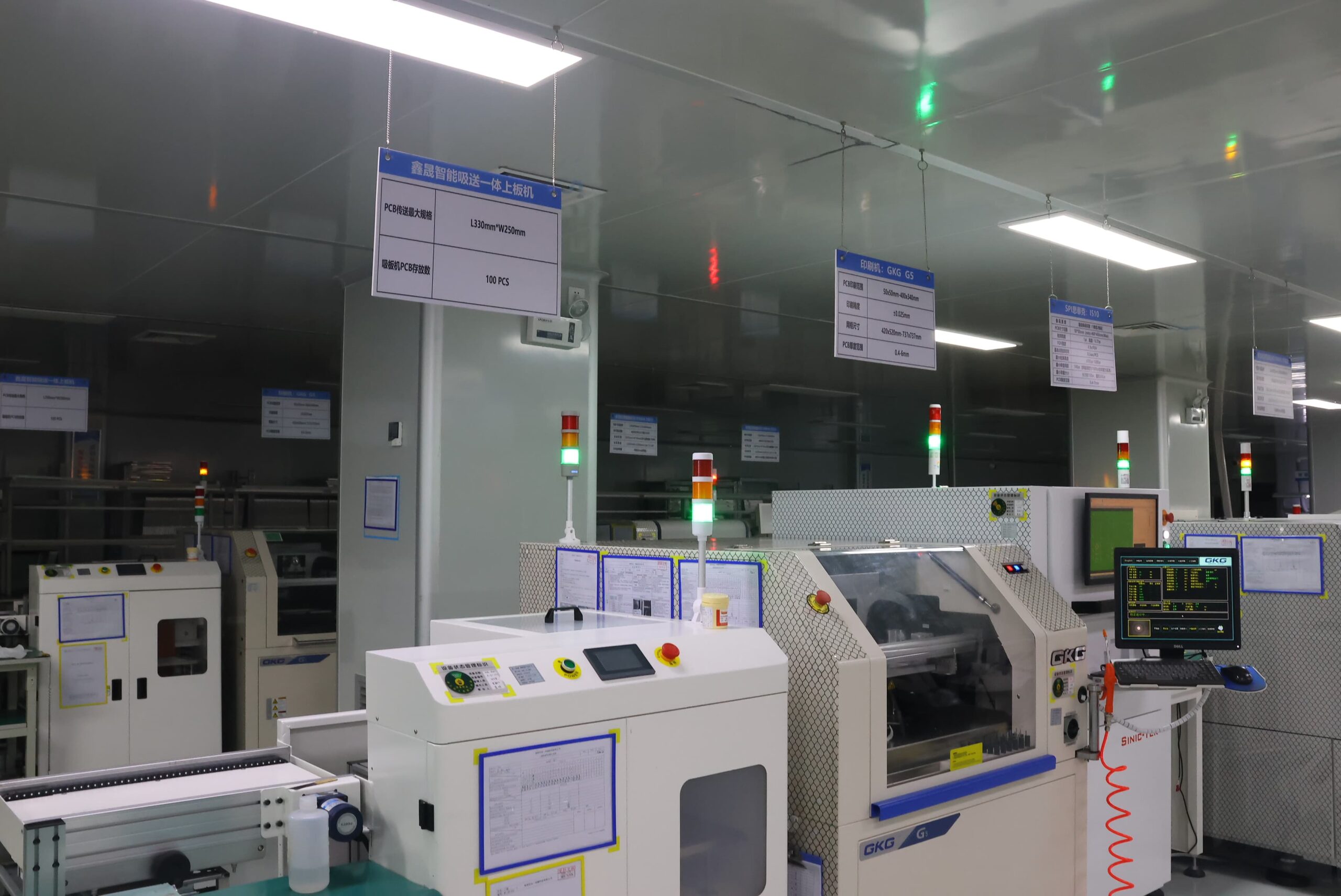
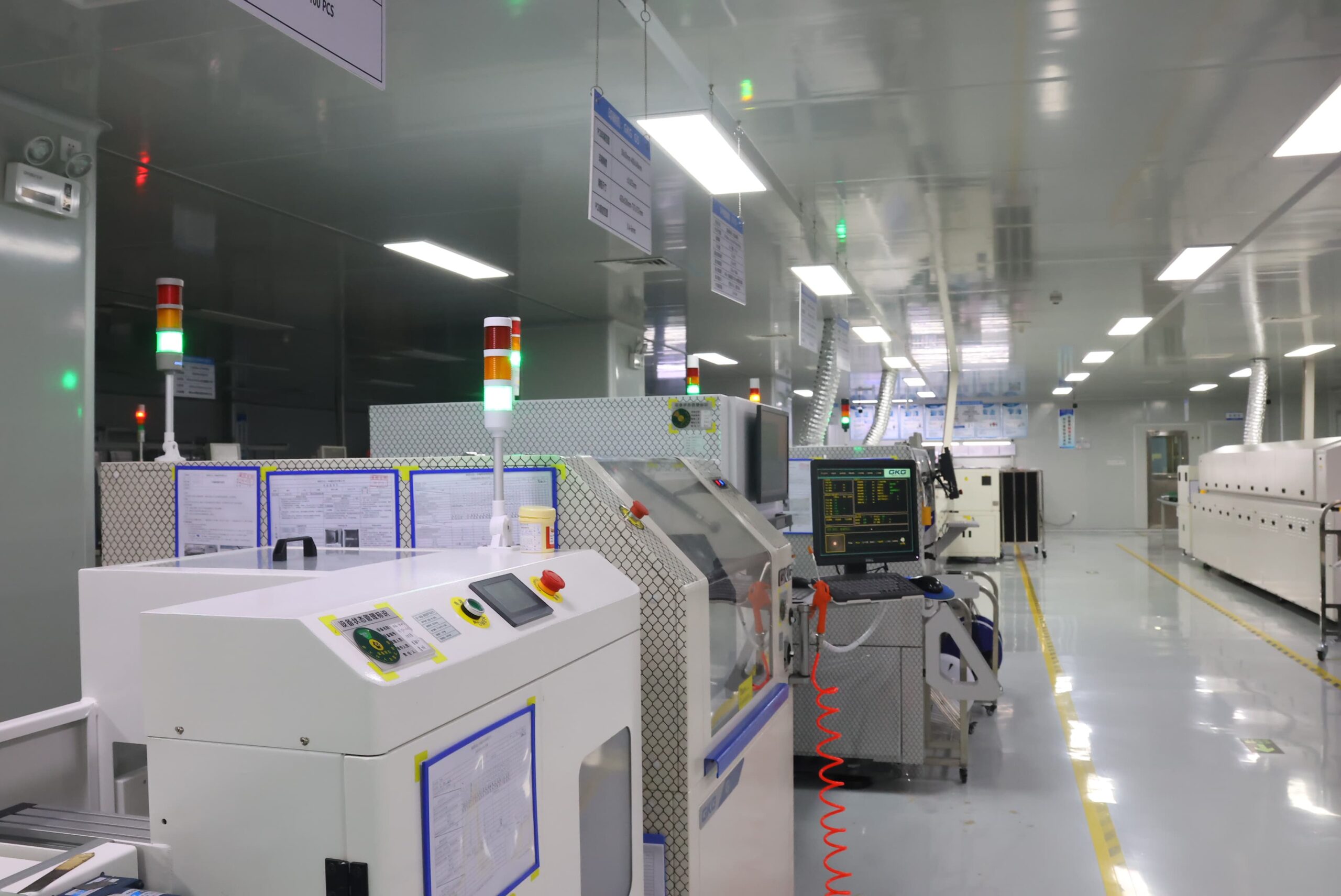
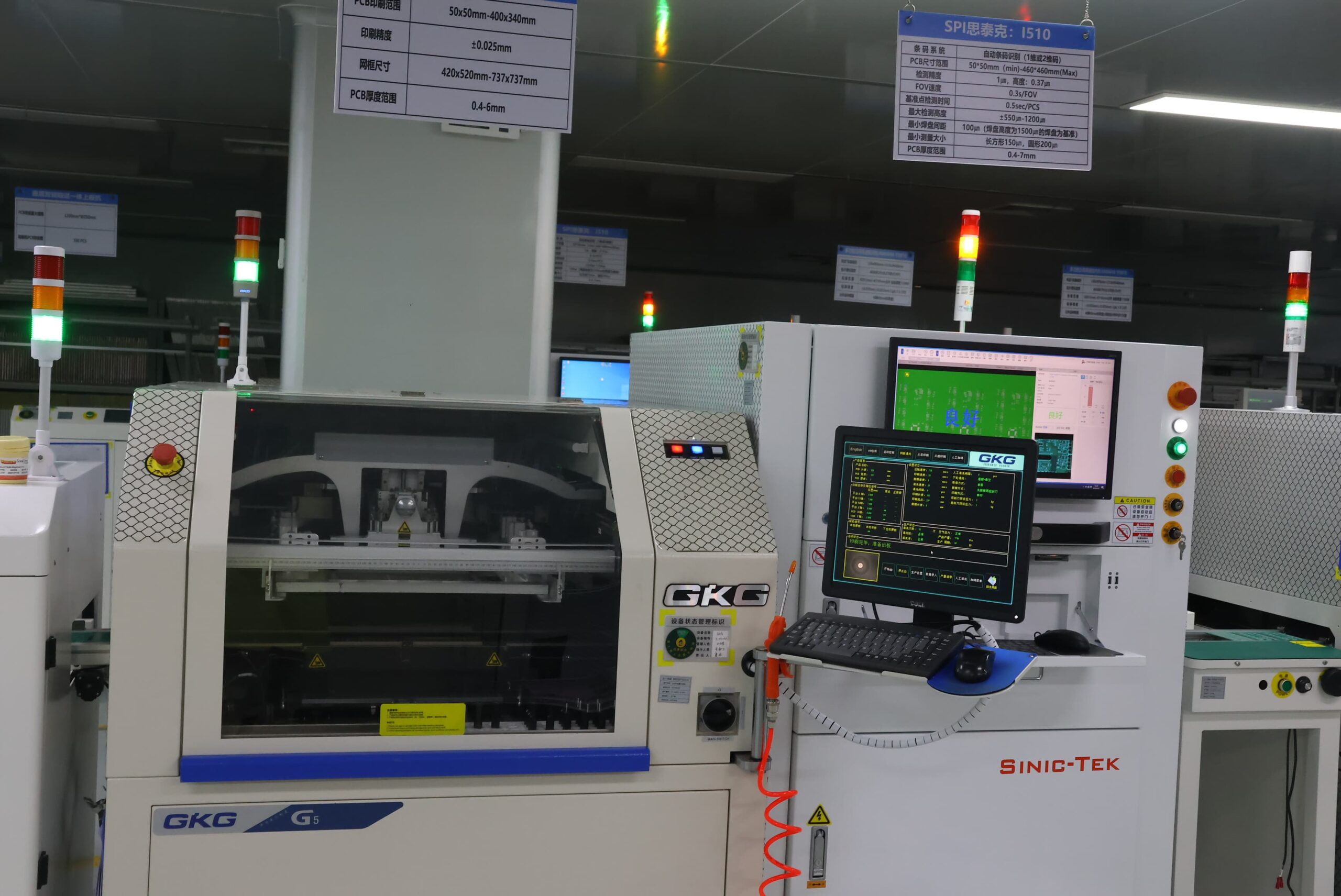
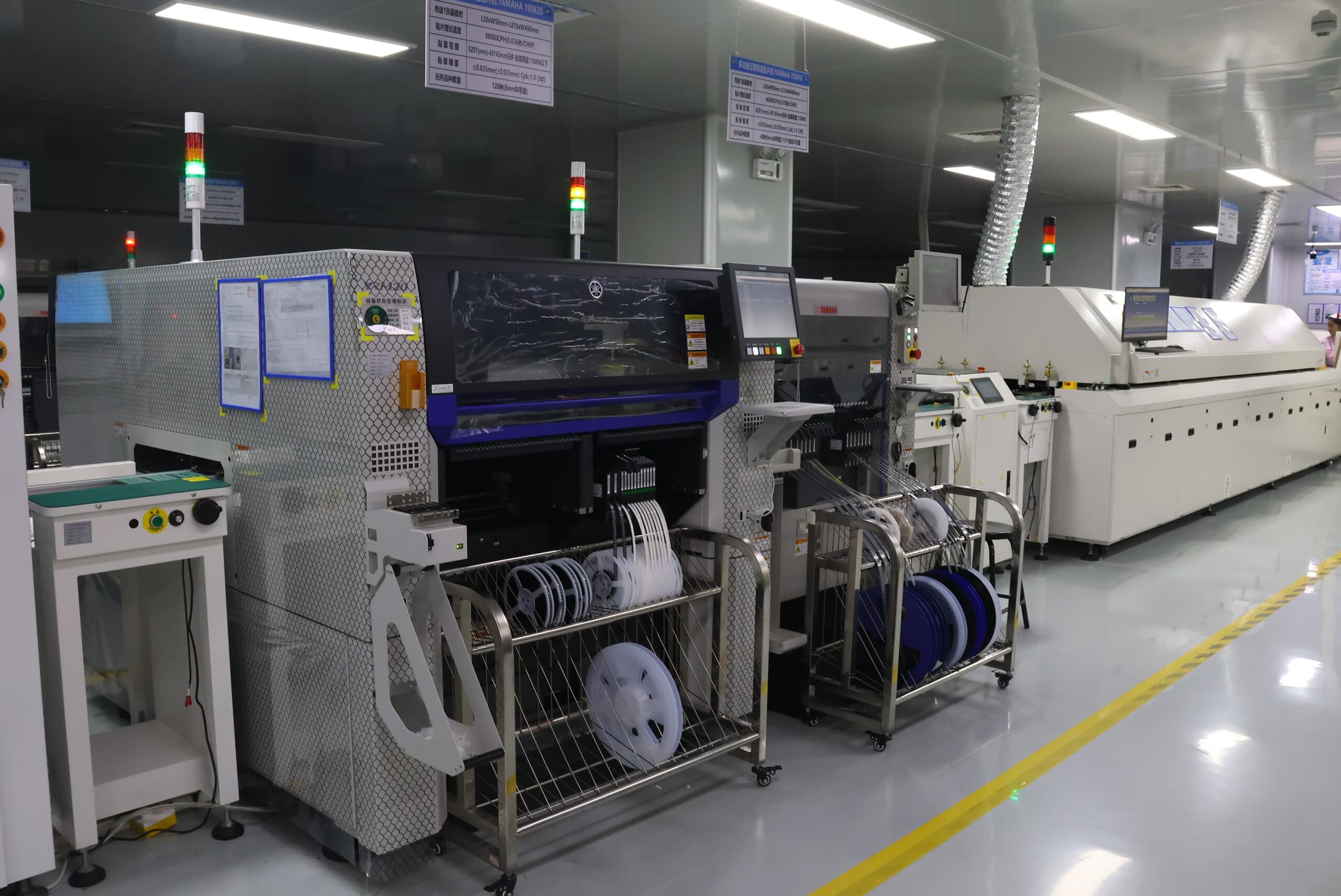
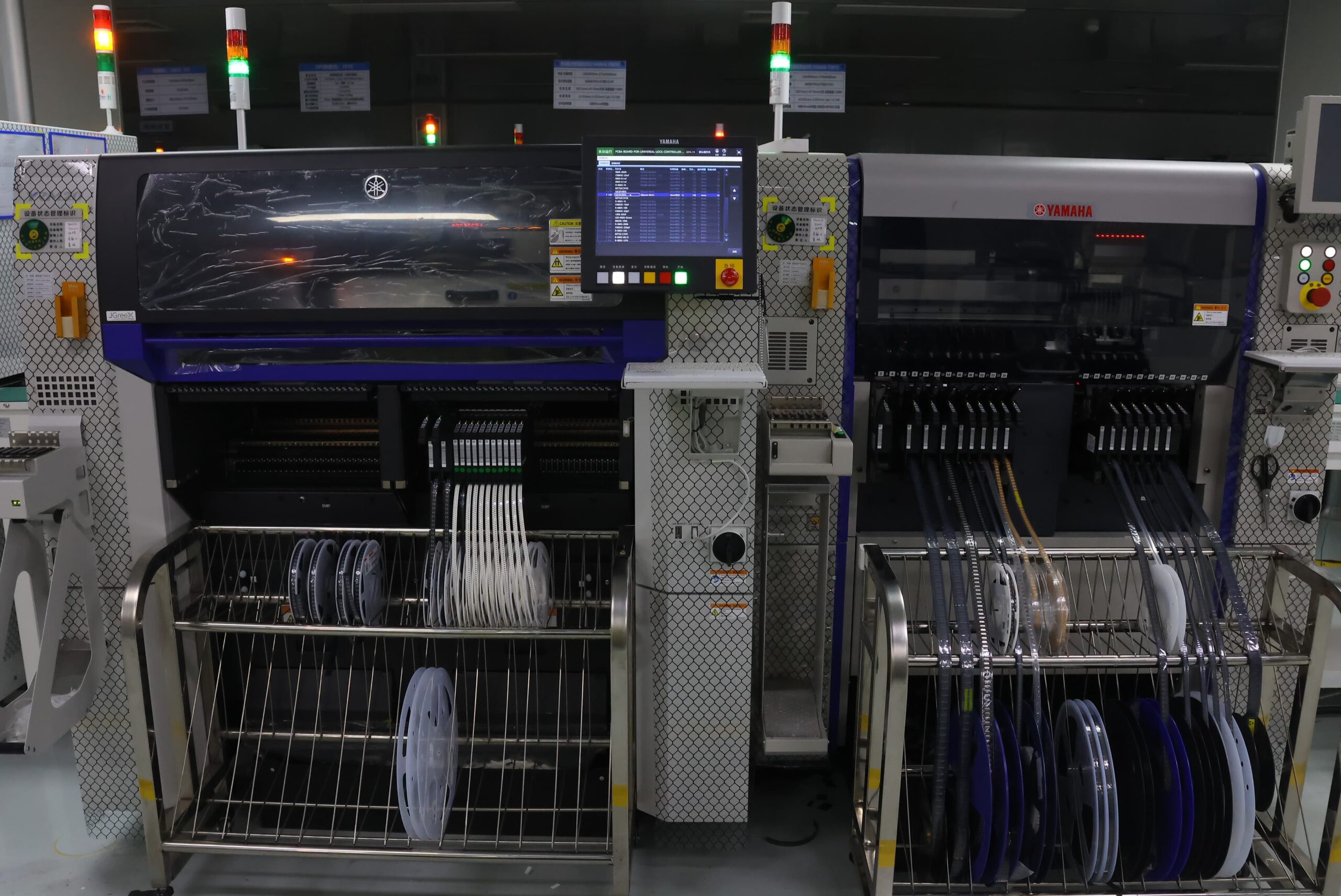
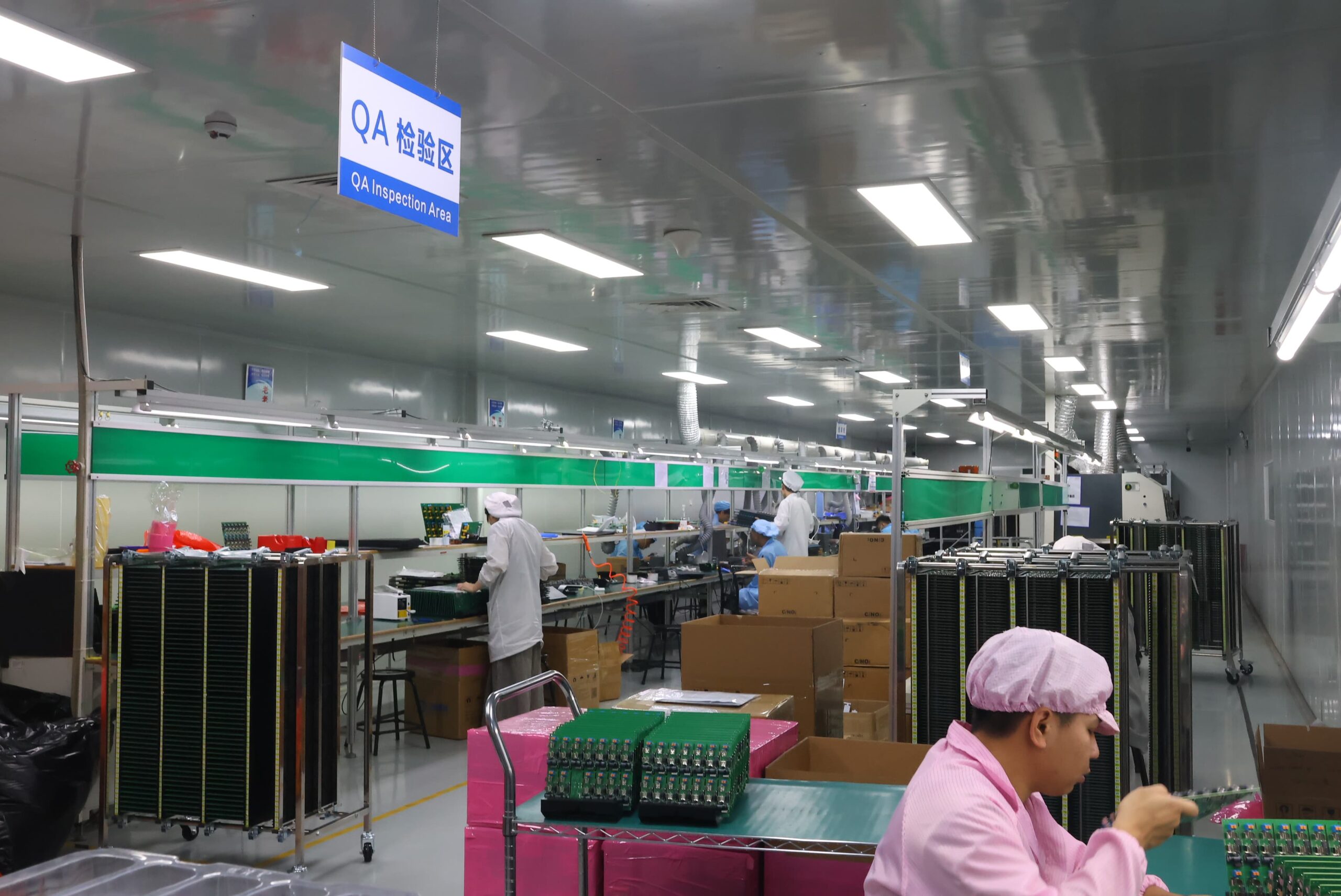
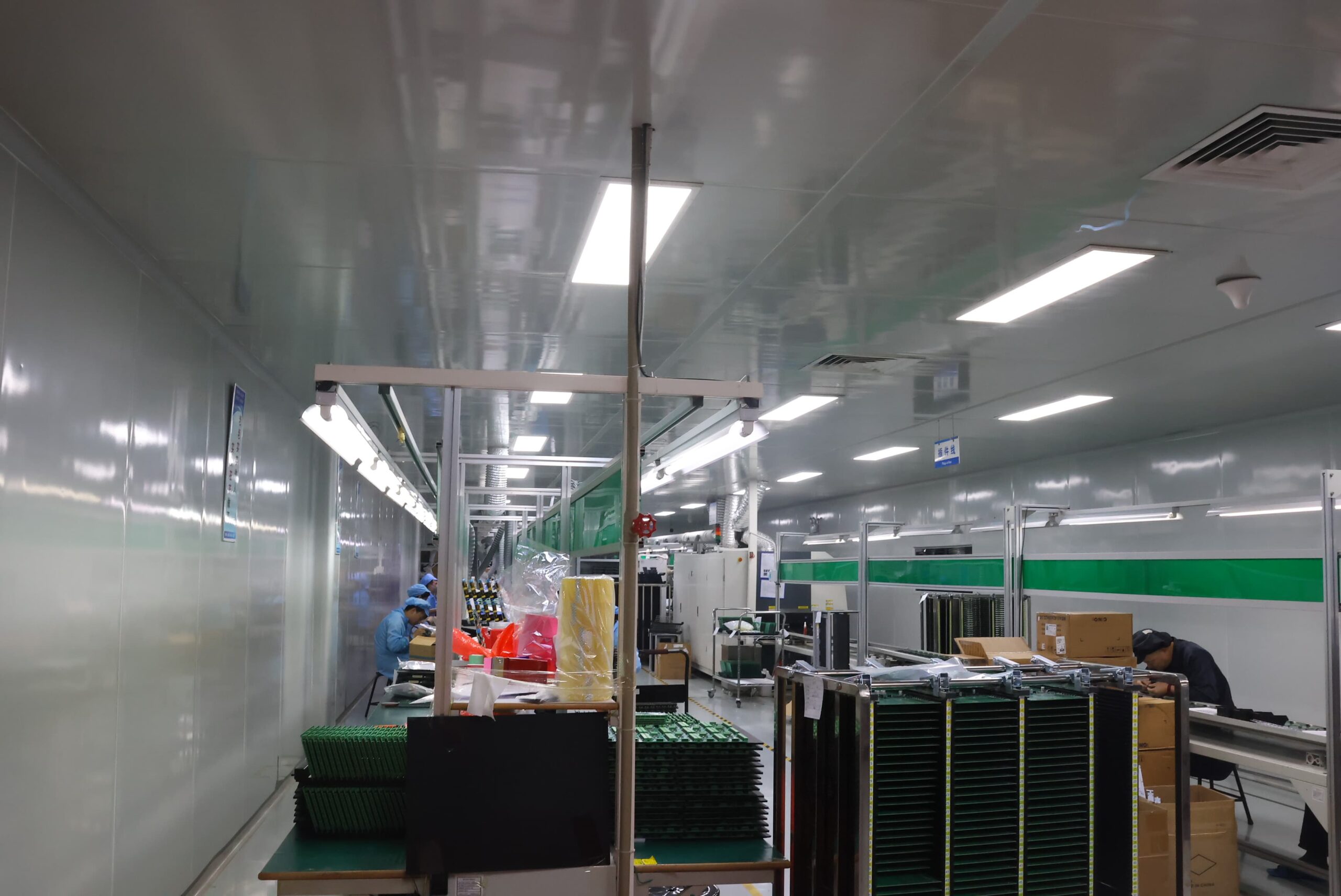
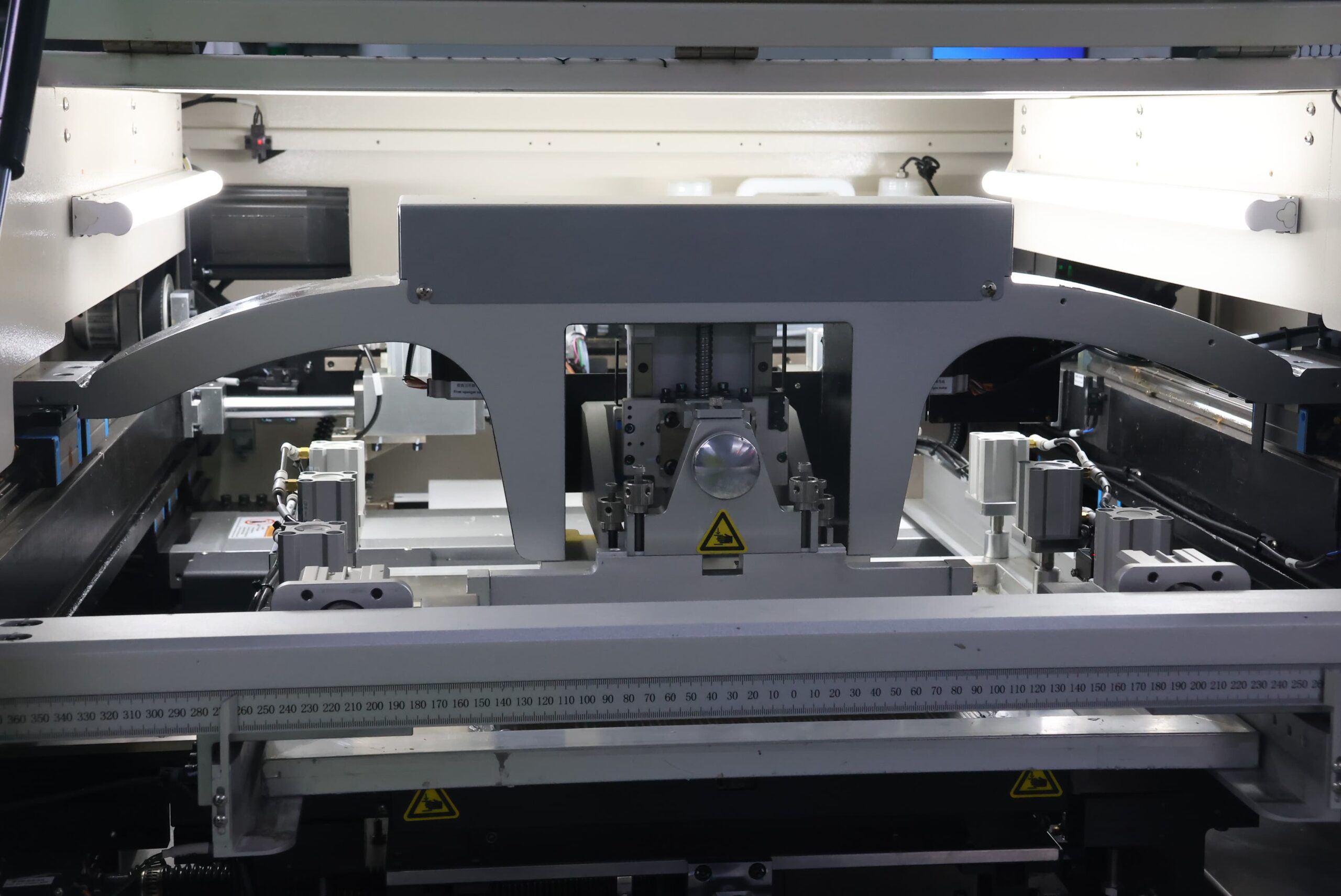
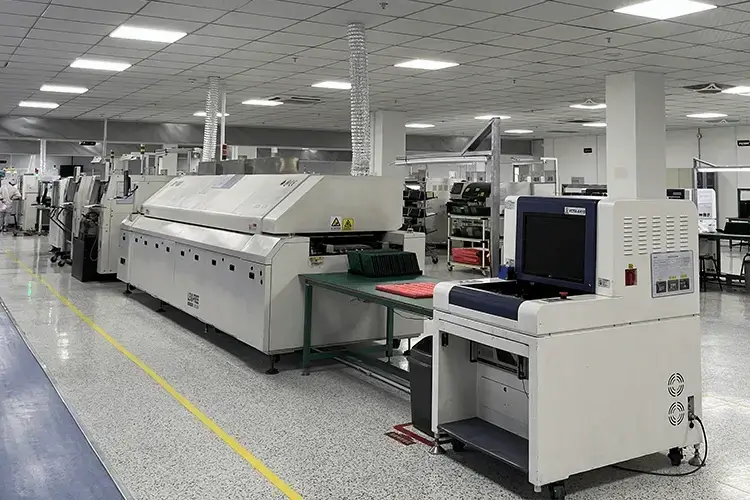
SUGA has 18 surface-mount technology (SMT) production lines, which support placement-capacity planning based on different product types. SUGA also has 8 dual in-line package (DIP) production lines, which are designed to accommodate mixed SMT and through-hole content.

4 Coating Lines · 36 m² Aging Room
SUGA has 4 conformal coating lines to provide protection from moisture, condensation, and chemical exposure when specified during the coating process. SUGA has a 36 m² aging room to verify electrical functions when aging or functional stress testing is specified.

5000+ Projects · 1000+ Global Customers
SUGA has helped identify sourcing issues, mismatched revisions, unclear substitutions, gaps in test access, and documentation needs early in the project relationship.
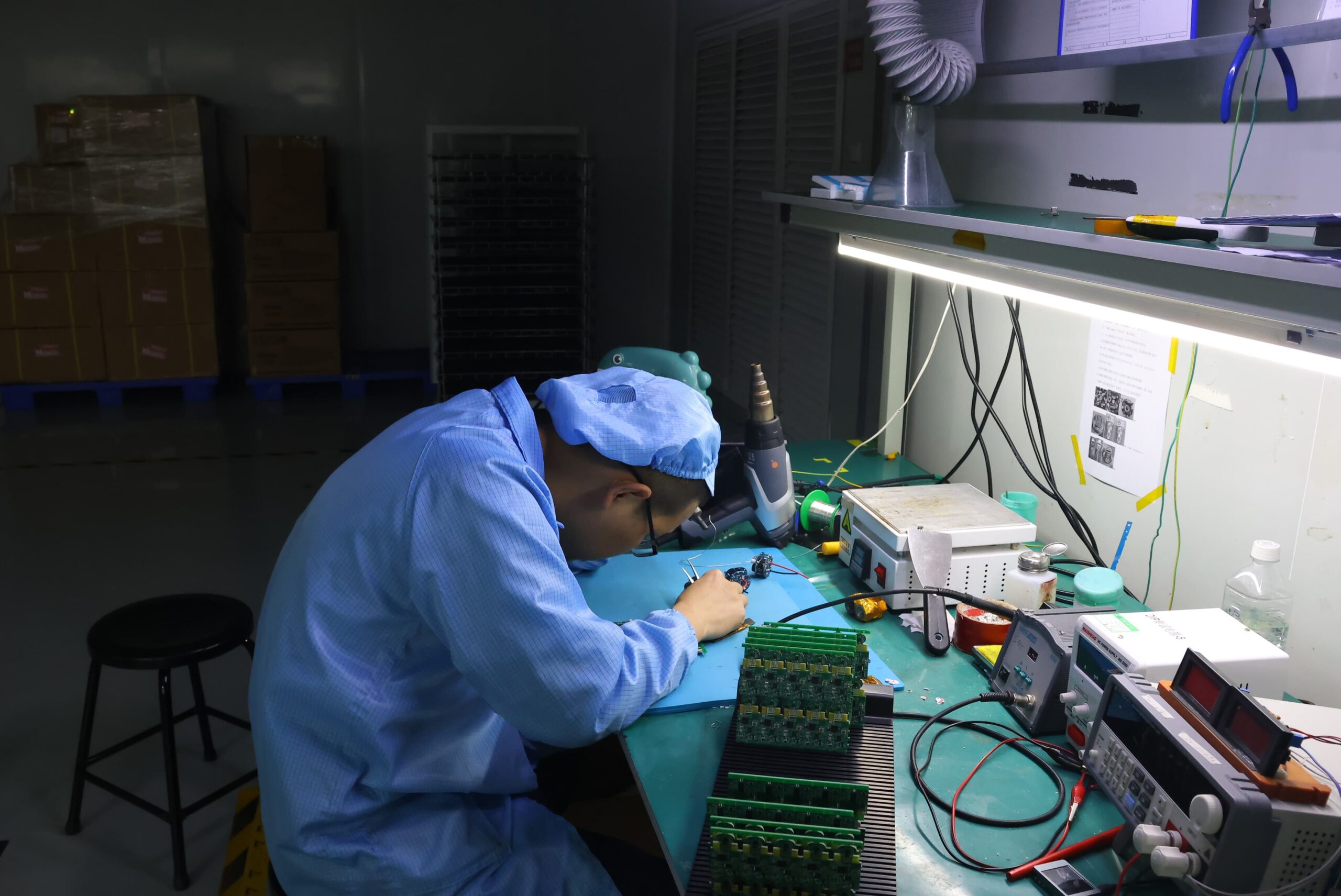
Our PCBA Production Lines
Quality Documents and Inspection Options
Quality inspection for OEM orders involves more than checking for visible defects after your product has been assembled. It is also about how management system documentation, inspection records, test reports, and compliance documents support project review before production progresses.
Management System Documentation
SUGA can provide management system documentation, including quality, environmental, hazardous-substance, medical electronics, and occupational health and safety documentation, upon request.
ISO 9001 is used for quality management review and helps evaluate quality management system documentation. ISO 14001 supports environmental management system review. QC 080000 supports hazardous-substance process management review. ISO 13485 supports medical electronics quality system documentation within confirmed project scope. ISO 45001 supports occupational health and safety management review, so it is useful for responsible-operations evaluation rather than product quality approval.
Inspection and Testing Options
The inspection and testing methods selected for your product will depend on package risk, product access, drawing requirements, and the agreed test plan. Depending on what your order requires and on the complexity of your product, examples of inspection and testing methods include visual or optical inspection, X-ray inspection for hidden solder joints, electrical access testing, functional testing, aging testing, and ATE when required.
These inspection and testing methods can help reduce problems such as soldering issues, placement defects, open and short circuits, and functional risks before shipping your product.
Compliance Documents
RoHS and REACH documents, conflict minerals documents, IPC-related documents, and UL-related documents may also be provided when applicable to your order. Documentation requirements should be defined in the customer's specification or contract if regulated electronics, special acceptance records, or environmental declarations are needed.
Why PCB and PCBA Costs Change from Order to Order
PCB and PCBA pricing will change from order to order based upon the combination of board structure, material selection, component availability, assembly process, inspection needs, test expectations, and quantity. Typically, a lower unit price can be achieved when the same setup effort has been distributed among a greater number of boards; however, setup, sourcing, stencil, fixture, and verification work should be confirmed before the assembly process.
PCB Fabrication Cost Drivers
The price of the bare board will be driven by the number of layers, type of substrate or material, physical size of the board, copper weight, surface finish, via configuration, required impedance, and panel use. The differences in the fabrication effort needed for a simple rigid PCB compared to a high-density PCB will require different production efforts. To determine whether a six-layer PCB costs the same to fabricate as a three-layer PCB, layer count alone will not establish a price without stack-up, Gerber files, surface finish, and quantity.
PCBA Cost Drivers
The majority of assembly costs will be affected by the bill of materials (BOM), package type, placement density, soldering method, stencil need, fixture support, inspection access, and test process. Fine-pitch packages, 01005 parts, 0.35 mm pitch BGA or QFN packages, and 0.4 mm pitch connectors may require closer review before price determination, since placement access and verification coverage can affect the assembly process. For instance, although the fixed expense for stencil or programming effort is the same, if that expense is evenly distributed over 10 PCB assemblies, there is a much higher setup burden on a per-board basis than over 200 assemblies.
What to Send for a Clear Manufacturing Quote
To get a complete quote from a manufacturer, you need to send files that tell SUGA what to manufacture, assemble, inspect, and ship.
Files to Send
Please provide the BOM, Gerber files, centroid file, assembly drawing, order quantity, revision notes, delivery needs, and any testing needs. If you need approved substitutes, special packaging, coating, aging, or compliance documentation, give those needs upfront.
Initial Response
If SUGA receives complete BOM and project files, it aims to provide an initial response within 12 hours.
Find the Right Service or Application Area
Typically, PCB and PCBA projects have different priorities to start with. Some projects use a single supplier for sourcing and assembly. In other projects, there may be a more hands-on focus on surface-mount production, flex and rigid-flex assembly, box build assembly, advanced PCBs, or industry documentation requirements. The following areas will help you determine which SUGA manufacturing support is relevant to your project.
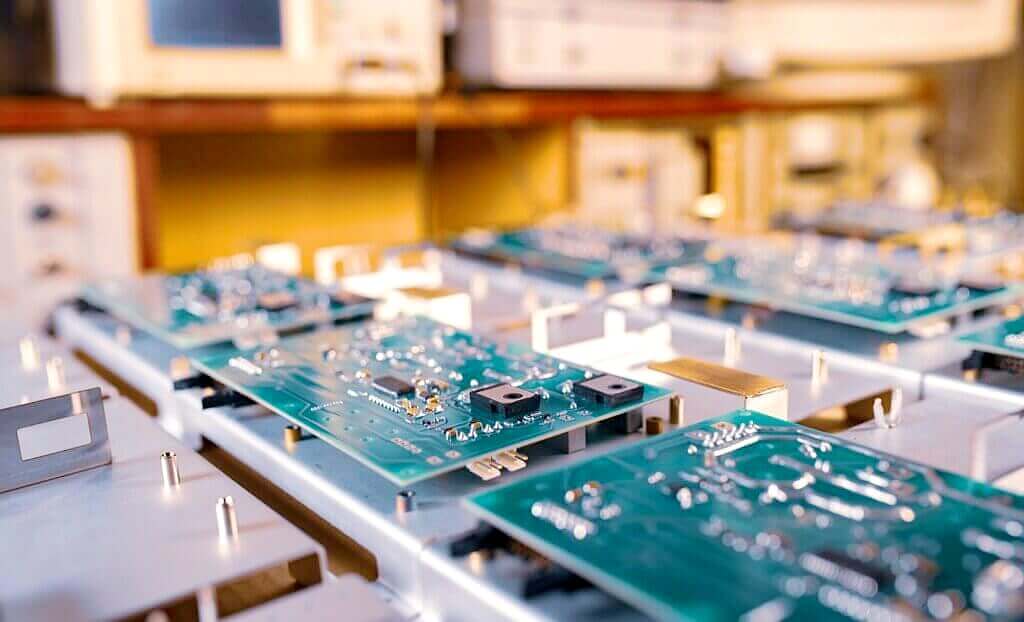
PCB Assembly Services
PCB Manufacturing & Advanced PCB





Frequently Asked Questions
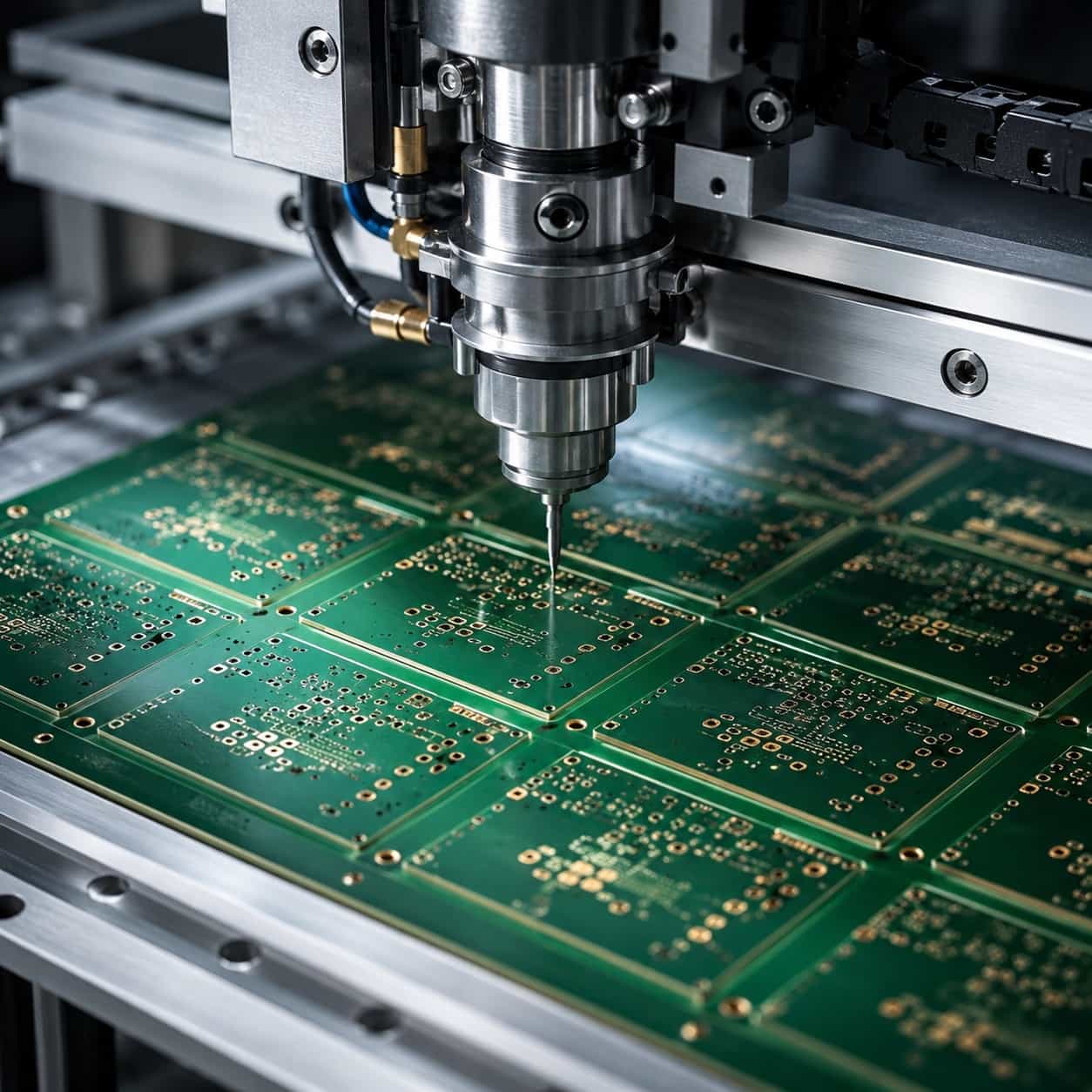
PCB manufacturing refers to the manufacturing process of a bare printed circuit board (PCB) that has not yet had any components added to it. PCB manufacturing consists of the preparation of the board material, the build-up of the board layers, drilling holes in the board, patterning copper onto the board, applying surface finishes to the board, and quality checking the finished PCB before it moves to the assembly stage.
PCB assembly is the process of taking a bare PCB and placing components onto the PCB to create a working electronic circuit. Component placement on the PCB, soldering quality of each component, access to inspect the PCB, and planning for testing will determine if the final PCBA meets its electrical specifications, mechanical specifications, and documentation requirements.
The basic steps of PCB assembly are to review the design files, select and procure components, print the solder paste, place components on the board, solder the components to the board, inspect the assembly, test as needed, clean the assembly, package the assembly, and release it for shipment. The specific process followed depends on the PCB design, components, and acceptance criteria.
The time to complete PCB assembly will depend on the completeness of the design files submitted, availability of material, quantity of assemblies being produced, requirements of the assembly processes to be followed, inspection needs, and test setups. A complete design file submission will help SUGA respond faster to PCB assembly inquiries; however, if there are sourcing conflicts or engineering questions, these will need to be clarified before SUGA can schedule PCB assembly.
The cost of PCB assembly is not only based on board size. The bill of materials (BOM), type of package used for the components, density of component placement, soldering method to be used for the assembly, inspection access requirements, testing requirements, tooling, and order quantity all contribute to the total quoted price.
Begin your pricing calculation with the cost of the components, followed by the cost of PCB fabrication, assembly setup, component placement, soldering method, inspection, testing, tooling, packaging, and quantity. SUGA calculates pricing based on the confirmed design files and specifications provided, rather than a generic cost-per-board ratio.
The cost of manufacturing a PCB can depend on several factors, such as the number of layers, the type of material used to build the PCB, board size, copper weight, vias used for the PCB, surface finish used for the PCB, impedance requirements of the PCB, and the number of PCBs being ordered. The fabrication costs for a standard rigid PCB will differ from those for an HDI or RF PCB.
The cost for manufacturing a single PCB may be higher per unit than when ordering multiple PCBs. This is due to the fact that all costs associated with setting up the manufacturing process, engineering review, manufacturing panel design, and tooling preparation are spread across a single PCB, not across many PCBs. To price a single PCB accurately, the manufacturer needs the Gerber files, stack-up information, surface finish type, and quantity being ordered.
SUGA does not have a minimum order requirement for PCB or PCBA orders. Prototype, validation, small-batch, and repeat orders will be considered; however, the unit price and delivery schedule will depend on the amount of effort required to set up the manufacturing process, material availability, testing requirements, and whether the order has been confirmed.
A 6-layer PCB cannot be priced simply based on the total number of layers. Other factors that will impact the cost of PCB fabrication include the stack-up, types of material used to build the PCB, board size, copper weight, impedance control, type of vias used in the manufacturing of the PCB, surface finish, and number of PCBs being ordered.
PCBs can appear inexpensive because they are manufactured using standard materials, employ a relatively simple design, and generally utilize large-volume panel production on automated equipment. In some cases, very low pricing can mean there is a higher potential for risk due to removal of material traceability, insufficient testing, lack of documentation, or inadequate process checks.
For many standard printed circuit boards (PCBs), FR-4 is a common material. It is relatively cost-effective compared to many specialty materials; however, the correct material depends on the circuit's electrical performance, thermal performance, mechanical stress, the operating environment, and the project specifications.
If you have a simple rigid PCB design with clear files and standard materials, the manufacturing process for that PCB is generally straightforward to follow. As you add more complexity to the PCB design, such as fine-pitch packages, multilayer PCB structures, HDI, controlled impedance, rigid-flex PCBs, or special inspection requirements, the manufacturing process becomes more challenging.
Yes, the number of layers you use will impact how much routing space you will have available for your PCB, signal integrity, the overall thickness of the finished board, the costs associated with drilling holes and laminating multiple layers of material together, and inspection needs. More layers do not automatically mean that the PCB design will perform better; rather, the design structure should be determined based on how densely packed the circuit is and what level of performance is needed from the PCB design.
An 8-layer PCB is only better than a 6-layer PCB if your PCB design requires the additional routing, power, ground, or signal-control capabilities that come with the extra layers. If the 6-layer PCB design meets all of the electrical and mechanical requirements of your design, then adding two more layers will add additional cost without being beneficial.
The basic concept of a 2-layer PCB is that copper is placed on both sides of the board. A 4-layer PCB adds internal copper layers to provide power and ground layers. A 6-layer PCB provides additional routing space, as well as additional options for signal control for more densely populated or higher-performance electronic designs.
The reference thickness of 1.6 mm fits many applications and meets many mechanical, handling, and assembly requirements for standard PCB applications. It is not a fixed rule; the actual thickness will depend on the stack-up you select, the fit of the enclosure, connector height, and the project specifications.
Yes, you can use either 1.2 mm or 1.6 mm PCBs. Which PCB thickness you choose will depend on your specific design requirements with respect to mechanical strength, available enclosure space, connector fit, design stack-up, how you will handle the PCB during manufacturing, and any other project specifications.
Some of the most common problems associated with printed circuit boards include open circuits, short circuits, poor-quality solder joints, misaligned components, missing components, warped circuit boards, contaminated circuits, insufficient access for testing, and mismatch between the assembled board and the design.
The most common causes of PCB failures are design errors made during the design phase, selection of inappropriate materials, soldering defects, issues with individual components, exposure to moisture, exposure to thermal stress, mechanical stress from other parts on the PCB, exposure to contamination, or incomplete testing of the finished PCB. To reduce the probability of avoidable failures, all design files should be reviewed as early as possible, and specification requirements should be checked at the appropriate production stages.