Upload BOM & Gerber
-
Mobile: +86 13312967631
-
Email: sales@sugaintl.com

PCB Functional Test Services
Set PCB Functional Test Pass Criteria
Define the test sequence, pass/fail limits, result fields, repair decision, and retest rule before volume production. SUGA configures each FCT around the board's operating states, firmware, interfaces, loads, measurable responses, and unit-level traceability.
4-Stage FCT Execution Control
12 Functional Test Categories
6 Failure Symptom Groups
1 Unit / 1 Linked Test Record
What Does a PCB Functional Test Verify?
FCT involves activating the entire assembly and applying specified inputs and loads to verify that the device responds according to the approved specifications. FCT verifies that the interaction of the hardware, firmware, interfaces, timing, and loads provides acceptable operation. Each FCT step must have a requirement, a controlled stimulus, an observable response, and an acceptance criterion. Coverage is determined by product specifications, production test specifications, interface definitions, firmware requirements, and risk priorities and is not represented as a generic percentage.
| Functional area | Applied state or load | Recorded pass signal |
|---|---|---|
| Power-up and current | Defined supply state; specified load | Startup completes; current remains within limits |
| Digital, analog, and control outputs | Defined inputs; timing; simulated loads | Output state or measured value meets the functional limits |
| Firmware, memory, and communications | Identified firmware; specified interfaces | Boot, read/write, identification, and data exchange pass |
| Operating-point acceptance | Recorded limits and test conditions | The unit passes at the tested operating point |
Functions Covered by FCT
FCT is used where testing individual components does not accurately depict the final product's operation. Examples include power sequencing, firmware boot-up, I/O timing, communication handshakes, load response, alarms, protection, and recovery from failure. The response at the step that determines the pass/fail status is recorded by the FCT station.
AOI and X-ray provide an assessment of the assembly condition; however, ICT and FPT provide electrical measurements of accessible nodes and components. FCT adds the PCB assembly-level operational result and provides a means to identify failure scenarios that occur only when the hardware, firmware, loads, timing, and interfaces interact.
How Is PCB Functional Testing Performed?
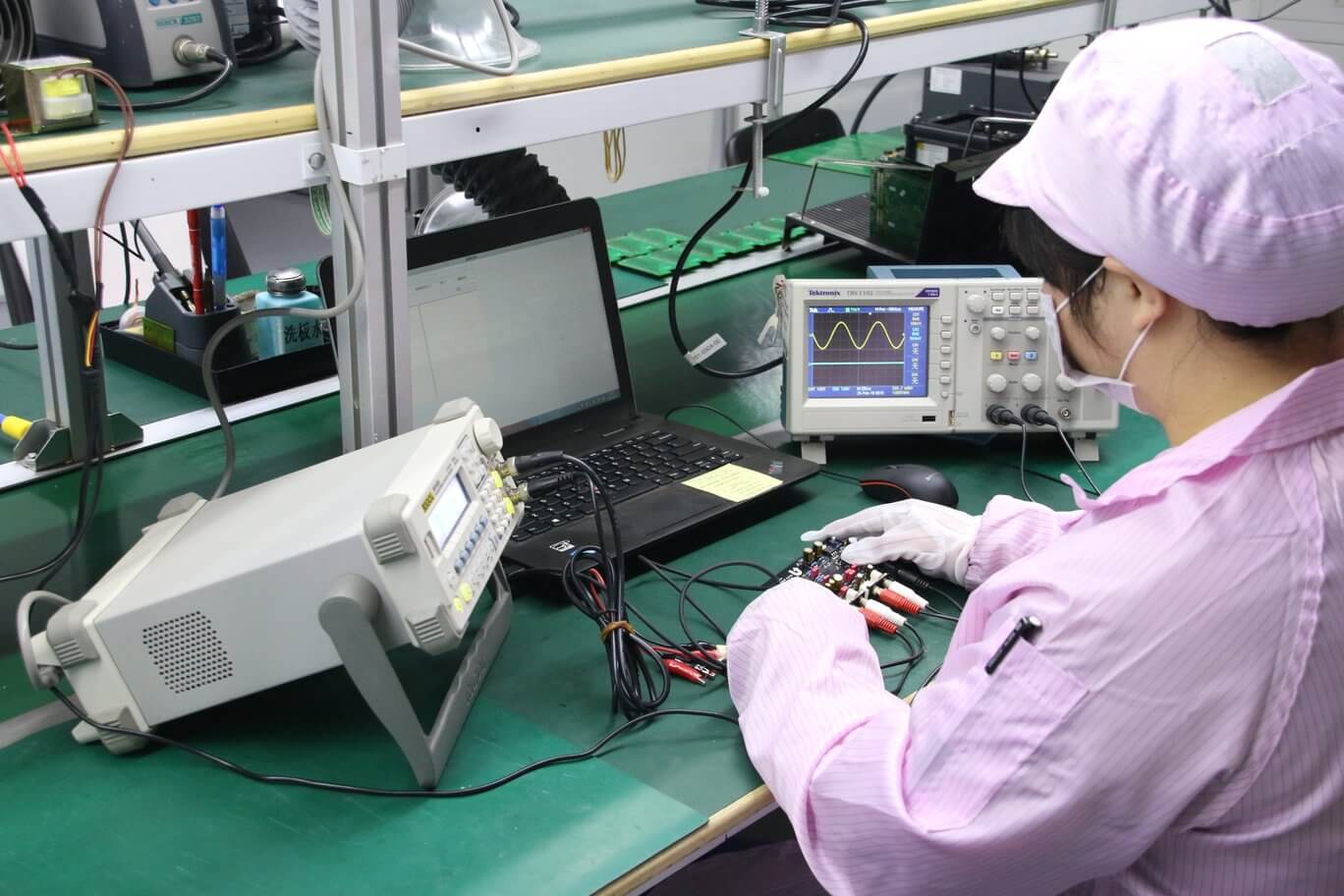
FCT follows four stages: identify acceptance limits, connect and power the DUT, execute the sequence, and link the result to the unit.
Define Functional Test Limits
Acceptance limits are determined by the product specification and remain the same through hardware changes associated with fixturing. The station may apply validated compensation or guard bands for probe contact resistance, harness drop, switching-path resistance, instrument accuracy, and measurement uncertainty. Fixture, station, software, and limit revisions are maintained under version control to produce consistent measurement results against the same product specifications.
Connection and Power-Up
Once the DUT has been properly connected to the station, the operator or station seats the DUT, confirms proper connector orientation, and confirms the load state, grounding, and protection of the DUT. Prior to collecting results, the station identifies both the DUT and firmware version. If the station collects results without the correct revision, it may produce a technically valid measurement against incorrect limits.
Once the DUT is connected and stable, the station collects controlled power measurements for inrush current, rail startup order, reset release, steady-state current, and protection events. If any of these measurements are outside the specification or exceed the limit, the station moves the DUT to a safe state and preserves the failed measurement before terminating or branching from the test sequence.
Functional Test Execution
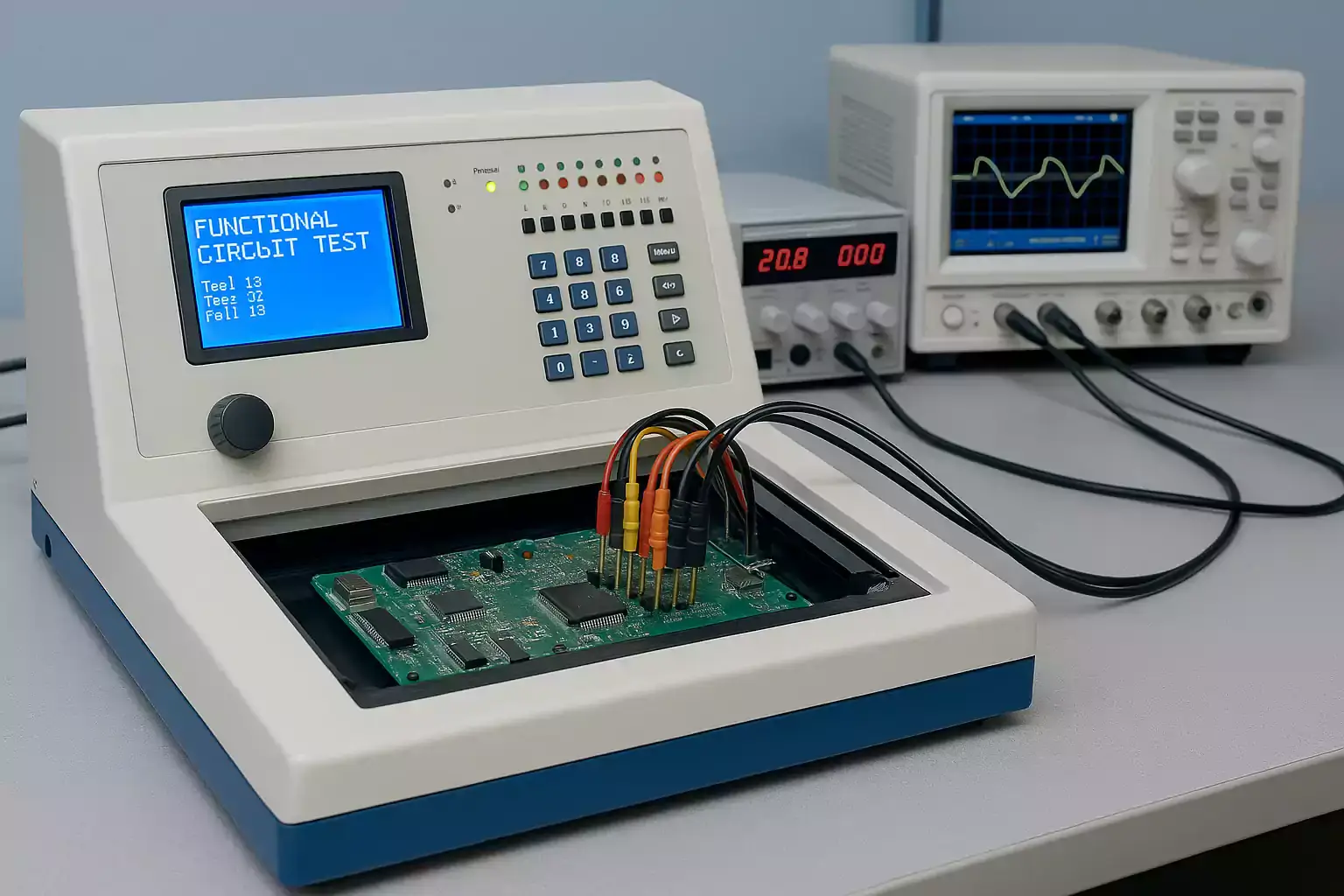
FCT steps are executed using a test program that sends the required signals to the DUT to generate the required measurement results. Each FCT step has a control logic function that determines whether the test continues through the sequence, branches to other tests, retries the FCT step, or terminates the test sequence. Interlocks are used to prevent unsafe power, load, or source combinations.
The measurement capture time depends on when the decision is made. Timing is particularly important when measuring transient states, communication handshakes, boot events, and load changes. If a measurement is captured after the event, it may miss the failure. To ensure that the actual value or state that caused the decision is recorded, the FCT sequence captures that measurement value or state instead of relying on a general note at the end of the test.
Functional Test Results and Traceability
Each measurement is associated with the unit's identity. Each measurement record includes the following information: Board ID/Manufacturing ID, Hardware Design Version, Hardware Revision Date, Software Version, Test Program Version, station ID, Measured Value, Limit Reference, FCT Step Results, Final Test Result Status, Repair Action Taken on Unit, and Retest Status. This history allows engineering departments to compare a returned device against its initial results, differentiating changes caused by a firmware update from those caused by a hardware failure. Furthermore, the history allows the engineering department to track repeated failures by fixture, station, or revision level.
Configure the FCT Sequence
Establishing a sequence for FCT requires the engineering department to create, at a minimum, an input, a state, a load, an expected response, a timing window, and a pass/fail limit for each function controlling unit acceptance. Startup and power-on test functions must be established before any other testing because subsequent test results cannot be trusted until these functions pass the required limits. Additionally, unit protection functions and functions that become inaccessible after final assembly must be established because they cannot be recovered after shipment; the remaining functions follow.
The FCT steps performed during the first pass must be kept separate from the steps undertaken during diagnosis. The first-pass production sequence determines the failed function quickly, preserves the measurement, and stops safely, allowing the same records associated with the original production history to transfer into the diagnosis and retest records. However, a diagnostic test sequence may allow deeper measurements without changing the normal cycle time for every board that passes testing.
The FCT configuration must be version-controlled so that firmware identity, interface setup, loads, limits, retries, stop conditions, and retest rules remain controlled.
PCB Functional Test Equipment
An FCT station is designed to combine repeatable DUT access, controlled power and measurements, signal and load switching, and software control. The FCT station provides a stimulus to the DUT, obtains the response from the DUT, compares the DUT response against the set limit, and records the result. A basic PCBA FCT system could use product connectors, a programmable power supply, a multimeter, and a compact control application. A complex test station could include electronic loads, oscilloscopes, interface or sensor simulators, relay switching networks, interlocks, and a dedicated FCT fixture. Voltage and current range, equipment accuracy, bandwidth, timing, safety considerations, interface coverage, and data capture determine how the equipment performs on the board.
Functional Test Fixtures and DUT Connection
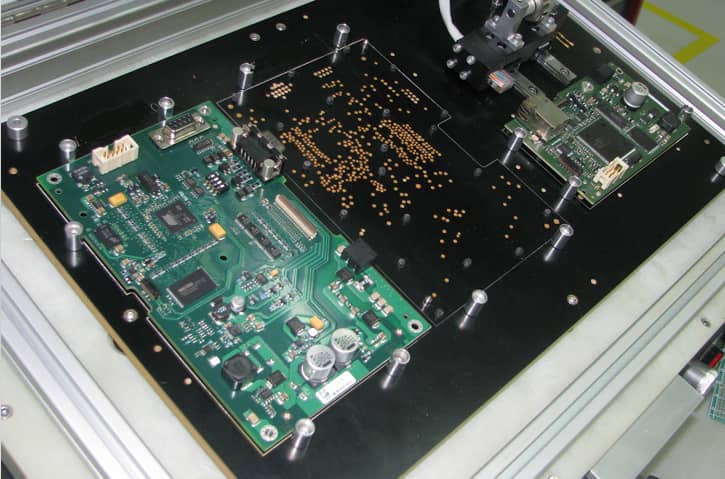
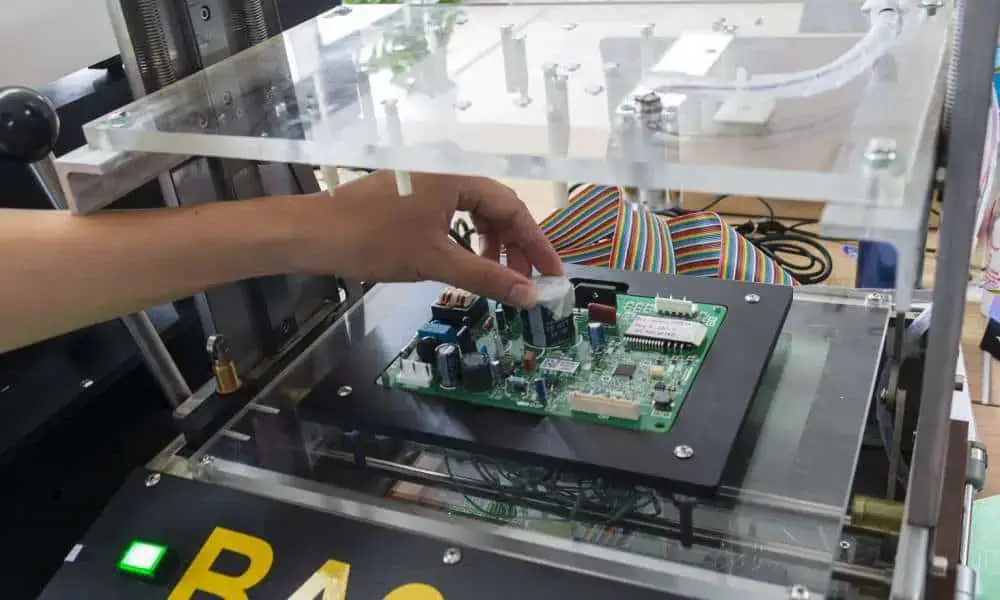
A dedicated fixture is not always necessary for FCT. In many cases, product connectors, edge connectors, or a product harness provide stable and repeatable access to the FCT interface path. When production volume, test-point access, or simultaneous connections make manual cabling slow or inconsistent, a dedicated FCT jig can be advantageous.
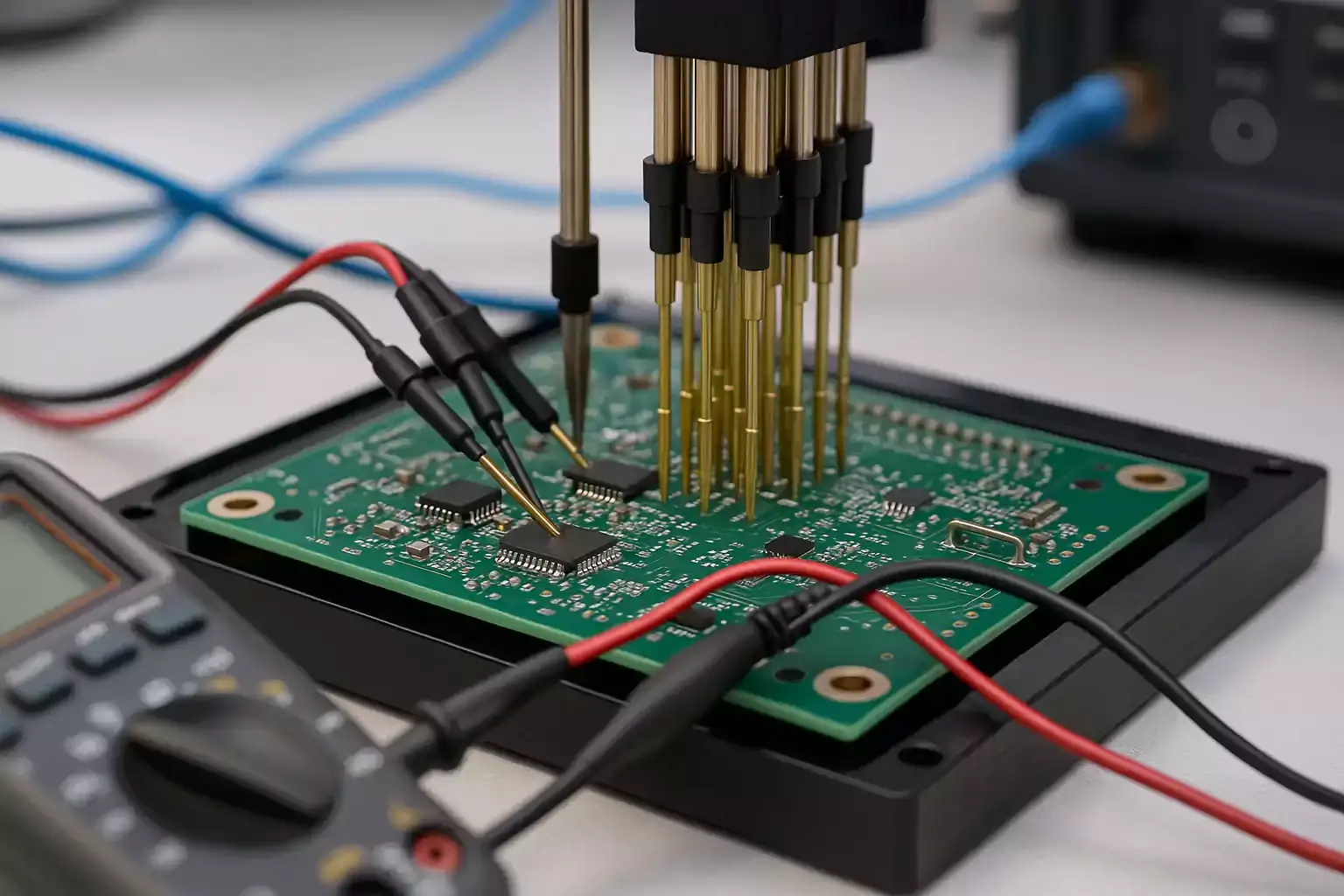
SUGA offers support for customer-specific fixtures, dedicated jigs, specialized probes, pogo-pin beds, product connectors, and harness-based DUT access methods. The mechanical design of the fixture includes features that locate and clamp the board, control connector orientation and installation, allow safe operation through interlock systems that prevent power-up during an unsafe state, and use replaceable contacts to reduce maintenance when a pogo pin or product connector wears down.
Contact quality may affect the test results. Contaminated probes, a warped board, worn contacts, inconsistent board seating, or a loose harness connection can all result in false failures. A combination of contact checks, fixture self-tests, or repeated measurements under the same conditions helps separate access faults from PCBA defects before repair.
Electrical Test Instruments
Programmable power supplies are used to replicate power supply states and simulate power-up ramps. Electronic loads and load switches simulate output demand; the DMM measures static voltage, current, or resistance; oscilloscopes capture sequencing, ripple, transitions, and transient events in the product's electrical output. Signal sources and actuator or sensor simulators reproduce the states expected by the product. Instrument range, accuracy, bandwidth, and settling time must support the acceptance limit. The uncertainty budget includes all significant sources of uncertainty: fixture contact resistance, wiring drop, grounding, switching-path resistance, and the measurement point.
The station's ability to prevent the acceptance of a marginal board or the rejection of a conforming one depends on validated compensation and guard bands.
Control Hardware and Signal Switching
Relay switches, switching hardware, controllers, and PD circuits connect the instrument, load, or interface endpoint to the appropriate DUT node. This layer enables a station to exercise several electrical states in an orderly manner without repeated cable moves.
The design must prevent incompatible states. Interlocks can block a load change while the station is in an unsafe power state. Interlocks may also prevent two sources from driving a single node. Path resistance, channel isolation, and settling time should also be included in the measurement design. When the switching path changes the signal, the program must account for that change.
Test Software and System Integration
The test software synchronizes the station with the DUT and converts measured quantities into step-level results. The test software controls all instruments and interface endpoints, applies limits, manages delays and measurement sequences, records retry attempts, and moves the DUT to a safe state when required.
SUGA can integrate LabVIEW, TestStand, Visual Studio, or similar application environments. The selection of software depends on the control task and the existing system architecture. The software creates one ordered sequence that links each stimulus, measurement, limit, and status to the respective DUT.
How Is an FCT Station Validated?
To validate an FCT station, all aspects of the station must be validated. Fixture mechanics, wiring, instruments, switching devices, software functions, and limits must produce consistent test decisions. All stimuli, measurement channels, branches, retry attempts, stop conditions, interlocks, safe states, and data fields must be verified against an approved test specification.
To confirm that the expected responses are produced, a known-good board is used. Known-failure or seeded-fault conditions confirm that the sequence can detect critical failures and properly record the failed step. Calibrated references for measuring voltage, current, resistance, timing, waveforms, loads, and simulated sensor channels within the ranges specified during production are also part of the validation process.
Measurement-system analysis involves checking repeatability, station-to-station correlation, contact resistance, harness drop, switching-path effects, instrument uncertainty, and guard bands. Revalidation is necessary when a probe is replaced, a harness is repaired, a fixture is modified, an instrument is calibrated, a software release is made, limits are changed, or a DUT is updated. False-failure or no-fault-found trends can identify fixture or station drift before it consumes repair capacity.
PCB Functional Testing Methods
The table groups 12 common FCT categories by their respective applied stimuli and recorded responses. A final production sequence includes only the functions required by the product and adds operating states, timing limits, and fault handling.
| Test function | Applied stimulus or operating state | Recorded response |
|---|---|---|
| Power-On | Controlled power-up and shutdown | Startup state, rail behavior, reset, and shutdown response |
| Power Consumption | Defined supply, load, and operating mode | Current draw and power against the specified limits |
| Digital I/O | Toggle input or issue a digital command | Output state, logic response, and timing |
| Analog I/O | Apply voltage, waveform, or sensor-equivalent input | Measured value, range response, noise, or timing |
| LED Test | Drive the LED or light-pipe output | On/off state, color, and defined function |
| Display Test | Run defined patterns or images | Pixel, backlight, and displayed-state response |
| Audio Test | Play defined tones or audio files | Speaker or audio-jack output response |
| Touch Test | Apply the defined touch input | Touchscreen or touch-sensor event response |
| Keyboard Test | Actuate the specified button or key | Registered input and mapped function |
| Memory Test | Read and write the defined data pattern | Read/write result for RAM, Flash, EEPROM, SD, or specified storage |
| Communication Ports | Send a defined transaction over USB, Ethernet, RS-232, SPI, I2C, CAN, or the specified interface | Identification, protocol response, and data transfer |
| Wireless Test | Establish the defined peer, coupling, or simulated RF condition | Link identification, data exchange, and board-level response |
Manual or Automated Functional Testing?
Manual FCT is appropriate for low-volume production, prototypes, and debugging when engineers require immediate observations of the circuit board, alternative probing methods, or the ability to implement rapid modifications to firmware and sequence logic as they work. The manual method supports adaptable execution and immediate troubleshooting; however, it creates greater reliance on operator actions and manual recording of results.
Automated FCT is appropriate for stable production programs and complex PCBAs where repeated path switching, time-based measurements, interface operations, and automatic data capture are required. Automated execution improves the repeatability of test results, consistency of sequence logic, and control of variation caused by operator actions. SUGA applies the same product pass/fail criteria from engineering validation to automated production as the sequence stabilizes.
Power and I/O Tests
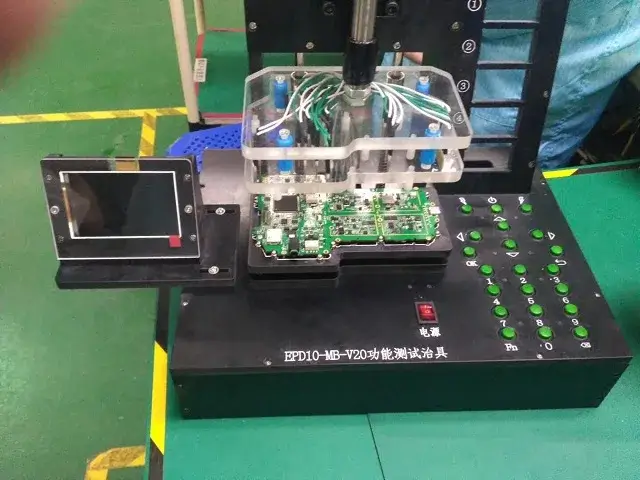
Power and input/output tests separate startup, steady-state, load-transition, and shutdown behavior. The sequential tests include checking rail startup order, inrush current, reset timing, current consumption by operating mode, output drive capability under load, and protection thresholds. Fixture and harness voltage drops are most important for low-voltage or high-current circuits, so the decision uses the validated measurement point and compensation rather than a nominal supply setting.
User Interface and Data Tests
Tests for LEDs and displays can be completed through controlled operator inspection, camera comparison, or optical sensors, while audio tests can use loopback or microphone capture with frequency and level limits. Button and touch inputs must be actuated consistently and verified through mapped-event checks. Tests for memory devices include address accuracy, pattern verification, CRC checks, readback results, and configuration checks to ensure that successful access does not mask corrupted data.
Wired and Wireless Interface Tests
For wired interface testing, FCT checks connection establishment, identification, the required transaction, application response, data integrity, timeout behavior, and the defined error state. When testing wired interfaces, the link indicator alone is not sufficient to determine whether the circuit board can exchange valid data.
For wireless interfaces, Wi-Fi and Bluetooth testing require controlled signal conditions and a controlled peer; NFC and RFID testing require a controlled tag or coupling distance. Testing GPS and GNSS receivers uses a defined antenna path or simulator to record receiver response, data output, or acquisition behavior. These tests confirm that the board function was exercised at the test station; regulatory testing, radiated-performance measurement, and full interoperability testing are conducted separately.
PCB Functional Test Strengths and Limits
FCT confirms the coordinated behavior of the board under production firmware, power states, load conditions, interfaces, and response limits. FCT can identify failures that structural inspection and node-level electrical testing may not identify; however, it does not replace these methods when physical defect localization or component-level coverage is required.
FCT Coverage Conditions
FCT confirms the operation of the functions and conditions included in the approved sequence. Any untested load or timing condition outside the approved test coverage is excluded from the result. When a test step fails, the symptom and operating state may be identified, but the exact network, pin, component, or solder joint may not be determined.
How FCT Complements Other PCB Tests
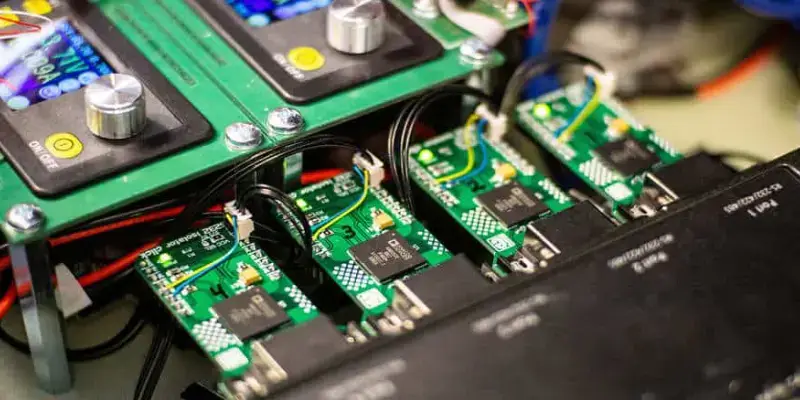
Because each method detects different classes of failures, production test plans integrate multiple test methods. Functional testing adds powered board behavior to the results obtained from assembly inspection and node-level testing without duplicating them.
| Method | Primary purpose | Strongest detection | Main limit |
|---|---|---|---|
| AOI | Visible assembly inspection | Missing, wrong, shifted, or reversed parts; solder appearance | Does not verify hidden joints or powered board operation |
| X-Ray | Hidden-joint imaging | BGA/QFN bridges, opens, voids, and internal solder condition | Imaging does not confirm electrical function |
| ICT | Node and component electrical test | Opens, shorts, component values, and devices on accessible nets | Requires access and may not exercise firmware or system behavior |
| Flying Probe | Fixtureless electrical test | Opens, shorts, and component checks for prototypes and low volume | Slower at volume and limited for full board-level operation |
| FCT | Powered board-level operation | Power, I/O, firmware, interfaces, loads, alarms, and recovery | Fault localization may require structural or node-level testing |
Which Board Failures Can FCT Reveal?
| Observed symptom | Capture before repair | Fault direction | Isolation action |
|---|---|---|---|
| No startup or immediate shutdown | Input current; rail state; reset; protection status | Short or open power path; wrong component; assembly or firmware startup fault | Isolate the unit; preserve the failed state; correlate power data with electrical and structural evidence |
| Abnormal current or power use | Current profile by mode; supply; load state | Short; leakage; incorrect component; disabled power stage; unintended mode | Reproduce the failing mode; compare limits; inspect the affected power path |
| Missing or incorrect output | Commanded input; output voltage/current; timing; load response | Open connection; driver fault; wrong or missing component; control-logic fault | Repeat the command; check the load path; use node-level measurements when needed |
| Analog or digital result outside limits | Stimulus; measured response; timing; noise; channel state | Component tolerance; solder or signal-path issue; calibration or sequence condition | Separate repeatable board failure from fixture or instrument variation |
| Communication, memory, or interface failure | Link state; protocol response; data pattern; version; connector path | Firmware mismatch; interface or memory fault; connection or configuration error | Confirm version and connection; rerun the failed step; branch to hardware or firmware isolation |
| Intermittent or retest-only failure | Contact state; timing; temperature; power cycling; repair history | Fixture contact; marginal connection; timing or thermal sensitivity; incomplete repair | Control the reproduction state; preserve the record; apply the defined retest rule |
Functional Symptoms of Opens and Shorts
The location of an open or short in the power or signal chain determines which symptom is observed first. An open located upstream usually prevents the unit from powering up completely, while an open located downstream would typically drop only one power rail. Additionally, a short on a common ground return would appear as an intermittent loss of communication rather than being reported as an obvious fault. The failed condition is preserved first, and AOI, X-ray, ICT, or node measurements are then used to identify the location of the physical defect.
Power and Signal Faults
The results of the power tests are segregated by operating state. Inrush current, idle current, active-mode current, load-step response, rail sequence, ripple, and shutdown behavior require different timing and limits. Measuring only a single nominal voltage or current value might not capture a transient or mode-specific failure.
The symptoms must be confirmed using the same supply, load, timing, firmware, and measurement point to ensure conformity. Fixture contact checks and instrument self-checks are conducted to separate faults observed at the board level from potential variations in probe contact, wiring, switching, or measurement before the unit is sent for repair.
Firmware and Interface Failures
Firmware and interface failures are re-created using the same board identifier, firmware, bootloader, configuration, connector or peer path, and test-program version. The returned data and logs are used to separate firmware programming failures, version mismatches, CRC or memory failures, physical-layer faults, protocol timeouts, configuration errors, and application-response failures.
From Failure Diagnosis to Retest
The initial failure record includes the symptom, operating condition, measured value, limits, station, fixture, firmware, and test program used at the time of the original failure. Diagnosis adds specific electrical or structural findings and the repair action without replacing the original result.
Following the repair of the unit, the required functional sequence must be repeated against the defined limits. A spot check or review of the repaired node is not sufficient when other functions could have been affected.
The acceptance or rejection of a unit is based on completion of the required retest, not a successful pass of one step. Units with intermittent failures retain their previous failure and repair histories; therefore, a temporary pass does not erase the original failure.
Improve Functional Test Access
DFT allows FCT to contact the DUT repeatably, program it, stimulate critical functions, observe responses, stop safely, and isolate failures without unstable manual probing.
| Access feature | Required design condition | Risk if absent | FCT result affected |
|---|---|---|---|
| Critical power, ground, reset, and signal access | Required nodes are reachable by contact, connector, or defined probe | Unstable lead probing; reduced coverage or diagnosis | Power-up, I/O, and fault isolation |
| Test-point geometry and keep-out | Pad size, spacing, orientation, keep-out, and clearance support repeatable contact | Probe damage; false failures; shorting; fixture complexity | Contact repeatability and maintenance |
| In-system programming path | Programming pins or connectors, boot controls, protection, and version ID are available | Manual or unavailable firmware loading and version control | Programming, boot, and traceability |
| Product connectors and fixture alignment | Locating features, polarity, controlled mating, and interlocks are defined | Misconnection; inconsistent seating; operator variation | DUT connection and production repeatability |
| Scriptable I/O and user functions | A repeatable stimulus and observation path is available | Manual observation limits repeatability and cycle control | Automated functional coverage |
| Safe default and recovery states | Output, load, protection, watchdog, and reset states remain controlled during faults | DUT or station remains unsafe or undefined after a failed step | Failure handling and retest stability |
Where Should Test Points Go?
To create pass/fail evidence or help isolate high-value failure paths, test points should provide access to power, ground, reset, programming, communication, and signal nodes. High-current paths typically use product connectors or dedicated terminals rather than small probe pads. Sensitive analog and high-speed nodes should be accessed without disrupting the signals being measured.
The selected test fixture and probe specifications determine test-pad diameter, center spacing, orientation, keep-out, board support, and probe force. The probe-family name cannot be used to guarantee center pitch. Product connectors or defined probing paths are satisfactory when they provide stable contact, controlled orientation, and a clear diagnostic route.
In-System Firmware Testing
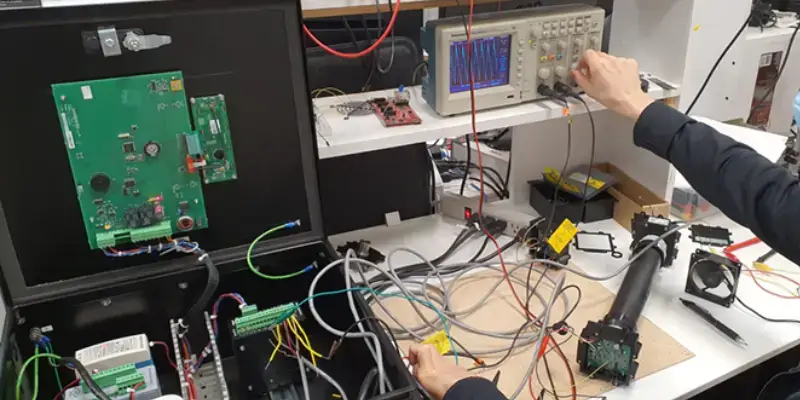
When programming pins or connectors, boot controls, and version identification are available, SUGA can load firmware and verify its identity during the FCT sequence. During this process, the board enters a defined programming state, returns to a known boot state, and provides the responses necessary for verification.
When programming is complete, the station can test successful startup, basic communication, memory, and application operation. The firmware identity is linked directly to the board and functional result, so in the event of a subsequent failure, the exact firmware version used during production can be identified.
DFT Support for Test Automation
Automation requires scriptable inputs, measurable outputs, defined connector orientation, accessible interfaces, and stable fixture alignment. When additional hardware reduces cycle time or variation, camera, optical sensor, audio loopback, actuator, or communication feedback can replace the operator's subjective judgment.
The DUT and station must remain safe after a failed reset, watchdog, output, load, or protection step. Sequence control manages retries, clears latched conditions, restores known conditions, and ensures that previous failure conditions do not affect the retest results.
PCB Functional Test Applications
Application-specific FCT differs in the electrical states being simulated, the relevant failure modes, and the type of response captured. The eight example scenarios below maintain distinct limits, fixture paths, firmware versions, and loading parameters.
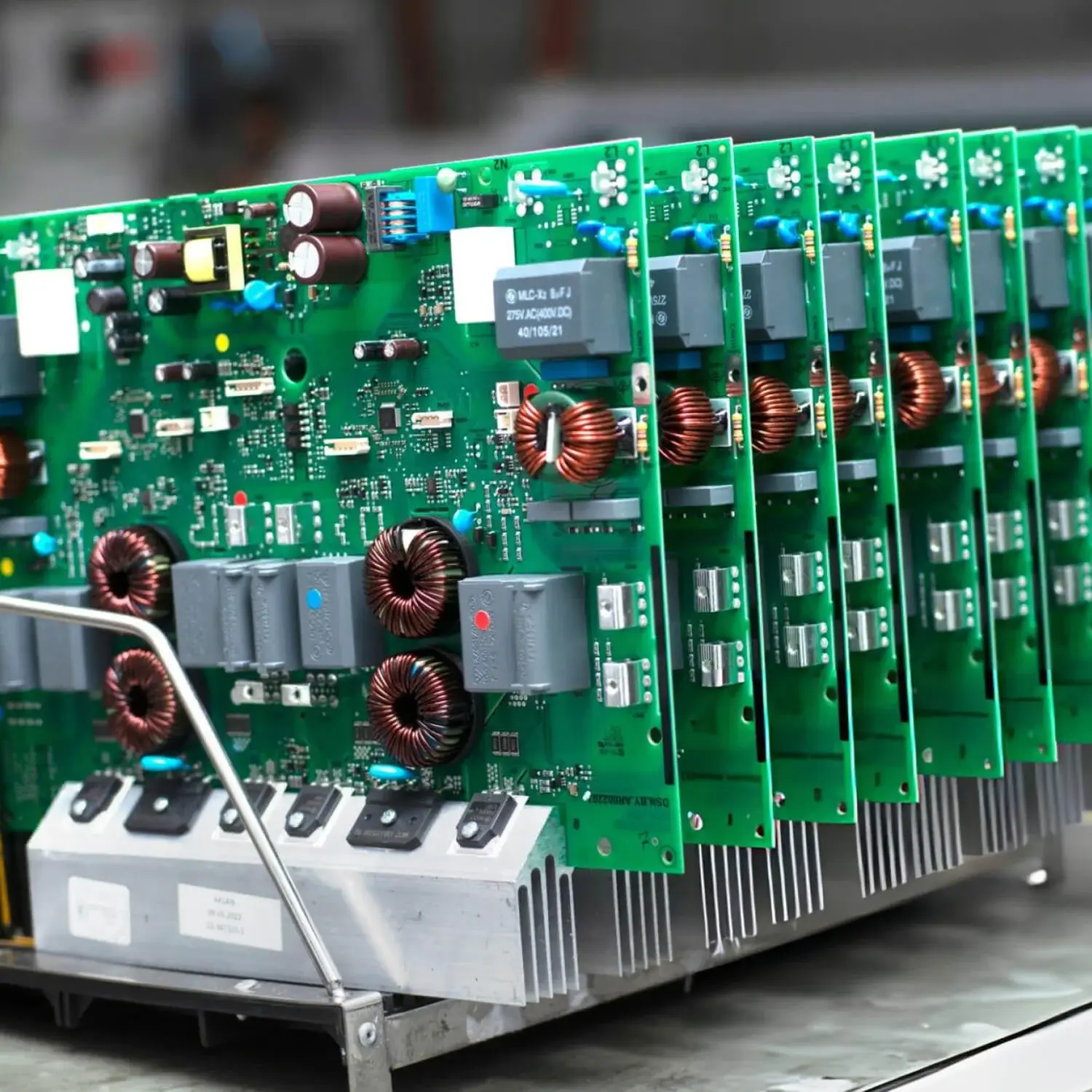
Industrial Control and Electromechanical Boards
For the Industrial Control and Electromechanical FCT application family, SUGA's FCT for a 24 V control board can emulate logic input signals, 4–20 mA analog signals, interlocks, relays, valves, contactors, motor-equivalent loads, and RS-485, CAN, Ethernet, or product-defined communications. One risk is that a driver may pass a cold, no-load check but become degraded or fall out of specification under its actual coil load and duty cycle. FCT can also capture input-threshold errors, missing flyback protection, improper I/O mapping, and unsafe recovery after interlock or watchdog events. The test records startup sequence, I/O state, loaded output, messaging, alarms, and reset operation.
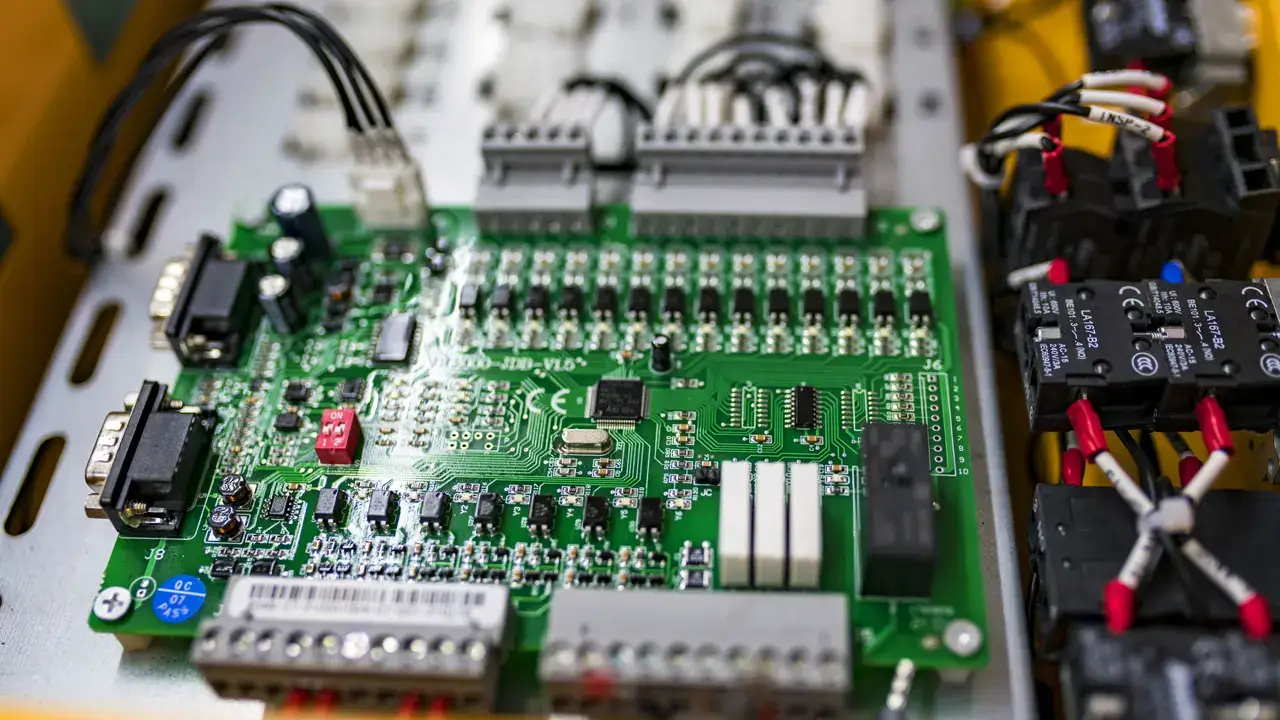
Vehicle and Off-Highway Control Boards
Vehicle, agricultural, and off-highway boards require evaluation of ignition states, battery voltage levels, crank or dropout conditions, wake and sleep transitions, sensor states, switch states, and actuator states. SUGA's FCT can test CAN and LIN output-driver performance, diagnostic messages, protection behavior under defined load conditions, quiescent current after entry into sleep mode, and recovery after power interruption. A costly failure is typically not a driver fault, but a board that wakes on the wrong CAN frame or does not fully enter sleep mode, continuously depleting the battery over several days rather than a few seconds. This makes wake-source and quiescent-current checks more important than output-load testing in this application.
Aerospace and Navigation Control Electronics
Most aerospace, defense, and navigation PCBAs require controlled power sequencing, sensor or positioning inputs, data buses, control outputs, alarms, redundant-path checks, and hardware and firmware identification. The sequence captures deterministic timing, bus response, fail-state behavior, stored configuration, and recovery from an interrupted power or communication condition. These products are susceptible to two primary risks: a revision mismatch may produce a valid reading against the wrong configuration, and testing a redundant channel individually does not guarantee that the system will function correctly in failover mode once the primary path is removed.
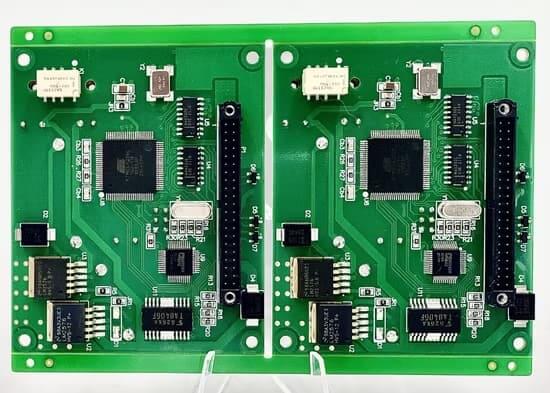
Medical Monitoring Electronics
Medical-monitoring and patient-monitoring PCBAs use calibrated signal or sensor simulators to test acquisition channels, alarm thresholds and latching, displays, keys, communication capabilities, battery changeover, charging states, and fault indications. An alarm that clears itself without required operator acknowledgement is a life-safety failure rather than a cosmetic failure, so the latching function requires a separate verification step instead of relying on a general pass/fail screen check. The records link the tested input conditions to the channel results, alarm response, firmware, and unit identity.
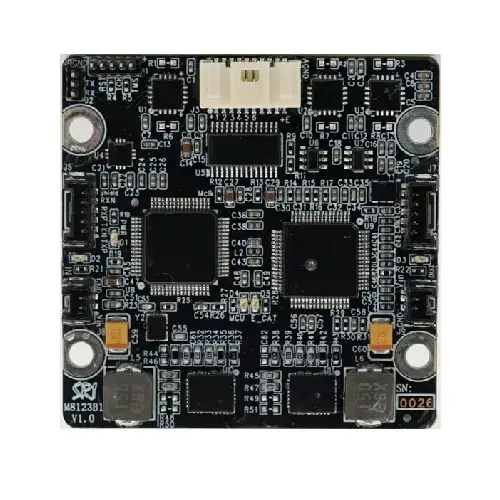
Instrumentation and Data-Acquisition Boards
Known calibrated inputs are required to test analog front ends, ADCs, DACs, multiplexers, isolated channels, and digital interfaces. FCT checks gain, offset, range switching, channel-to-channel consistency, calibration-data access, display, and communication. An unstable reference or ungrounded test lead may resemble a defective board at the ADC. Consequently, the station calibration record for reference-source accuracy, settling time, grounding, and thermal drift is tied directly to the measured channel and range rather than assumed to be stable.
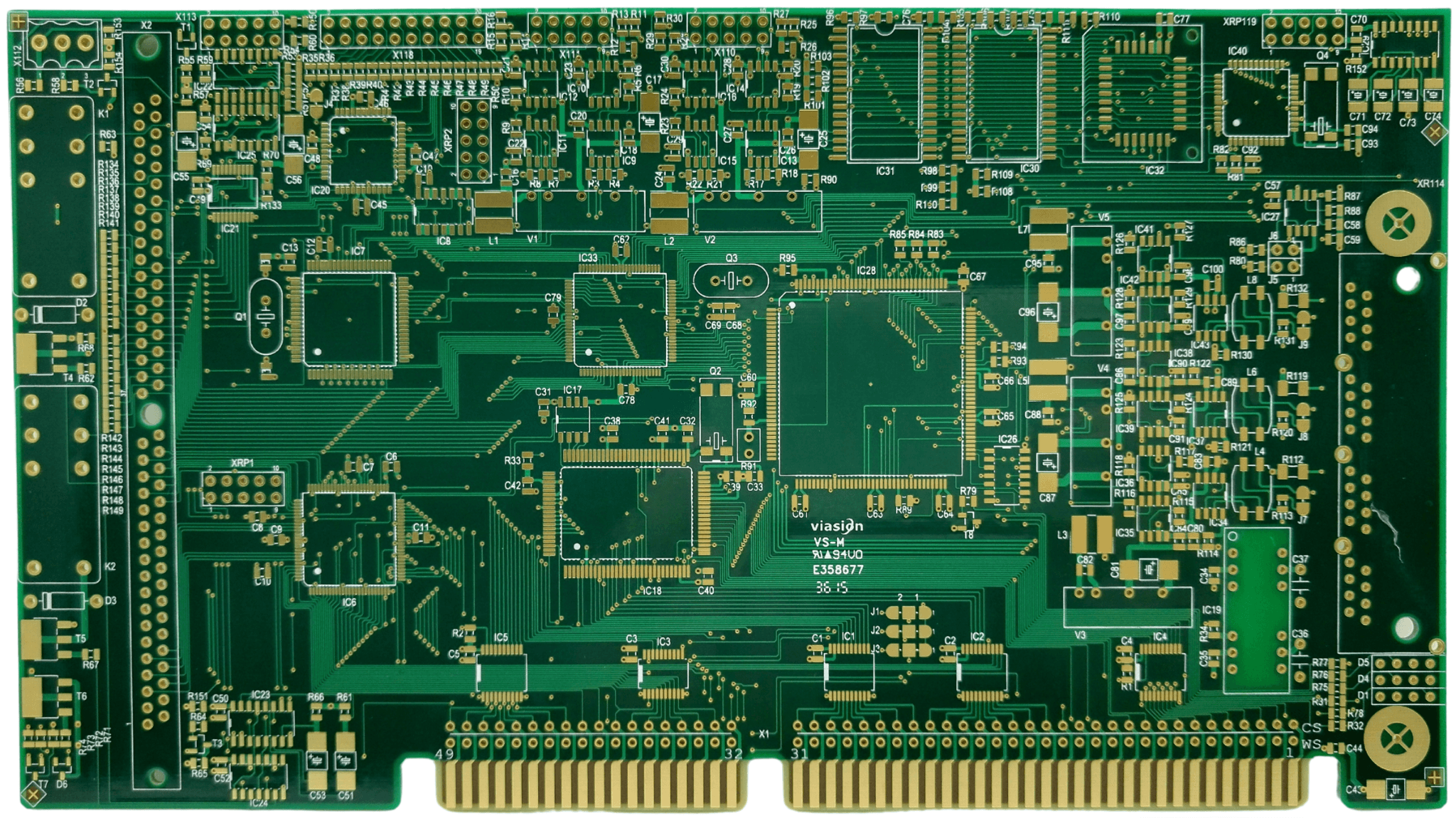
Network and Connected Sensor Devices
SUGA can load production firmware and test Ethernet, USB, UART, storage, indicators, displays, sensor inputs, and wireless links. Under power-save conditions, a board can associate with a Wi-Fi or Bluetooth peer but still fail to transmit a valid payload if the timing is incorrect. The sequence verifies actual data transfer and application response rather than only detecting connectivity. Controlled peers, coupling or RF conditions, sleep-current timing, network reconnection, firmware identity, and wake-source behavior expose issues that a typical connectivity test cannot identify.
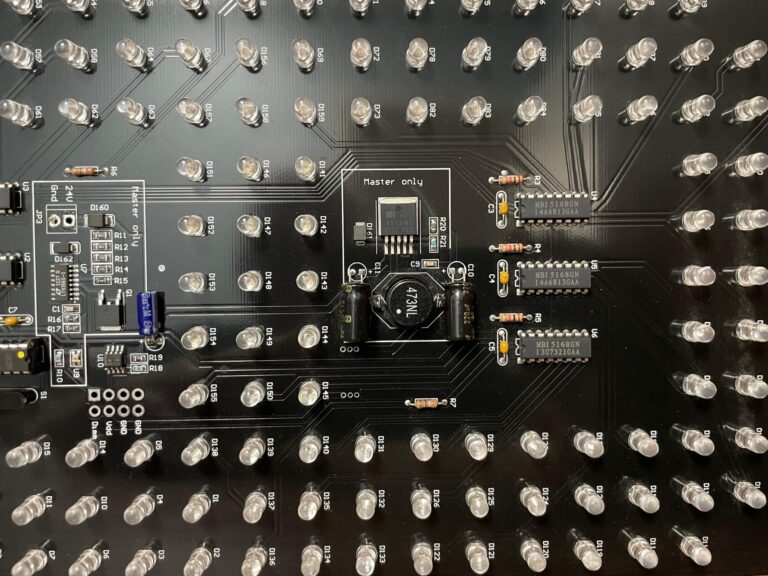
Power Conversion and Lighting Controls
Power conversion and lighting controls require controlled operating states for startup, output regulation, current or voltage feedback, load-step response, protection thresholds, shutdown, and restart. FCT tests these states to ensure that the board meets its specifications at the intended operating points. A board may pass under no-load conditions but fail under demand. A board may also have properly regulated output while its dimming or fault-latch circuitry is defective; a protection trip may appear to recover even when the trip threshold was never measured.
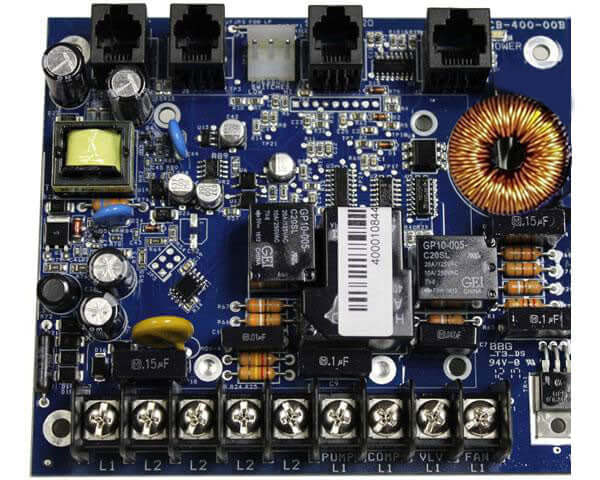
Marine and Oilfield Monitoring Controls
Marine and oilfield monitoring PCBAs can accept simulated pressure, temperature, flow, position, 4–20 mA, and switch inputs. FCT checks sensing, isolated I/O, relay or actuator outputs, alarms, data logging, remote communications, power-loss recovery, and watchdog restart. A board may continue operating through a brownout but still corrupt logged data or miss an alarm. Open-sensor, short-sensor, brownout, communication-loss, and latched-alarm states are therefore important for verifying field-fault behavior.
What Affects FCT Cost and Test Time?
FCT cost consists of two distinct elements: one-time station development and recurring unit testing. Fixture mechanics, software, simulated loads, instrumentation, programming, and validation drive station development; sequence duration, waits, manual processes, retries, diagnosis, and retest affect capacity.
| Engineering driver | Station-development load | Unit-cycle effect | Control decision |
|---|---|---|---|
| Fixture and DUT access | Mechanics; probes; connectors; interlocks; replaceable contacts | Stable seating cuts setup and false-failure handling | Match fixture to access, change rate, and repetition |
| Switching and control | Channels; load paths; protection; interface switching | Cuts reconnection and sequence variation | Automate repeated changes that drive time or error |
| Instruments and simulated loads | Range; accuracy; bandwidth; channels; application simulation | Parallel capture shortens execution; settling extends it | Specify capability from limits and response timing |
| Software and sequence | Sequence depth; branching; interface control; logging; fault handling | Automation cuts repeated operator actions | Stabilize functions and limits before scaling |
| Coverage and operating states | Functions; limits; states; exception paths | More steps, loads, and waits increase cycle time | Remove redundancy, not required evidence |
| Firmware and communication waits | Programming and interface integration | Boot, retry, timeout, and protocol time add directly | Control versions, connections, and timeout rules |
| Manual interaction | Lower initial automation for changing sequences | Buttons, displays, audio, and cable moves add time | Keep manual work for changing prototypes; automate stable actions |
| Diagnosis, repair, and retest | Diagnostic logic; data access; failure handling | Investigation, repair, and retest consume capacity | Separate first-pass time from failure-handling capacity |
| Volume and sequence stability | Spreads fixture and software development | Can justify automation and parallelization | Compare lifetime volume with design and firmware change rate |
FCT Development Cost Drivers
A major part of FCT development is the validation and revalidation effort, not the fixture, instrument, or software list itself. Higher volume spreads mechanical and software development across more units, but hardware or firmware revisions reset part of the validation work regardless of how many units were previously shipped.
Per-Board Test Time Drivers
A major source of per-board test time is communication timeouts and settling delays because they are set by firmware or protocol behavior rather than station design. First-pass time determines nominal FCT throughput; failure diagnosis, repair, and full retest consume separate capacity. Parallel fixtures or stations help only when shared instruments, power, data paths, or operator actions do not become the next bottleneck.
PCB Functional Test FAQ
FCT functions, operating conditions, measurement limits, firmware state, and result fields are defined by the product and production test specifications. Assembly acceptability and soldered-assembly process requirements are addressed by IPC-A-610J and J-STD-001J. The development and implementation of a quality-management system are addressed by ISO 9001:2015 with Amendment 1:2024 and AS9100D. Global or regional product safety, regulatory, and sector-specific standards add product-specific test requirements.
Yes. SUGA can add controlled subassembly or functional checks once power, firmware, interfaces, loads, and observable responses are available. Normally, full-board FCT takes place after final assembly, required programming, and full DUT connection because that state exposes the coordinated board behavior used for final acceptance.
To build the FCT sequence, provide the product and production test specifications, schematics and interface data, approved operating states, simulated or actual input loads, expected outputs and limits, firmware files and programming method, connector and test-point information, required manual actions, board and revision identification, golden samples if available, and required result fields. Engineering converts these inputs into measurable steps, version-controlled limits, safe stop conditions, repair decision, and retest rules.