Upload BOM & Gerber
-
Mobile: +86 13312967631
-
Email: sales@sugaintl.com
PCB Supply Chain Resilience
OEM Evaluation of EMS Supply Risk
Parts currently on hand do not assure original equipment manufacturer (OEM) teams that assembly can begin while bill of materials (BOM) responsibility, approved vendor list (AVL) approval, printed circuit board (PCB) revisions, or required shipment records remain unresolved. Supply chain resilience means that OEM teams can define responsibility for supplied materials, identify risky BOM lines, confirm approved sources, and identify issues that stop assembly before ordering or assembly begins.
PCB Supply Chain Risks That Block Assembly
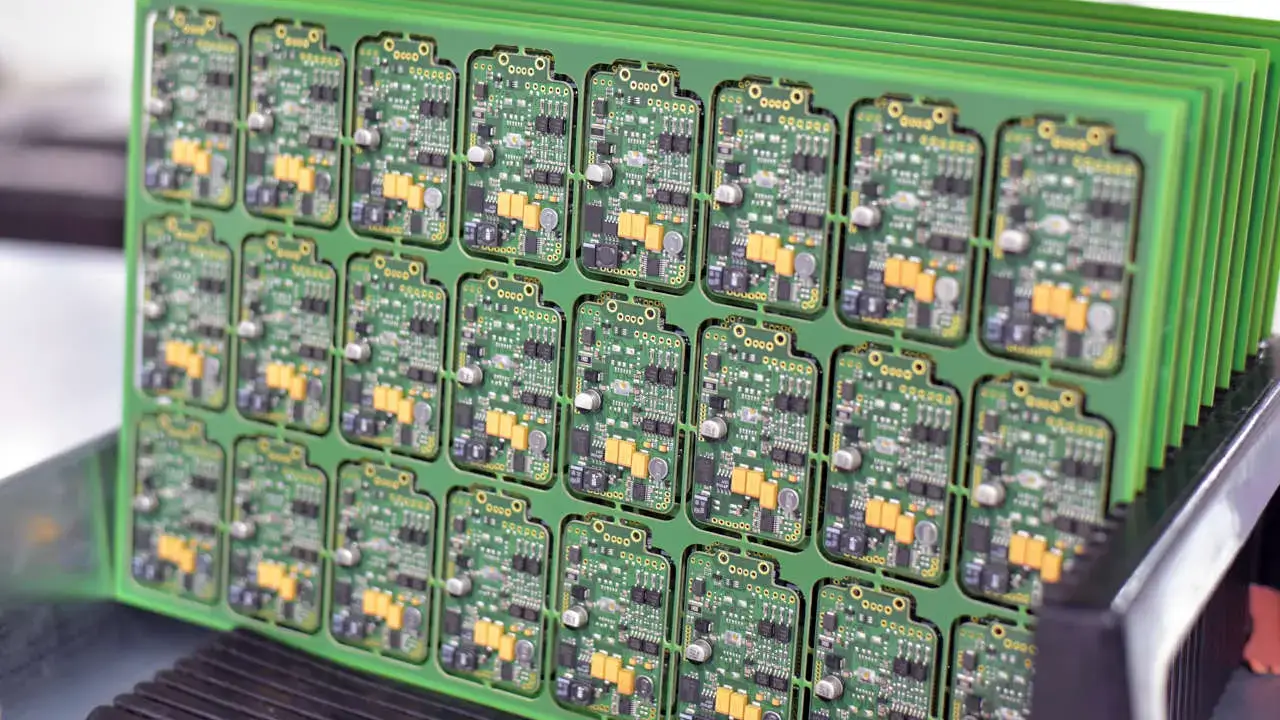
The PCB supply chain becomes a risk when an unresolved input can halt purchasing, material preparation, placement, testing, or shipment. Part availability is not the only supply-chain risk. If BOM responsibility remains undefined, the proposed vendor conflicts with the approved vendor list, the latest PCB revision is unreleased, or shipment records are unavailable, the assembly can still be interrupted.
Unresolved Inputs That Stop a PCB Assembly Build
When looking at the PCB assembly (PCBA) supply chain, having a resilient supply chain means that OEM teams should be able to provide visibility of all these potential stop points and make a decision on them before placing an order. OEM teams need to be aware of which materials are EMS-supplied, which materials are consigned by the OEM, which lines in the BOM will require part-change approval, what bare-board inputs could impact placement or solderability, and what declarations or trace notes are required for the OEM to ship to their market.
Supply Items Must Connect to Assembly Impact
When developing a PCB assembly supply chain map, all supply items must connect to an assembly impact. This means establishing five connections: (1) can the part be procured, (2) is the source approved, (3) can the board enter placement, (4) will a change in part affect test or firmware, and (5) will the shipment be released with the expected verification evidence?
Material Ownership Must Be Assigned Before Buying Starts
Before material is acquired through a BOM, identify the responsible party for each line. At the time of material acquisition, the two major risks are whether the EMS supplier or OEM can locate stock and who has authority to buy, replace, hold, reject, or reserve the material when the source cannot support the order.
Material responsibility must be assigned before any material is purchased because BOMs can have multiple supply models. Many parts may be acquired through EMS sourcing, customer consignment, or a nominated supplier, while others may require a part-change or lifetime-procurement decision. For the order to proceed, each responsibility line must be identified; otherwise, the order may face duplicate purchasing, missing controlled parts, receiving disputes, or delays in material preparation.

Material Ownership and Supply Responsibility Map
| Supply Model | Material Responsibility | Required Material Inputs | Supply Chain Risk | Customer Action | Commercial and Production Result |
|---|---|---|---|---|---|
| Turnkey sourcing | EMS-sourced material; BOM provided in quote package | BOM; AVL; manufacturer part number (MPN) list; target market | Unlisted source; long-lead exposure; pricing change | Preferred brands; restricted suppliers; sourcing rules | Pricing and component staging follow the AVL |
| Consigned material | Consigned components or boards | Consignment manifest; date-code logs; counted material | Short ship; wrong MPN; mixed revision; missing lot details | Additional material or split-build decision | Receiving discrepancy resolved before build start |
| Hybrid material model | Owner-marked BOM lines plus EMS-sourced balance | BOM ownership map; AVL split; consigned item list | Ownership gap; duplicate buy; missing controlled item | Owner named for each affected BOM line | Purchasing starts after BOM ownership alignment |
| Customer-nominated supplier only | Customer-nominated source | AVL; supplier qualification document; sourcing instruction | Non-approved substitute; quote mismatch; audit issue | Supplier change or original supplier instruction | Purchase from a new source excluded until supplier is accepted |
| EMS-proposed alternate | New MPN proposed for customer review | Datasheet; package match; rating match; customer acceptance note | Form, fit, function mismatch; test or qualification change | Accept, reject, or request engineering check | New material prepared after customer acceptance |
| End-of-life (EOL) lifetime procurement directive | Owner-held stock for EOL or long-life products | EOL notice; last-time-buy notice; storage condition; ownership declaration | Stock aging; storage mismatch; insufficient lifetime quantity | Lifetime quantity and storage responsibility | Build continuity depends on available owner-held stock |
The practical check is whether purchasing knows who owns each risk before money is spent. If there are any consigned lines, the EMS supplier must be notified and must not replace those lines without consultation with the owner of the item. All EMS-sourced lines must have the AVL as well as restricted-source rules visible on the BOM for all parties to see. If the customer has mandated a specific source, until notification of change of that source is received from the customer in writing, all alternate sources should be excluded from use.
Turnkey and Consigned Material Responsibilities
Turnkey and consigned material represent different levels of supply risk, but they can appear in the same assembly. A turnkey assembly means that the EMS supplier purchases components against the BOM and AVL, so prices and material preparation are affected by source restrictions and availability. In a consigned material environment, the OEM material team provides the material for receiving and acceptance. The first check for consigned material is receiving accuracy, while the next action for alternate or replacement material depends on whether the received material matches the BOM and manifest.
When controlled parts are included, the consigned material process requires a manifest, the quantity counted, MPN match, revision match, and date-code information to be provided when receiving. If the received material does not match the BOM or manifest, the next step for how to address the situation is not automatically an alternate or replacement material source. The customer must determine whether to request that replacement material be sent, whether they will allow for the split of a build, or whether they need to revise the material plan.
Hybrid BOM Ownership and Duplicate-Buy Risk
Hybrid sourcing is typically where the supply responsibility for a hybrid BOM becomes unclear. A hybrid BOM may contain customer-owned integrated circuits (ICs), EMS-sourced passives, customer-nominated connectors, and EOL stock for future builds. If there is no BOM ownership, the same part may be bought twice, not bought, or held due to a lack of authority to approve changes. The safest method is to mark responsibility for each BOM line before sourcing begins. This provides clarity on customer-supplied and EMS-sourced lines, restricted suppliers, and lines that need customer approval before a replacement is purchased.
Customer-Nominated Sources and Alternate Component Sourcing
A BOM line may have been nominated by a customer, but this does not mean that alternate component sourcing is accepted for that part if it is only a customer-nominated part. When sourcing BOM lines that are nominated by a customer through a distributor, supplier, or manufacturer, EMS suppliers should not assume all available stock in the supply chain is acceptable. The EMS supplier must continue to confirm whether the customer maintains the original source, approves a new alternate source, or agrees to allow a specified review time for the new alternate source.
BOM Risk Signals That Change Sourcing Work
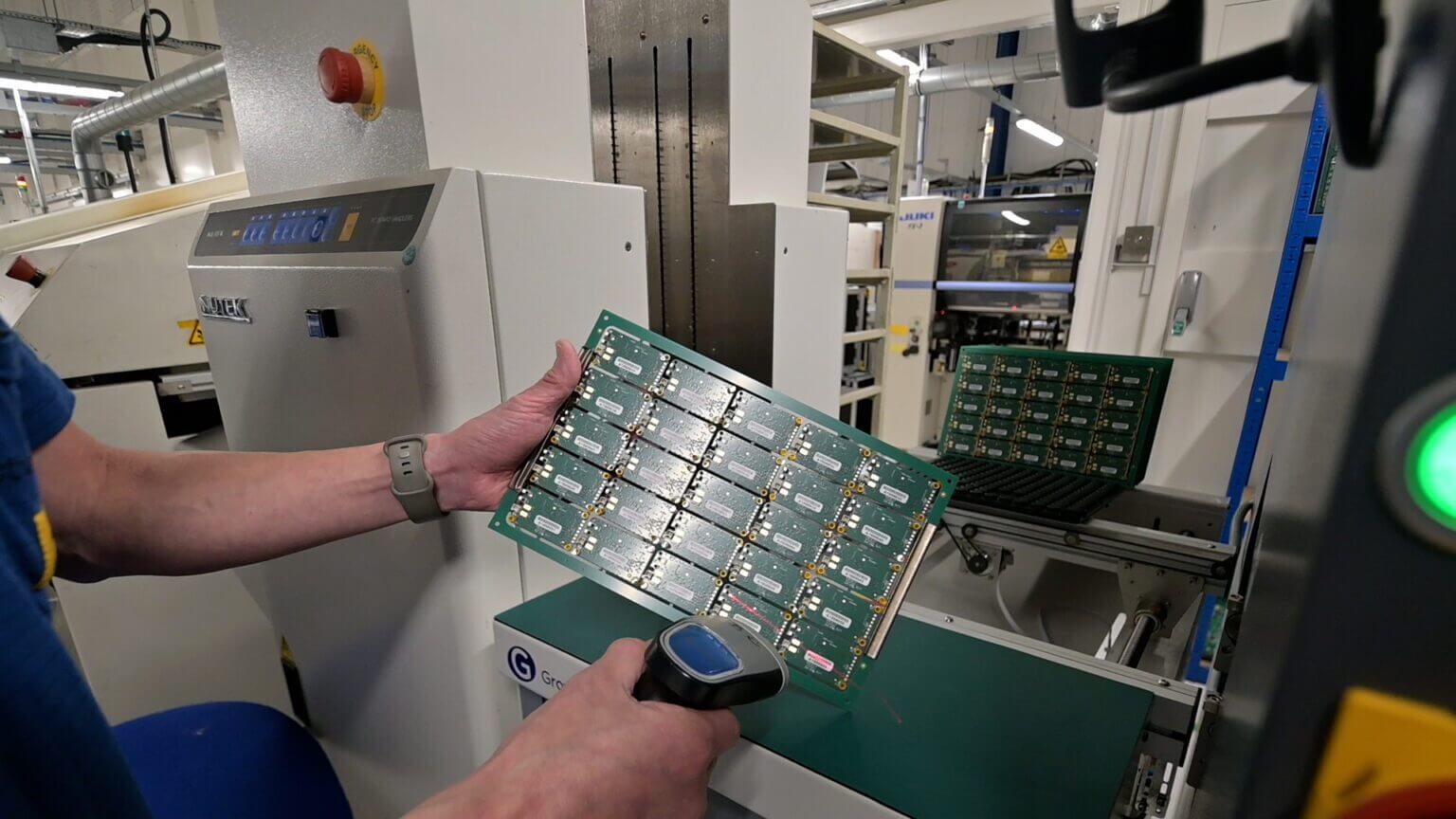
A BOM line is not low risk just because an MPN exists and stock is available. In PCB and PCBA component sourcing, BOM risk management must separate ordinary purchasing work from BOM lines linked to placement delays, blocked material preparation, or customer action before purchasing an alternate part. The risk of each BOM line also changes with moisture exposure or handling requirements, MSL sensitivity, PCN or EOL notices, restricted-substance declarations, and PCB assembly conditions. An approved source alone does not confirm that the alternate can be sourced, handled, assembled, or documented under the approved order conditions.
BOM Risk Signals and Alternate Readiness
| BOM Item | Risk Signal | BOM / AVL Input | Technical Check | Customer Action | Production Status |
|---|---|---|---|---|---|
| ICs with one source | One named MPN is listed, with no approved alternate supplier in the BOM or AVL. | BOM or AVL. | Package, rating, firmware, or qualification impact when applicable. | — | — |
| Long lead times on microcontroller units (MCUs) or Power ICs | Allocation notice or limited stock available through an approved channel. | Quote and lifecycle data for the item. | Electrical and thermal ratings; firmware dependency. | Reserve stock against forecast or keep the original supply source. | — |
| Field-programmable gate arrays (FPGAs), processors, and high-value ICs | Capacity constraints or package-specific scarcity. | Quoted value, lifecycle data, and production priority. | — | Allocation decision or redesign study. | Affected assemblies will be split from available builds. |
| Custom connectors and magnetics | Proprietary tooling or a single approved drawing may limit available sources. | Manufacturer quote; tooling ownership declaration if applicable. | Approved drawing supports any substitution. | — | Wait for released drawing before substitution. |
| Legacy or EOL parts | Customers will receive either an EOL notice or a notice that stock from all approved sources is declining. | BOM includes product change notification (PCN), EOL notice, or last-time-buy notice. | Substitute verified for drop-in match, qualification need, or service-life requirement. | Lifetime quantity, redesign path, or approved substitute. | Future builds follow EOL procurement or redesign plan. |
| MSL-Sensitive Surface-Mount Devices (SMDs) | Moisture Sensitivity Level (MSL) classification can place a part at high risk for moisture exposure during transport or storage. | BOM identifies MSL-sensitive parts; dry-pack and floor-life records remain receiving or process records. | Handling procedure and dry-pack control before production. | — | — |
| RoHS and REACH compliance regulations | Failure to provide such documentation may result in shipment evidence being incomplete until compliance documentation is provided. | RoHS declaration, REACH declaration and material declaration. | Required declaration available for the applicable material or order. | Documentation must be provided before the shipment can be released. | Shipment held pending compliance documentation. |
| Commodity passive parts without an approved vendor | Supplier is not listed on the AVL. | BOM identifies package and rating data; quote shows available stock but does not approve the source. | Package and rating data for the part. | The BOM must be updated when the supplier appears on the AVL. | — |
Single-Source ICs and PCB Component Shortage Risk
Single-source ICs and PCB component shortage risk require early identification, especially when an electronic component shortage affects approved channels, firmware dependencies, or release timing. If one named MPN has no accepted second source, the sourcing team may be able to locate stock but may still have challenges fulfilling the order due to AVL rules, firmware dependencies, and approved-channel restrictions.
OEM teams must make the decision of whether to maintain the original MPN, reserve stock against forecast demand, examine same-family alternatives, or segregate the affected assemblies from available builds. Without a decision on this topic, the offered quote can appear complete; however, the critical line within the BOM may not be resolved.
High-Value ICs, FPGAs, and Custom Parts
Review within this category should treat high-value ICs, FPGAs, processors, custom connectors, and magnetics as build-critical rather than typical line items. This type of component often has packaging-imposed constraints, dependencies on firmware and testing, drawing ownership, mating tolerances, height limitations, and tooling control.
EOL, MSL, and Compliance-Sensitive Parts
EOL components, components having an MSL classification, or components restricted under RoHS or REACH regulations all represent different types of risk in the supply chain. An EOL component may require lifetime procurement, or a redesign path may be needed. A moisture-sensitive SMD may require MSL classification, dry-pack condition, strict floor-life management, or holding status before staging. A RoHS or REACH-sensitive component may block shipment evidence if the component is not properly covered by the relevant declaration with respect to the purchase.
Customers may have to select lifetime stock on the component, control the handling of the item, obtain a redesigned component, or use a vendor that has the required declaration. When this selection process is incomplete, the BOM could appear to be available for purchase even though the actual process of component staging, assembly release, or shipment review remains incomplete.
Approved Alternates Still Need an AVL Source
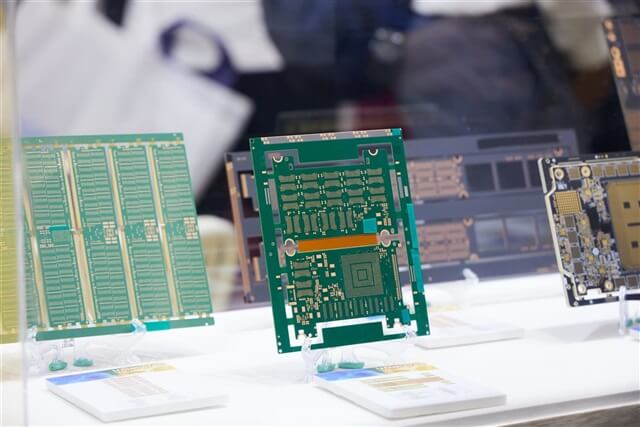
An alternate MPN may be technically feasible for a part to fit the design criteria but may still be blocked for purchase. In PCB assembly sourcing, there are two separate checks: equivalency, whether a part fits the design intent, and source approval, whether a supplier, distributor, or channel is authorized under the AVL.
This distinction matters when a component is under shortage pressure, undergoing a lifecycle change, or designated as a controlled source by a customer. The part being evaluated may match the approved package type and size, electrical and mechanical characteristics, and functional characteristics. However, if the AVL does not approve the identified source, or the selected part affects firmware, test limits, or the qualification status of the order, the source can remain unavailable. If the team treats “alternate source accepted” as “ready for purchase,” two supplier quotes can appear equal even though they are not comparable.
Alternate MPN Acceptance and Source Approval
Approval should indicate what has been accepted: (a) MPN, (b) source, or (c) both. An alternate MPN option from the same family could appear to be a safe option based on a review of the datasheet; however, the purchasing process will still require approval from the AVL-listed supplier or an authorized channel. If an alternate MPN is accepted for sourcing but not accompanied by source approval, the sourcing team will have to confirm if an additional approval is necessary before the purchasing decisions are finalized.
AVL-Listed Source Control
AVL management in PCB assembly is not only a list of approved parts; it can also contain restrictions for the manufacturers, distributors, brokers, and regional sources. In the event that the listed part cannot be obtained from the approved source, the process to change to a different source must follow the OEM team’s guidelines. The OEM team will have to determine whether they will retain the source restriction, approve another source from the AVL, or review the alternate MPN as an alternative.
This is where two supplier quotes can differ. One supplier quote may use approved-channel stock, while the second supplier quote may use stock that has yet to receive approval but lists it as "available." If no AVL guideline exists, one could assume the lower material price of the second quote reflects the same scope; this is not true because the scope does not reflect the same coverage as the first quote.
Bare-Board Inputs Can Delay Assembly Before Placement
Bare-Board Supply Dependencies Before Assembly
| PCB Supply Object | Required Board Input | Supply Issue | Assembly Dependency | Released Requirement |
|---|---|---|---|---|
| PCB revision | Gerber file and fabrication drawing. | Gerber and fabrication drawing do not point to the same released revision. | — | Current board documents for the released revision. |
| Fabrication drawing | Fabrication drawing, drill file, and board requirements. | Material, finish, stackup, and tolerance notes included on the fabrication drawing. | Establish the specifications for a PCB. | Released fabrication drawing, drill file, and board requirements. |
| Stackup or laminate | Stackup drawing, laminate requirement, and material notes. | Laminate not locked or substitute laminate not approved. | Warpage, impedance, or laminate qualification risk. | Released laminate or stackup requirement. |
| Surface finish | Finish defined on the fabrication drawing; shelf-life note; Certificate of Conformance (CoC) as appropriate. | Finish that must be proved by certification. | — | CoC as appropriate. |
| Controlled impedance | Impedance target for the stackup drawing and net requirement. | Impedance marked on stackup or trace drawings. | — | Impedance target for the stackup drawing and net requirement. |
| UL marking or laminate flammability requirement | Records that identify compliance standards; CoC if required. | UL marking or laminate flammability evidence required by the drawing or specification. | — | Records support the specified UL or flammability requirement; CoC if required. |
| Bare-board supplier change | Documentation required. | Documentation is missing or does not arrive in a timely manner. | Delay of approval for that supplier. | Bare-board supplier approval should be based on the required documentation. |
Any unresolved Gerber mismatch, finish change, laminate substitution, or supplier change should be resolved before placement. Component stock does not resolve board-side release gaps, which can affect stencil setup, solderability, impedance review, test alignment, and shipment records.
Gerber and Drawing Revision Mismatch
The Gerber package, fabrication drawing, and assembly drawing must match the same revision that has been released for the board. If the revision for the Gerber file does not match the revision for the assembly instructions, the issue is not only documentation cleanup; the mismatched version of the board could create problems with placement, testing, polarity, or mechanical fit once the components are prepared.
The set of files accompanying the board should include the active revision of the Gerber files, any fabrication and assembly drawings, and any revision notes that may affect placement, testing, or customer acceptance before assembly is performed.

Stackup, Laminate, and Finish Changes
Changes in the stackup, laminate, or finish should occur during the board release process and should not be classified as "invisible substitutions". A laminate substitution can increase the risk of warpage, impedance, and qualification issues; a change in the finish could cause problems with solderability or change assumptions about the shelf life of a product. The absence of a callout for a finish could create conflicts between the fabricator and assembler in respect to their expectations of the final product.
When there is still uncertainty concerning the stackup, laminate, impedance, or finish, the board should not be regarded as being ready for assembly.
PCB Supplier Change Risk Before Assembly
Changing the supplier of the bare boards before assembly could potentially introduce risk, even if all design files are kept constant. Before the boards are released into production, the receiving company should verify that the CoC has been received from the supplier and is on file. In addition, they should also verify supplier approval, board revision, finish, visible condition, and incoming inspection result.
Customer approval depends on the project rules. Some projects allow a qualified alternative manufacturer without separate approval. If source rules remain unclear, the new source remains unavailable until the customer confirms it.
Traceability Records Must State What They Cover
Traceability documentation must clearly indicate whether it applies to a specific product, lot, shipment, order, or customer approval. The record must show that it supports shipment approval, audit review, incoming-material control, or possible future return-product review.
CoC, RoHS, REACH, and customer acceptance notes are not interchangeable documents. Each record covers only its specific level and type of product condition.
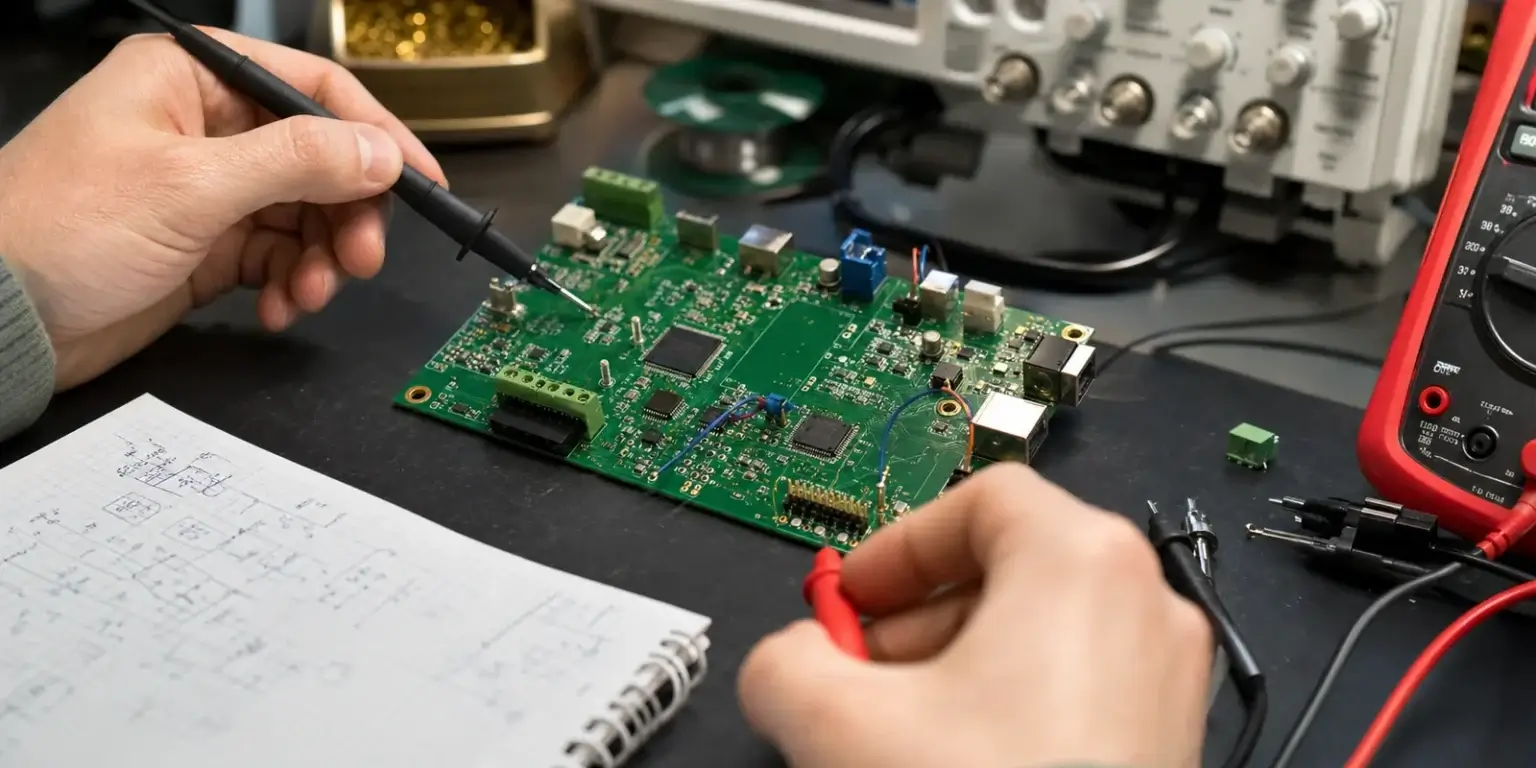
Traceability and Compliance Records by Applied Level
| Compliance or Traceability Item | Applied Level | When the Record Is Required | Customer Use | Record Coverage |
|---|---|---|---|---|
| Certificate of Conformance | Shipment or order level | Shipment or order requirements from the drawing or quality plan require a certificate | Shipment certificate; audit package | CoC provided with the order or shipment ID; inspection and test reports remain separate documents unless required |
| RoHS declaration | Material or order level | The target market requires the declaration of restricted substances in the supplied items | Compliance set; shipment declaration | Documentation supporting RoHS compliance will be provided only for materials or orders that fall within the scope of the RoHS directive |
| REACH declaration | Material or order level | Substances of Very High Concern (SVHC) declaration required for supplied items | Compliance set; audit package | Documentation supporting the REACH declaration will be provided only for materials or orders that fall within the scope of the REACH requirements |
| Material declaration | Material level | Customer request for details about the composition or substance content of a supplied item | Product compliance assessment | Documentation supporting the customer's compliance assessment of the supplied item will be provided in accordance with the customer's structured material declaration format; the depth of information provided will reflect the parameters requested by the customer |
| Lot or date-code trace | Lot level | Controlled components must be traceable to the manufacturer or to a supplier that has obtained the controlled components from a manufacturer | Lot trace; field-return review | A trace sheet will show traceability of controlled components; the trace sheet will contain the MPN, lot ID, date-code field, and quantity received |
| Shipment note or packing list | Shipment level | The receiving party must verify receipt of the shipment and the contents of the packaging used for the shipment | Shipment verification; receiving match | A copy of the packing list or shipment notice will be provided with the shipment ID; documentation verifying component origin will remain separate |
| Incoming inspection result | Lot or received-material level | Incoming consigned or purchased material will be checked for quantity, label, and visible condition at the time of receiving | Quantity, label, and visible-condition check | A receiving inspection sheet will be completed with the quantity, label, and visible condition of the incoming material; written permission for substitution will remain separate documentation |
| Customer acceptance note | Customer decision level | Customer acceptance will be based on documents sent by the manufacturer that support the customer's decision on accepted condition before the purchase order is generated | BOM change trace; supplier-control note | Accepted MPN, approval condition, and revision or date reference must be noted in the customer acceptance note |
| Consigned material entry | Consigned-material level | Consigned materials must be documented in a consignment entry log | Ownership log; shortage record against consignment manifest | Each consignment receiving log must include the owner, shortage record, and manifest match |
Purchasing must confirm that the supplied record matches the information used for the approval. For example, if a restricted-substance declaration is required for the market in which the project will be placed, then the project must identify what materials fall under the restricted-substance declaration. If the market requires date-code traceability for controlled ICs, the received lot must be traceable to the MPN and the quantity received. If a potential MPN was accepted by the customer, it should be noted in that way, as opposed to being treated as a new technical approval.
Shortage Response Depends on Customer Action
The OEM team can determine how to treat an affected BOM line based on the action taken to respond to the lack of a particular part. It is not enough for a supplier to simply state that they do not have a specific part on hand; what is important is what the OEM will do with that BOM line, such as reserve inventory, approve a part replacement, split a production run, continue utilizing consigned material, or instigate a redesign project. The decision is further complicated by the fact that, in the case of consigned or hybrid materials, the EMS provider does not have the authority to replace, reserve, or reallocate an alternative BOM line until the owner of the part is identified and the owner makes a determination.
When responding to a shortage of PCB assemblies, it is critical to connect the trigger for the shortage to the effects caused by the shortage on the assembly process. For example, a long lead time for an IC may affect only one product variant in the production run, whereas an EOL device could impact the manufacturing of every future assembly run. Conversely, a shortage of consigned parts may separate the assemblies that are available from the assemblies that are blocked. If the part replacement impacts the test or programming of the assembly, it is imperative that the assembly be placed on hold for a technical review before staging the material.
Shortage Response and Customer Action
| Shortage Event | Risk Indicator | Response Action | Customer Action | Technical and Supply Check | Production Impact |
|---|---|---|---|---|---|
| Long-lead part without accepted second source | Pricing gap; stock availability notice; AVL with no second approved source | Affected BOM line identified; sourcing rules requested. | Alternative sourcing path, reservation of stock, or instruction to split build | Package; rating; firmware dependency; approved source; forecast | All affected BOM line items will only move forward with confirmed sourcing for those items |
| EOL or last-time-buy notice | Product lifecycle notification or EOL notification includes the last time to purchase | All affected BOM lines have been mapped | Obtain forecasting for the future of EOL-eligible procurement or redesign | Drop-in match; qualification requirement; approved-channel stock level; secure storage conditions | Future builds are based on either EOL procurement condition or an EOL redesign plan |
| Consigned material incomplete | Consignment manifest mismatch; receiving shortage | Missing or mismatched items documented against the material that has been shipped | Provide additional material or instructions for partial builds | Assembly dependency; test dependency; accurate count on the total units of consigned material that have actually shipped | Available material separated from missing line items |
| Hybrid BOM ownership conflict | BOM ownership map missing or inconsistent | Customer-managed and EMS-sourced lines classified | Owner identified for each affected BOM line | Alternate dependency; revision dependency; duplicate-buy or no-buy risks | BOM ownership must be assigned before beginning sourcing |
| Bare-board revision or finish mismatch | Mismatched Gerber; mismatched fabrication drawings; mismatched CoC | PCB input conflicts identified before component placement | Correct revision and finish decision | Assembly drawing; solderability concern; timing of source changes | Assembly cannot begin until the correct bare-board PCB revision and finish are confirmed |
| Alternate affects test or firmware | Datasheet differences; differences in test plans | Substitution waits for a technical decision. | Firmware or test decision after technical review | Firmware; fixture; test limit; programming file; available stock | Affected builds stay on hold until test or firmware impact is cleared |
Long-Lead Parts Without Accepted Alternates
A long-lead part without an accepted alternate should have a dedicated sourcing decision and not be treated as a general sourcing delay. Although the EMS provider may find a source, a complete source change requires a decision from the OEM as to reserve inventory, maintain the original part number, approve the stock source, or separate assemblies that use the part from builds that have available material.
The price of the assembly remains open until the approved source and part scope are confirmed. If the finished product is priced before the long-lead parts are resolved, the quote may look complete while the critical line remains open.
EOL, Last-Time-Buy, and Lifetime Procurement
An end-of-life notice shifts the focus from current production to support for the product’s remaining life cycle. Affected BOM lines must be mapped against PCN/EOL notices, last-time-buy deadlines, approved-channel inventory, storage conditions, and redesign requirements. Stock available today does not resolve the long-term customer action.
From a customer perspective, they have to make one of four decisions: lifetime buy quantity, redesign path, drop-in replacement approval, or limit future production. Without that customer decision, future builds may utilize stock that is held by the customer, and it is not clear how much is reserved, where it is stored, or whether it will be assigned to any specific product plan.
Consigned Shortage and Technical Holds
A consigned shortage will require a different response than an EMS-sourced shortage since the material owner is the customer. If the consignment manifest does not match the received quantity, MPN, date code, revision, or visible condition, the EMS supplier should separate the missing or mismatched line from the available material instead of taking it upon themselves to authorize a replacement.
A technical hold follows the same logic. If a candidate part is going to affect testing, firmware, fixture limits, programming files, or final qualification, the affected assemblies should wait for the customer to respond with a technical decision. The customer’s decision may include replacement material, partial build approval, a technical hold, or a corrected sourcing instruction.
When Two Supply Quotes Can Be Compared
Two supply quotes are comparable when both quotes are based on identical criteria, such as BOM status, approved source rule, board revision, and required shipment records. A lower material number does not represent a lower commercial risk if one quote is for EMS-sourced parts and one quote is for consigned stock, or one quote includes only available sources without AVL confirmation.
The beginning point of a useful comparison is the scope of the two quotes. The OEM team should know which BOM lines are EMS-sourced, which BOM lines are customer-supplied, which BOM lines are still under shortage or lifecycle review, which board revision is released, and which compliance or traceability items are required for shipment. If there is a difference in any of those inputs, the quotes are referencing different builds.
Upload BOM & Gerber
Early Supply Estimate
In the initial stages of developing a supply estimate, use it for planning purposes only; do not use it to make the final comparison among suppliers. The initial estimate should indicate those assumptions that are still open for discussion, at which point the OEM team can use the estimate as a guide for risk discovery.
The initial estimate should answer these four planning questions: Is BOM ownership assigned? Are there any long-lead or end-of-life lines? Is the board version released enough for the assembly team to plan? Are any declarations or trace notes required for the product? If any of these questions cannot be answered, the initial supply estimate is being used to identify risks, but is not yet an indication of supplier selection.
Ready for Commercial Comparison
A commercial supply quote is developed when all major assumptions about that supply quote are confirmed or excluded from the comparison. This means there is a named material owner, a current BOM status, an approved-source rule tied to the quote, a released board version tied to the quote, and required notifications or notes assigned based on the product's required levels.
When all of the major assumptions are identified or excluded, the OEM team can compare the sourcing scope of work, responsibilities for materials, excluded activities, unresolved items, and the impact of the build in a more equitable manner. Therefore, just because a supplier's quote has fewer open questions does not necessarily mean it is more reliable than a supplier with multiple open questions; it simply means that the assumptions for the reliable quote are more transparent.
Frequently Asked Questions
PCBA supply chain resilience means helping the EMS supplier identify pending or unresolved questions related to BOM ownership, approved sources, PCB revisions, consigned materials, and evidence requirements before PCB assembly.
The pillars are material-responsibility clarity, approved-source control, board-revision alignment, consignment readiness, and shipment-record coverage. The EMS supplier should be able to identify BOM lines that are pending approved sources, PCB revisions that have not been released for manufacturing, consigned materials that have not been delivered, and evidence that has not been accepted as acceptable for shipment or audit purposes.
The most useful strategies are not broad purchasing slogans. They include marking who owns each BOM line, checking lifecycle and shortage signals early, separating alternate MPN acceptance from AVL source approval, confirming board revision and finish before placement, and defining which declarations or trace notes are needed for shipment approval.
The best method for EMS suppliers to mitigate their risk is to surface unconfirmed assumptions about the PCB supply chain to the customer before any production activity. This requires identifying which BOM lines lack a responsible party, which sources are not approved, how the long-lead time for EOL parts will be managed and addressed, bare-board file conflicts, and coverage limits.
When a source changes, customers need to provide an clear approval for the affected AVL, released drawing, material requirements specification (MRS), surface finish, solderability, test plan, firmware, and compliance declaration or customer approval condition.
A review normally starts with the BOM, AVL notes, Gerber package, centroid file, assembly drawing, consignment manifest when applicable, lifecycle notices, customer acceptance notes, target market requirements, and test or firmware dependencies that may affect sourcing. Missing files remain unresolved items rather than hidden supplier responsibility.
PCB shortages exist, but the better way to think about this question is whether a PCB project contains any BOM components with single sources, long lead-time items, EOL components, missing second-source options, approved-channel-only stock, or unreleased board inputs.