Upload BOM & Gerber
-
Mobile: +86 13312967631
-
Email: sales@sugaintl.com

PCB Materials
PCB Material Selection for Reliable Production
SUGA supplies and manufactures FR-4, high-Tg, low-loss, RF, flexible, thermal, ceramic, automotive, and package-substrate material systems, with stackup matching, qualification evidence, controlled alternates, and lot-level traceability for repeat production.
234 Material Records (202 Unique Supplier Grades)
14 Supplier Families
What Is a PCB Made Of?
A PCB structure combines conductive, dielectric, bonding, protective, and finish materials. Each material occupies a specific layer and influences insulation, capacitance, thermal conductivity, mechanical strength, solderability, or resistance to the environment. The combination of substrate and copper materials used on and between the layers of a PCB provides the basis for manufacturing and repeatability of the circuit.
| Material Layer | Location in Stack | Function | Failure If Mismatched |
|---|---|---|---|
| Surface finish | Exposed pads (outermost) | Protects pad metal and supports assembly or contact | Poor wetting, uneven pads, oxidation, or premature contact wear |
| Solder mask | Over most external copper | Insulates and protects circuitry | Weak coverage, assembly defects, or inadequate environmental protection |
| Copper foil | External and internal conductive layers | Carries signals and power | Excess loss, poor bend life, thermal rise, or adhesion failure |
| Prepreg | Between cores and copper layers | Bonds the stack and fills copper features | Resin starvation, voiding, thickness error, or impedance drift |
| Core | Within the multilayer stack | Supplies cured dielectric thickness and structural support | Impedance error, warpage, registration problems, or unsuitable thermal expansion |

Which PCB Layer Does Each Material Form?
Copper provides the conductive paths and planes of PCBs. ED copper is used for the most common rigid PCB constructions, while RA copper is used where the PCB will be bent repeatedly. The copper type and profile influence current-carrying capacity, heat generation, conductor loss, and, in some instances, bonding to the dielectric material. Core thickness and Dk influence the impedance model of the circuit. Changing the prepreg resin also affects the fill around etched copper and the thickness achieved after pressing.The base material of a PCB includes the CCL and dielectric structure beneath the surface materials.

Core vs. Prepreg
A core is a fully cured dielectric laminate with copper on one or both sides at a specific thickness. Core CCLs provide fixed dielectric properties. The copper surface treatment can also affect bonding between the copper and the core. Prepreg is a reinforcement material impregnated with resin, which flows around etched copper to form the final bond and cures during the lamination process.
Because the core and prepreg interact with each other, they have to be selected as a single stackup system. SUGA selects cores and prepreg materials based on their ability to meet specific bonding and lamination requirements.
PCB Solder Mask Material vs. Surface Finish
Solder mask is a protective coating over the external circuitry of the PCB. Surface finishes are metallic or organic treatments placed over exposed pad areas. The assembly method will affect which surface finish and solder mask material work best. Fine-pitch components often benefit from the flat pad surface provided by ENIG, which typically supports more consistent soldering but requires a more complex metal-finish process. Hard gold is often used for wear-contact purposes; however, it is generally more expensive and is intended for applications that require repeated contact. OSP provides a flat and lead-free solderable surface, but it also has a limited shelf life.
HASL can work well for basic assembly where its surface profile is acceptable. Immersion silver provides a low-profile, conductive finish. Immersion tin provides a flat solderable surface under controlled storage and assembly conditions. Making the correct surface-finish selection requires connecting pad geometry to the assembly method, oxidation protection, flatness, wear properties, shelf-life requirements, and circuit signal requirements because the finish name does not provide all the required information.
PCB Material Types
There are different families of PCB materials, which are selected based on their electrical loss, temperature range, flexibility, heat dissipation, dimensional stability, compatibility with manufacturing processes, availability, and cost. SUGA offers and supplies several laminate families, including FR-4, high-frequency, flexible, thermal, ceramic, composite, and paper-based materials.
| Material System | Construction | Engineering Strength | Primary Application | Limiting Condition |
|---|---|---|---|---|
| Standard FR-4 | Glass-reinforced epoxy; cured cores and prepregs | Cost control; broad availability; mature processing | Consumer products; general-purpose multilayer boards | Grade-specific thermal and loss limits |
| High-Tg / enhanced FR-4 | Glass-reinforced epoxy with high-Tg or enhanced resin system | Reflow margin; thermal-cycle margin | Industrial controls; automotive electronics | Electrical loss remains grade-specific |
| Rogers / hydrocarbon ceramic | Hydrocarbon-ceramic laminate; qualified bonding materials | Stable RF dielectric behavior | Antennas; 5G; RF; microwave | Higher material and process cost |
| PTFE | PTFE dielectric; qualified reinforcement and bonding system | Very low loss; stable high-frequency dielectric behavior | Radar; satellite; mmWave | Specialized fabrication process |
| Polyimide | Polyimide dielectric; copper; coverlay; adhesive or adhesiveless bond | Bendability; temperature resistance | Flex; rigid-flex; wearables | Bend geometry; moisture; process control |
| Metal core | Copper circuitry; insulating dielectric; aluminum or copper base | Short thermal path; heat spreading | LED; power electronics | Routing limits in basic constructions |
| Al₂O₃ / AlN ceramic | Ceramic dielectric; qualified metallization | Heat transfer; dimensional stability | High-power modules; RF packaging | Brittleness; cost |
| CEM / paper-based | Composite epoxy or paper-phenolic laminate | Low-cost, construction-specific platform | Simple single- or double-sided boards | Narrow thermal and mechanical envelope |

FR-4 PCB Materials
Standard FR-4 is used as a reference point for many products and is the baseline for pricing and availability. However, FR-4 by itself is not a complete material specification. It does not include the supplier grade, core and prepreg construction, glass style, thermal specifications, electrical specifications, or substance specifications. High-Tg grades provide additional margin above the Tg, while lead-free-compatible grades are designed to withstand exposure during assembly; halogen-free formulations limit the amount of restricted halogens in their composition; and low-loss dielectrics are designed to minimize dielectric loss.
These materials have independent attributes; a high Tg does not provide any information regarding z-axis CTE, Df, CAF resistance, or TTD performance, so each attribute must be verified and confirmed independently.
Specifications regarding thermal cycling, reflow tolerance, channel loss, CAF, and environmental requirements define the grade of FR-4 material. At SUGA, FR-4 is specified by the applicable slash sheet using the manufacturer’s grade, glass style, copper type employed in the stackup, and qualified stackup. G-10 is a glass-epoxy laminate, while FR-4 specifies the use of flame-retardant materials. Halogen-free laminates use specific formulations to comply with established restricted-halogen limits, but the designation does not confirm the material’s Tg, Dk, Df, CTI, or finished-board reliability.
Rogers PCB Materials and PTFE Laminates
Rogers laminates include PTFE and hydrocarbon-ceramic laminate grades. SUGA uses the electrical values and process conditions of the exact grade and construction. Surface preparation, drilling, plating, dimensional behavior, and multilayer bonding differ from standard epoxy processing. Modeled loss, phase, and impedance requirements determine when to use FR-4-class materials, Rogers materials, PTFE, or other high-frequency laminate materials.
Flexible PCB Materials
The grain structure of RA copper allows repeated bending. Adhesiveless constructions reduce thickness and remove an adhesive interface. Adhesive-based constructions meet other cost, thickness, and lamination requirements. The flexible construction depends on factors such as required bend life, material thickness, temperature, and transition-zone reliability.
The factors involved in selecting flexible PCB materials are bend count, bend radius, bend direction, copper-grain direction, layer count, assembly temperature, and coverlay opening geometry. SUGA coordinates these inputs with the neutral bend region and the rigid-flex transition; polyimide thickness alone can never be the deciding factor.
Metal-Core PCB Materials
The path between the junction and ambient runs from the component and copper circuitry through the dielectric and metal core into the mechanical interface, then through the cooling system. A thick or low-conductivity dielectric may cancel most of the expected benefits of using metal. Copper-core structures can support higher levels of heat spreading and current demand than typical aluminum-core constructions, but these materials also differ in cost, weight, and processing characteristics.
The thermal-management construction is based on the junction temperature and thermal gradients under the actual power and cooling conditions. SUGA manufactures aluminum-core, copper-core, and multilayer thermal-management products, with dielectric thickness, isolation voltage, copper geometry, flatness, and attachment conditions included in the specifications.
Ceramic PCB Materials
AlN is used for higher thermal-conductivity requirements, while alumina is considered a lower-cost ceramic option. Heat flux, isolation requirements, CTE matching, and operating conditions combine to determine which ceramic material is used. Thermal-performance comparisons between ceramic types are based on thermal conductivity, CTE, insulation, and temperature capability.
SUGA produces ceramic substrates, metallization, PCB routing, and PCB assembly. When selecting ceramic material types, the following must be specified: grade, thickness, metallization type, copper geometry, required isolation, mechanical handling, and test evidence.
CEM and Paper-Based Laminates
CEM-1 is common in appropriate single-sided constructions; CEM-3 supports selected double-sided constructions. Paper-phenolic systems and composite epoxy materials can serve an economical segment of the industry, but these materials operate under different conditions. Simple products typically use these less expensive material families; if the design requirements become too demanding in terms of moisture, temperature, through-hole construction, layer count, or mechanical performance, it may be necessary to move to a stronger laminate family.
SUGA makes this decision based on manufacturing capabilities, required safety ratings, exposure to assembly processes, the geographical area where the product is produced, and the entire operating envelope. A reduced laminate price is valuable only if it results in a PCB that can still be manufactured and used consistently.
PCB Material Properties and Failure Modes
PCB material specifications comprise the exact grade, measured properties, stackup, copper information, assembly information, and service environment. Published PCB material values must remain linked to the applicable frequency, test method, and construction characteristics; otherwise, the impedance model and reliability margins will not be based on the correct inputs.
| Property | Engineering Definition | Design Impact | Comparison Basis |
|---|---|---|---|
| Tg | Polymer glass-transition region | Z-axis expansion; mechanical margin above Tg | Test method; laminate grade; full thermal profile |
| Td | Decomposition temperature at defined weight loss | Chemical decomposition margin | TGA method; weight-loss criterion |
| T260 / T288 / T300 / T320 | Time to delamination at stated temperature | Lead-free reflow durability | Test temperature; time; laminate construction |
| Z-axis CTE | Thickness-direction thermal expansion | Via-barrel fatigue; layer registration | Below/above-Tg CTE; board thickness |
| Dk | Dielectric constant at stated method and frequency | Impedance; wavelength; propagation timing | Design Dk vs. process/specification Dk; frequency; method |
| Df | Dissipation factor at stated method and frequency | Dielectric insertion loss | Frequency; method; resin/glass construction; moisture condition |
| Moisture absorption | Water uptake after defined conditioning | Dk/Df drift; delamination; dimensional change | Conditioning method; storage; bake control |
| Thermal conductivity | Directional heat-transfer capability | Junction temperature; thermal gradient | Direction; test method; dielectric thickness; interface resistance |
| Peel strength | Copper-to-dielectric adhesion | Pad/trace retention; thermal-cycle life | Copper type; treatment; thermal conditioning |
| Flexural / tensile properties | Resistance to bending and mechanical stress | Board stiffness; handling; dynamic-flex life | Material direction; thickness; conditioning |
Thermal Properties That Control Reflow Reliability
Z-axis expansion in plated through holes, copper interfaces, and layer registration tends to increase and add stress above the Tg of the laminate. Tg does not represent the maximum temperature at which the assembly can operate. The Td value represents a separate chemical decomposition mechanism measured at a stated weight-loss criterion. An FR-4 laminate with a high Tg may still have an unfavorable CTE above its Tg or insufficient performance during lead-free reflow conditions based on its construction and process history.
The T260, T288, T300 and T320 values describe the time required for delamination at the specified temperature and test construction. The T260, T288, T300 and T320 values indicate whether the laminate and interconnect structures can withstand multiple thermal exposures. Through the analysis of above-Tg expansion and interfacial stresses generated during reflow, the industry uses several methods, including thermal testing, mechanical testing, and microsections, to verify that the board has sufficient margin against interconnect failure or delamination.
High-Tg FR-4 examples in the 170–185°C class are product-specific and depend on the specific laminate grade and test methods used. The selection of these materials includes CTE, copper adhesion, board thickness, copper plating, and time-to-delamination, all of which form one thermal system defined by the FR-4 laminate family, manufacturing method, complete thermal profile, and finished construction.

How Do Dielectric Properties Affect Signals?
Complete channel loss includes dielectric loss, copper resistance, copper-surface effects, trace geometry, vias, and connectors. Dk and Df are two material attributes specific to the construction and enter the stackup and loss models when selecting materials for the board; however, the material label itself does not carry the values of Dk and Df.
Dk and Df values depend on the test method used to obtain them, frequency, resin content, glass reinforcement, specimen construction, and moisture conditioning. Manufacturers use established methods to generate Dk and Df values at 1 MHz, 1 GHz, and 10 GHz. Each Dk and Df value has four identifiers: the exact material grade, the frequency used to generate the value, the test method used to generate the value, and the specimen construction.
The Design Dk value can be used for modeling field conditions, while Process or Specification Dk values can be used to control the material according to specified test conditions. To determine the appropriate value for the impedance model, you need to use the Dk and Df values from the supplier that correspond to the grade and construction of the material used for the board, as well as the pressed dielectric thickness, glass style, copper thickness, and etch result for the built channel.
Glass weave creates local dielectric variation and skew. When narrow traces cross a section of material that has either a resin-rich or glass-rich area created during manufacturing, those trace paths are susceptible to changes in effective Dk and therefore the impedance of the channel. The presence of moisture also causes changes to Dk and Df properties. As such, Dk and Df should be directly connected to the controlled stackup and conditioning state of the material.
How Do Moisture and Stress Damage Laminates?
Absorbed moisture can change dielectric behavior, affect dimensions, and create vapor pressure during assembly heating. Control should begin with the specified storage and shelf life of the laminate, continue through sealed handling and any necessary bake, and be supported by lot evidence showing that the laminate used for lamination matches the specified condition.
Peel strength connects the copper treatment and dielectric interface to the pad, trace, and thermal-cycle life of the circuit. Flexural and tensile characteristics influence rigid-board transport and handling, stiffness, formed-assembly conditions, and the dynamic-flex life of the assembly.
Different laminate systems react differently in terms of moisture behavior and processing. It is therefore critical to retain the incoming laminate lot identity and associated storage records, maintain the incoming copper identity, and preserve the process qualification to ensure that the tested material condition is retained as the material passes through purchasing, storage, lamination, assembly, and service.
PCB Materials for High-Speed Design
The first step in selecting PCB materials is determining the requirements for the channel. After determining those elements, SUGA separates dielectric loss, conductor loss, impedance tolerance, skew, via loss, connector loss, and manufacturing variation to select the appropriate laminate, prepreg, glass style, and copper profile relative to the loss budget.
Even when multiple manufacturers use the same low-loss laminate grade, the same channel will produce different loss results when the construction changes, including the copper, trace geometry, and processing. Therefore, only after considering the final manufactured structure can the measured channel result for a particular product be determined.

RF PCB Materials Selection
The operating frequency, insertion-loss target, Dk stability, allowable thickness tolerance, thermal coefficient of Dk, moisture behavior, copper profile, and fabrication process must all be considered together to select the appropriate RF or microwave material.
| Material Grade | Process Dk | Design Dk | Df | Frequency |
|---|---|---|---|---|
| RO4003C | 3.38 | 3.55 | 0.0027 | 10 GHz |
| RO4350B | 3.48 | 3.66 | 0.0037 | 10 GHz |
| RT/duroid 5880 | — | 2.20 | 0.0009 | 10 GHz |
The values for the suppliers represented herein are representative only; the acceptance limits are set forth in the current data sheet for each item. The current data sheet, test method, frequency, specimen construction, and qualified stackup dictate how these items may be used.
Process Dk supports material control, while Design Dk feeds the stackup and field model according to the supplier’s definition. Finished boards are measured using controlled impedance, insertion loss where applicable, and production coupons.
SUGA supports Rogers, PTFE, and hybrid RF constructions. These include material supply and related processes such as lamination, mechanical processing, PTH manufacturing, and coupon validation.
Which Copper Foil Profile Supports the Channel?
High-frequency current concentrates at the copper surface. Therefore, the effective current path along a rough treated surface is longer, which increases conductor loss. SUGA selects the copper profile together with the adhesion and bonding system to meet the channel-loss and reliability requirements.
| Copper Foil Class | Representative Rz Range | Channel Application | Required Process Control |
|---|---|---|---|
| Standard ED | about 6–10 μm Rz | General signal; power layers | Supplier foil code; treatment; measured roughness; measurement method |
| LP | about 2–4 μm Rz | Lower-loss digital channels | Trace length; frequency; stackup; supplier profile |
| VLP | about 1–2 μm Rz | High-speed digital; RF channels | Adhesion system; supplier foil designation; insertion-loss target |
| HVLP | below about 1 μm Rz | Loss-critical channels | Modeled loss budget; exact supplier specification |
RA copper is selected because its construction is designed specifically for repeated flexing. As such, it does not fit into the ED roughness-class ranking system. Each supplier foil must retain the Rz value and measurement method from the supplier’s data sheet. The labels LP, VLP, and HVLP may not be uniform across suppliers.
The upgrade point is based on the total loss budget, including trace length, frequency content, geometry, dielectric loss, vias, and connectors. These factors determine whether standard ED remains acceptable or whether a lower-profile foil produces a better measured channel result. Adhesion and fabrication qualification must be assessed before this determination.
Representative Low-Loss Material Families
The MEGTRON8, MEGTRON7, and MEGTRON6 material families from Panasonic, Isola’s Tachyon, Astra, and I-Tera material families, Rogers’ RO4000 and PTFE-based families, and Shengyi low-loss families support different loss-sensitive constructions. SUGA selects the specific material grade, prepreg pairing, copper profile, and stackup to meet the specific channel requirements.
MEGTRON8 uses the R-5795 / R-5690 families, while MEGTRON7 uses the R-5785 / R-5680 families. The laminate and prepreg identifiers remain correctly paired. The S7439 values for Shengyi follow the specific variant, construction, method, frequency, and current supplier data-sheet revision.
When Do Hybrid Stackups Reduce Cost?
A hybrid stackup is composed of low-loss or RF material and FR-4-class material. The low-loss material is placed only on signal-critical layers, and the FR-4-class material is used to carry power, ground, or mechanical support functions. In this case, the hybrid stackup can minimize material costs without affecting the channel margin only if all materials can be combined into one manufacturable stack.
SUGA examines resin compatibility, lamination temperature, z-axis expansion, drill properties, bond integrity, and dimensional movement before creating a hybrid material system. The resulting hybrid stackup maintains registration, PTH integrity, impedance, and bond strength while minimizing the use of premium materials. SUGA provides material supply, stackup engineering, impedance modeling, lamination, and coupon testing.
These interface rows represent engineering starting points only. The interface standard establishes the required materials.
| Interface / SerDes | Lane Rate | Primary Channel Constraint | Material / Foil Starting Point |
|---|---|---|---|
| PCIe Gen4 | 16 GT/s per lane | 8 GHz Nyquist; channel length; connector/via loss | Qualified low-loss FR-4; LP/VLP per modeled loss budget |
| PCIe Gen5 | 32 GT/s per lane | 16 GHz Nyquist; tighter loss and variation budget | Very-low-loss laminate; VLP |
| PCIe Gen6 PAM4 | 64 GT/s per lane | PAM4 loss; crosstalk; manufacturing variation | Very-low-loss laminate; qualified VLP/HVLP |
| PCIe Gen7 PAM4 | 128 GT/s per lane | Higher-frequency loss; discontinuity; reach; manufacturing variation | Ultra-low-loss construction; low-profile copper; end-to-end channel validation |
| 112G PAM4 SerDes | 112 Gb/s per lane class | End-to-end insertion loss; return loss | Very-low-loss laminate; foil selected from modeled channel |
| 224G PAM4 SerDes | 224 Gb/s per lane class | Higher-frequency loss; discontinuity control | Lowest-loss qualified construction justified by channel budget |
| Power / ground | DC or low frequency | Current; copper weight; thermal rise | FR-4-class or compatible hybrid support layers |
| Management signals | Below 1 Gb/s class | Cost; routing density | Qualified FR-4-class material |
How SUGA Selects and Supplies Materials
Material Selection Sequence
- Define the Operating Environment: Record the relevant frequency or data rate, ambient temperature, humidity, chemical exposure, voltage, power, bending, and service life conditions. These environmental conditions generally help identify the dominant failure mechanisms before discussing the manufacturer, brand, or grade.
- Set Measurable Limits: The next step is to convert the environment into a loss budget, impedance tolerance, Tg, Td, CTE, thermal resistance, isolation, and mechanical targets for material use.
- Select the Material Family: Start with qualified FR-4 where cost and wide availability are the determining factors. Reflow and thermal cycling may narrow the shortlist to high-Tg, low-CTE, or higher-reliability FR-4. RF loss and phase stability generally lead to Rogers, PTFE, or other qualified RF laminates. High-speed channel loss may require lower-loss, very-low-loss, or ultra-low-loss laminates. Repeated bending typically leads to polyimide, adhesiveless construction, and RA copper. Heat dissipation and isolation often require thermally enhanced FR-4, metal-core, copper-core, or ceramic materials.
- Define the Final Stackup Construction: This includes the exact core, prepreg, glass style, copper weight and profile, thickness, and surface finish.
- Verify Manufacturing Conditions: The conditions under which the laminate will be manufactured, including lamination, drilling, desmear, plating, dimensional movement, assembly temperature, and yield impact, must be considered.
Cost and Material Availability
Using the above guide for the material selection process will assist with controlling the overall cost of the laminate materials. Standard and readily available laminate grades alleviate material, qualification, and scheduling pressures. Premium laminate grades are used only where they control a measurable electrical, thermal, or mechanical condition. Therefore, premium laminate material is used only on layers where it provides a measurable benefit to the finished product. Qualified alternative laminate materials provide an opportunity to maintain supply continuity.
Availability is a design input. Raw-material lead time, order quantity, glass style, copper pairing, prepreg availability, and the supplier’s lifecycle are all factors that determine whether the modeled stackup is repeatable. During the design cycle, SUGA verifies these constraints before finalizing the design.
Commercial considerations go beyond the price per sheet of laminate material and include how the material will be utilized within a panel. Other considerations include the availability of compatible prepregs and copper materials, minimum order quantity, processing complexity, expected yield, testing burden, and requalification cost to ensure that the specified laminate meets the design and specification requirements. Therefore, a lower-priced laminate can be a higher-cost option if it requires a stackup redesign, creates uncertainty in ongoing supply, or introduces greater uncertainty into the fabrication process. Alternatively, an available qualified material family can shorten the schedule if the laminate’s exact construction and supporting documentation meet all specified requirements.

How Is an Alternate Laminate Compared?
| Comparison Area | Parameters to Match | Result to Confirm |
|---|---|---|
| Material construction | Intended application; core/prepreg grade; glass style; resin content; finished thickness | Stackup compatibility |
| Electrical | Design Dk; Df; copper thickness/profile; impedance tolerance | Impedance and channel loss |
| Thermal / mechanical | Tg; Td; CTE; time-to-delamination; moisture; adhesion; dimensional movement | Reflow and interconnect reliability |
| Manufacturing | Lamination; drilling; desmear; plating; registration; surface preparation | Manufacturable finished board |
| Qualification | Supplier data sheet; applicable IPC slash sheet; UL recognition; incoming identity; coupon evidence | Approved alternate for repeat production |
A qualified alternate can enter repeat production once the manufactured board and modified stackup satisfy the electrical, thermal, mechanical, and process specifications of the original design criteria. Changes to design Dk, dielectric thickness, glass construction, or copper profile that affect trace geometry or impedance models may require updates to those models and geometries. All qualified alternates remain linked to the stackup used to manufacture those boards for future purchasing.
PCB Material Qualification and Traceability
SUGA has established procedures to qualify materials and maintain traceability to manufacturing materials, including controlling the supplier from which a material is ordered, establishing controls for incoming lots of material received, establishing controls for material processing, and establishing controls for material testing.
Material qualification establishes the qualified alternate’s link to the supplier and material grade, the identity of the cores and prepregs used in its manufacture, the specifications to which it was manufactured, the Dk and Df data, the thermal data, the copper construction, controls placed on incoming lots, manufacturing compatibility, and product-specific test evidence. Any alternate materials purchased in the future must have a qualified stackup linking the incoming lots for that alternate to the finished board.
Which Material Standards Apply?
| Standard | Standard Coverage | Application |
|---|---|---|
| IPC-4101E-WAM1 | Rigid and multilayer laminate and prepreg | Laminate and prepreg specification with applicable slash-sheet matching |
| IPC-4562B | Copper foil classification | Copper foil control |
| IPC-4202C / IPC-4203C / IPC-4204C | Flexible base dielectrics, adhesives, and metal-clad materials | Flex and rigid-flex material families |
| IPC-4103B | High-speed and high-frequency base materials | Apply when required by the material specification, customer drawing, or qualification plan |
| IPC-6012F | Rigid printed boards | Finished rigid-board evidence |
| IPC-6013E | Flexible and rigid-flex printed boards | Finished flex and rigid-flex evidence |
| IPC-6018D | RF and microwave printed boards | Finished high-frequency board evidence |
| IEC 61249-2-21 | Restricted-halogen material requirements | Halogen-controlled constructions |
The documents provided by the material supplier represent the identity of the material used. Therefore, any UL recognition, substance documentation, or customer-specific material specifications remain tied to the actual grade and construction of the material. SUGA qualifies each material by matching the applicable specifications and slash sheets provided by suppliers to the actual evidence received from each supplier, the stackup, manufacturing processes, and finished-board test records.
How Are Material Changes Traced?
Supplier qualification and purchase-specification control establish what may be ordered. Comparing certificates, matching labels and lot numbers, checking storage conditions, controlling shelf life, and performing incoming inspection establish what was actually received. Once a material has been received, the supplier, material grade, core and prepreg identity, copper foil identity, stackup revision, process used, lot number, and qualification evidence travel with the production record through repeat orders.
A supplier, resin system, glass type, copper foil, treatment method, or production-process change can influence the impedance, loss, thermal expansion, adhesion, registration, or reliability of a finished board. The change must be validated against the qualified material requirements before use. If accepted, its certificate of conformity or analysis, incoming labels, lot and date codes, storage status, and production records must remain traceable to the applicable qualification.
Material Qualification Tests
Tests conducted during material qualification are based on the primary failure mechanisms. Thermal tests and solder-stress tests measure reflow margin, while CTE test data and microsection results provide evidence related to plated-hole stress, registration, and interconnect reliability. Controlled-impedance coupons and insertion-loss structures are tested for use in RF and high-speed systems, while peel-strength tests validate copper adhesion.
Thermal-resistance, isolation, flatness, and power-cycle tests may be required for power and thermal boards. Flex constructions may require bend-test protocols that include radius, direction, layer count, copper type, and the expected number of cycles. In addition, materials exposed to moisture or environmental conditions may require conditioning, insulation, or material-handling testing.
SUGA provides these qualification tests. Each test plan identifies the specific grade, lot number, stackup, manufacturing process, condition, and acceptance requirements to determine whether a passing test result supports repeat ordering of the material.
Repeat orders for qualified materials must retain documented evidence from the qualified supplier, the identity of incoming lots for any alternate material used to manufacture the stackup or finished board, the stackup used to make the finished board, and all production information related to the finished board.
PCB Material Applications

Industrial Controls
Industrial control PCBs are often housed in cabinets. The PCBs are subjected to heat, humidity, contamination, and sustained bias for many years. Qualified FR-4 is normally the material selected for an industrial control PCB. However, a critical mistake is approving the PCB material based on Tg alone. Although a PCB may pass initial electrical testing, it can develop CAF growth or plated-hole fatigue many months after installation due to bias and condensation. These failures usually appear as intermittent leakage current near densely spaced vias rather than as a short circuit. Material qualification must consider Tg, z-axis CTE, CTI, CAF resistance, plated-hole configuration, and cleaning condition. Alternate materials must also be qualified before the original glass style becomes unavailable.

Automotive and EV Electronics
The materials used in automotive and EV electronics do not share the same material envelope. Thermal cycling, vibration, and voltage stress vary among cabin controllers, battery-management boards, onboard chargers, and inverter control boards. Therefore, “automotive-grade FR-4” is not a sufficient material designation for an automotive PCB. Material qualification must account for Tg, z-axis CTE, CAF resistance, copper weight, and the specific configuration of the PCB’s plated holes. On battery-management boards cycling across wide temperature swings, barrel cracking typically appears at corner plated holes first, well before flat-panel regions show strain. Heavy-copper FR-4, IMS, or ceramic may be used where current density and heat flow dominate the functionality of the PCB. An incorrect combination of materials may pass the assembly process but fail during service.

High-Speed Computing and Telecom
High-speed PCBs reach the material-upgrade point at different channel lengths. For low-loss materials used in PCBs, the loss advantage of a low-Df material can be largely eliminated by rough copper, long vias, connectors, or traces crossing between resin-rich and glass-rich areas. The layers selected for low-loss laminate depend on the channel model, not just the Df stated on the data sheet. Standard-glass and low-Dk-glass variants of the same product family may not be interchangeable. When the exact grade, glass style, foil designation, and impedance-coupon evidence remain linked to the stackup used in repeat production, changes in loss margin or skew can be traced to copper roughness or resin-distribution changes that may not be evident from the material name alone.

RF and Microwave Systems
For RF and microwave systems, performance cannot be determined from Dk values on a data sheet alone. Phase consistency and insertion loss are also affected by dielectric-thickness tolerance, moisture conditioning, and copper profile. Although a laminate may meet its Dk value on a coupon, panel-to-panel thickness variation or copper roughness that deviates from the modeled construction can shift antenna phase. Rogers, PTFE, or hydrocarbon-ceramic materials are selected based on frequency, stackup, and fabrication process rather than Dk alone. Hybrid boards must maintain bonding-material, lamination-temperature, and drilling compatibility with the FR-4 support layers, or the transition region can become the weakest point.

Power and Thermal Management
Power and thermal-management boards use the material both as an isolation path and as part of the heat-transfer path. Therefore, comparing only the thermal conductivity of the base metal is misleading. A thicker dielectric or small copper-spreading area can produce a junction temperature that cannot be offset by switching from an aluminum base to a copper base. Thermally enhanced or heavy-copper FR-4, aluminum-core, copper-core, and ceramic materials must be evaluated for current density, dielectric thermal resistance, isolation voltage, and hotspot position, together with attachment pressure and power-cycle evidence. Failure to perform this evaluation can result in a board with a higher-than-expected temperature despite having a premium base material on the specification sheet.

Flex and Rigid-Flex Assemblies
When selecting flex or rigid-flex assemblies, a one-time installation bend must be distinguished from repeated dynamic flexing. Polyimide, adhesive or adhesiveless construction, RA copper, and coverlay determine the bend life and neutral-axis position of flex and rigid-flex assemblies, but a minimum bend-radius specification is complete only when bend direction, cycle count, and copper-grain direction are also defined. RA copper does not compensate for an incorrect neutral axis or an asymmetric buildup. All materials in a rigid-flex assembly must act together as a single structure. Initial cracking often occurs along the coverlay edge or rigid-to-flex transition before the straight bend region shows visible signs of fatigue.

HDI PCB Materials
Several factors are involved in selecting materials for HDI PCB assemblies, including laser-via formation, desmear response, the ability of the resin to fill microvias and withstand multiple lamination cycles, and the buildup of interfacial stress over multiple press cycles. A common mistake is choosing a low-loss or high-Tg grade without first confirming that its resin system supports microvia formation and sequential lamination. When ablation and cleaning processes are not qualified, via-wall or copper-adhesion defects may not appear during initial electrical testing but can develop into intermittent opens after thermal cycling in the field. Multiple press cycles can also cause dimensional movement and create interfacial stress. The specification must bind the core, prepreg, number of press cycles, and laser process together; impedance coupons alone do not guarantee microvia reliability.

Package-Substrate Materials
Package-substrate materials include thin cores, fine routing patterns, low in-plane CTE, and high-modulus materials. However, improving one property can worsen another. A stiff, low-CTE construction restricts substrate expansion during temperature cycling but places additional stress on the copper and via field. When this stress concentrates at package-corner vias, crack initiation usually occurs there rather than at the center. A thinner core reduces package height while increasing handling and assembly warpage. When selecting package-substrate materials, the exact directional properties, resin system, and routing density must be considered together. Warpage and fine-line integrity must be verified against the intended construction rather than the laminate family name alone.
PCB Material Suppliers and Products
Although a material family is listed, its availability for a specific project must still be verified, and the material must match the specified stackup before production use.
Supplier Lookup
| Supplier Code | Qualified Supplier |
|---|---|
| EMC | Elite Material |
| Panasonic | Panasonic |
| TUC | Taiwan Union Technology |
| ITEQ | ITEQ |
| Doosan | Doosan |
| Isola | Isola |
| Nelco | Nelco |
| SYL | Shengyi Technology |
| Hitachi | Hitachi |
| Ventec | Ventec |
| NANYA-SH | Nanya New Material Technology |
| NANYA-TW | Nan Ya Plastics Corporation |
| HZ | Huazheng |
| MGC | Mitsubishi Gas Chemical |
SUGA Material Capability List
The list of materials from SUGA includes 234 material/application records, corresponding to 202 unique supplier-grade entries. The same supplier grade may appear in multiple entries when it is mapped to different applications. The comparison classes are used as a reference, but they do not establish equivalence between suppliers. Approval of a supplier’s material is based on the exact grade, test method, frequency, glass style, copper profile, stackup, and board-level evidence. “—” indicates that no normalized loss tier is assigned in this reference register.
| Material ID | Application Class | Comparison Class | Supplier | Material Grade / Series |
|---|---|---|---|---|
| MAT-001 | High-Speed Computing | Hyper Low Loss | EMC | EM-892K / K2 |
| MAT-002 | High-Speed Computing | Hyper Low Loss | Panasonic | Megtron8(N) |
| MAT-003 | High-Speed Computing | Hyper Low Loss | TUC | TU-943 (Low-Dk glass) |
| MAT-004 | High-Speed Computing | Hyper Low Loss | ITEQ | IT-998G SE (Low-Dk glass) |
| MAT-005 | High-Speed Computing | Hyper Low Loss | Doosan | DJ(N) / DJ(N)L2 |
| MAT-006 | High-Speed Computing | Super Low Loss | EMC | EM-890K (Low-Dk glass) |
| MAT-007 | High-Speed Computing | Super Low Loss | Panasonic | Megtron7; R-5785(N) (Low-Dk glass) |
| MAT-008 | High-Speed Computing | Super Low Loss | TUC | TU-933+ (Low-Dk glass) |
| MAT-009 | High-Speed Computing | Super Low Loss | ITEQ | IT-988G SE (Low-Dk glass) |
| MAT-010 | High-Speed Computing | Super Low Loss | Doosan | DS-7409DV(N) (Low-Dk glass) |
| MAT-011 | High-Speed Computing | Super Low Loss | Isola | Astra® MT77; IS680 AG |
| MAT-012 | High-Speed Computing | Super Low Loss | Nelco | Meteorwave 8000; Meteorwave 4000 (Low-Dk glass) |
| MAT-013 | High-Speed Computing | Super Low Loss | EMC | EM-890 |
| MAT-014 | High-Speed Computing | Super Low Loss | Panasonic | Megtron7; R-5785 |
| MAT-015 | High-Speed Computing | Super Low Loss | TUC | TU-933 (Low-Dk glass) |
| MAT-016 | High-Speed Computing | Super Low Loss | ITEQ | IT-988G |
| MAT-017 | High-Speed Computing | Super Low Loss | SYL | Synamic 6N; Synamic 6GN (Low-Dk glass) |
| MAT-018 | High-Speed Computing | Super Low Loss | Doosan | DS-7409DV |
| MAT-019 | High-Speed Computing | Super Low Loss | Isola | I-Tera MT40; Tachyon 100G (Low-Dk glass) |
| MAT-020 | High-Speed Computing | Super Low Loss | Nelco | Meteorwave 3000 |
| MAT-021 | High-Speed Computing | Very Low Loss | EMC | EM-891K / EM-528K (Low-Dk glass) |
| MAT-022 | High-Speed Computing | Very Low Loss | Panasonic | Megtron6; R-5775(N) (Low-Dk glass) |
| MAT-023 | High-Speed Computing | Very Low Loss | TUC | TU-883SP (Low-Dk glass) |
| MAT-024 | High-Speed Computing | Very Low Loss | ITEQ | IT-968 SE (Low-Dk glass) |
| MAT-026 | High-Speed Computing | Very Low Loss | Isola | IS680 |
| MAT-027 | High-Speed Computing | Very Low Loss | Nelco | Meteorwave 2000 (Low-Dk glass) |
| MAT-028 | High-Speed Computing | Very Low Loss | Hitachi | MCL-LW-910G (Low-Dk glass) |
| MAT-029 | High-Speed Computing | Very Low Loss | Ventec | VT-462S(LK) |
| MAT-030 | High-Speed Computing | Very Low Loss | EMC | EM-891 |
| MAT-031 | High-Speed Computing | Very Low Loss | Panasonic | Megtron6; R-5775 |
| MAT-032 | High-Speed Computing | Very Low Loss | TUC | TU-883 |
| MAT-033 | High-Speed Computing | Very Low Loss | ITEQ | IT-968 |
| MAT-034 | High-Speed Computing | Very Low Loss | SYL | Synamic 6; Synamic 6G |
| MAT-035 | High-Speed Computing | Very Low Loss | Doosan | 7409DV(G); DS-7409D (X) |
| MAT-036 | High-Speed Computing | Very Low Loss | Isola | Teragreen; IS300MD |
| MAT-037 | High-Speed Computing | Very Low Loss | Nelco | Meteorwave 1000 |
| MAT-038 | High-Speed Computing | Very Low Loss | Hitachi | MCL-LW-900G |
| MAT-039 | High-Speed Computing | Very Low Loss | Ventec | VT-462S |
| MAT-040 | High-Speed Computing | Very Low Loss | NANYA-SH | NY6300; NY6300G |
| MAT-041 | High-Speed Computing | Very Low Loss | EMC | EM-528; EM-888K (Low-Dk glass) |
| MAT-042 | High-Speed Computing | Very Low Loss | Panasonic | R-A575 |
| MAT-043 | High-Speed Computing | Very Low Loss | TUC | TU-872-SLK Sp (Low-Dk glass) |
| MAT-044 | High-Speed Computing | Very Low Loss | ITEQ | IT-150DA |
| MAT-045 | High-Speed Computing | Very Low Loss | Isola | IS620i |
| MAT-046 | High-Speed Computing | Very Low Loss | Nelco | N4000-13EP SI; N4800-20 SI (Low-Dk glass) |
| MAT-047 | High-Speed Computing | Very Low Loss | Hitachi | FX-2 |
| MAT-048 | High-Speed Computing | Very Low Loss | NANYA-TW | NPG-170D |
| MAT-049 | High-Speed Computing | Very Low Loss | Ventec | VT-462(L) |
| MAT-050 | High-Speed Computing | Low Loss | EMC | EM-888(S); EM-526 |
| MAT-051 | High-Speed Computing | Low Loss | Panasonic | Megtron4; R-5725; Megtron4S; R-5725S |
| MAT-052 | High-Speed Computing | Low Loss | TUC | TU-872-SLK |
| MAT-053 | High-Speed Computing | Low Loss | SYL | S7439 |
| MAT-054 | High-Speed Computing | Low Loss | Isola | I-SPEED |
| MAT-055 | High-Speed Computing | Low Loss | Nelco | N4000-13EP; N4800-20 |
| MAT-056 | High-Speed Computing | Low Loss | Hitachi | MCL-HE-679G(S) |
| MAT-057 | High-Speed Computing | Low Loss | NANYA-SH | NY6200 |
| MAT-058 | High-Speed Computing | Low Loss | HZ | H380 |
| MAT-060 | High-Speed Computing | Low Loss | Panasonic | MEGTRON M; R-5735 |
| MAT-061 | High-Speed Computing | Low Loss | TUC | TU-872-LK |
| MAT-062 | High-Speed Computing | Low Loss | ITEQ | IT-200LK |
| MAT-063 | High-Speed Computing | Low Loss | SYL | S7439HW; S7439C |
| MAT-064 | High-Speed Computing | Low Loss | Isola | FR408HR |
| MAT-065 | High-Speed Computing | Low Loss | Nelco | N4000-12 |
| MAT-067 | High-Speed Computing | Low Loss | EMC | EM-526 |
| MAT-068 | High-Speed Computing | Low Loss | Panasonic | Megtron4G |
| MAT-069 | High-Speed Computing | Low Loss | TUC | TU-863+ |
| MAT-070 | High-Speed Computing | Low Loss | ITEQ | IT-958G; IT-150GX (Mid-Tg system) |
| MAT-071 | High-Speed Computing | Low Loss | SYL | S7439G |
| MAT-072 | High-Speed Computing | Low Loss | Hitachi | MCL-HE-679G(W) |
| MAT-073 | High-Speed Computing | Low Loss | NANYA-TW | NPG-171 |
| MAT-074 | High-Speed Computing | Low Loss | Ventec | VT-464L |
| MAT-075 | High-Speed Computing | Low Loss | NANYA-SH | NY6200G; NY3710LK |
| MAT-076 | High-Speed Computing | Mid Loss | EMC | EM-828G |
| MAT-077 | High-Speed Computing | Mid Loss | TUC | TU-862S |
| MAT-078 | High-Speed Computing | Mid Loss | ITEQ | IT-170GRA1 |
| MAT-079 | High-Speed Computing | Mid Loss | SYL | S7045G; S7038 |
| MAT-080 | High-Speed Computing | Mid Loss | Isola | IS415 |
| MAT-081 | High-Speed Computing | Mid Loss | NANYA-TW | NPG-170N; NP-175FR |
| MAT-082 | High-Speed Computing | Mid Loss | Ventec | VT-464 |
| MAT-083 | High-Speed Computing | Mid Loss | EMC | EM-370(Z) |
| MAT-084 | High-Speed Computing | Mid Loss | TUC | TU-865 |
| MAT-085 | High-Speed Computing | Mid Loss | ITEQ | IT-189 |
| MAT-086 | High-Speed Computing | Mid Loss | SYL | S1190 |
| MAT-087 | High-Speed Computing | Mid Loss | NANYA-TW | NP-175FBH |
| MAT-088 | High-Speed Computing | Mid Loss | EMC | EM-370(D) |
| MAT-089 | High-Speed Computing | Mid Loss | Panasonic | Megtron2; R-1577 |
| MAT-090 | High-Speed Computing | Mid Loss | TUC | TU-862-HF; TU-862T |
| MAT-091 | High-Speed Computing | Mid Loss | ITEQ | IT-170GT |
| MAT-092 | High-Speed Computing | Mid Loss | SYL | S7045G |
| MAT-093 | High-Speed Computing | Mid Loss | Doosan | DS-7402H; DS-7409S (N) |
| MAT-094 | High-Speed Computing | Mid Loss | Isola | FR408 |
| MAT-095 | High-Speed Computing | Mid Loss | Hitachi | MCL-E-75G |
| MAT-096 | High-Speed Computing | Mid Loss | NANYA-SH | NY3170HF |
| MAT-097 | High-Speed Computing | Mid Loss | HZ | H175HF |
| MAT-098 | High-Speed Computing | Standard Loss | EMC | EM-827 |
| MAT-099 | High-Speed Computing | Standard Loss | TUC | TU-768 |
| MAT-100 | High-Speed Computing | Standard Loss | ITEQ | IT-180A |
| MAT-101 | High-Speed Computing | Standard Loss | SYL | S1000-2 |
| MAT-102 | High-Speed Computing | Standard Loss | Doosan | DS-7409S (N) |
| MAT-103 | High-Speed Computing | Standard Loss | Isola | 370 HR |
| MAT-104 | High-Speed Computing | Standard Loss | Nelco | N4000-11 |
| MAT-105 | High-Speed Computing | Standard Loss | Hitachi | HR-02 |
| MAT-106 | High-Speed Computing | Standard Loss | Ventec | VT47 |
| MAT-107 | High-Speed Computing | Standard Loss | NANYA-SH | NY2170 |
| MAT-108 | High-Speed Computing | Standard Loss | HZ | H1170 |
| MAT-109 | HDI | — | EMC | EM-530 |
| MAT-110 | HDI | Very Low Loss | Panasonic | R-A575 |
| MAT-111 | HDI | — | TUC | TU-883A |
| MAT-112 | HDI | — | SYL | SDI06K |
| MAT-113 | HDI | — | Doosan | DS-7409HGB(KS) |
| MAT-114 | HDI | — | Hitachi | HS-200 |
| MAT-115 | HDI | — | MGC | HL972LFLD; low-Dk |
| MAT-116 | HDI | — | EMC | EM-528K |
| MAT-118 | HDI | Very Low Loss | TUC | TU-872-SLK Sp (Low-Dk glass) |
| MAT-119 | HDI | Very Low Loss | ITEQ | IT-150DA |
| MAT-120 | HDI | Very Low Loss | Isola | IS620i |
| MAT-121 | HDI | Very Low Loss | Nelco | N4000-13EP SI; N4800-20 SI (Low-Dk glass) |
| MAT-122 | HDI | Very Low Loss | Hitachi | FX-2 |
| MAT-123 | HDI | Very Low Loss | NANYA-TW | NPG-170D |
| MAT-124 | HDI | Very Low Loss | Ventec | VT-462(L) |
| MAT-125 | HDI | Low Loss | EMC | EM-526 |
| MAT-126 | HDI | — | Panasonic | R1515E |
| MAT-127 | HDI | — | TUC | TU-900 |
| MAT-128 | HDI | Low Loss | ITEQ | IT-958G; IT-150GX (Mid-Tg system) |
| MAT-129 | HDI | — | Doosan | D-7409HGB (LE) |
| MAT-130 | HDI | — | Hitachi | E-700G(R ) |
| MAT-131 | HDI | — | MGC | MGC-832NS |
| MAT-132 | HDI | — | EMC | EM-390 |
| MAT-133 | HDI | — | Panasonic | R-A555(W) |
| MAT-134 | HDI | — | TUC | TU-787-LK |
| MAT-135 | HDI | — | ITEQ | IT-170GLE |
| MAT-136 | HDI | — | Doosan | DS8402H |
| MAT-137 | HDI | — | Hitachi | MCL-E-78G |
| MAT-138 | HDI | Mid Loss | EMC | EM-370(Z) |
| MAT-139 | HDI | Mid Loss | TUC | TU-865 |
| MAT-140 | HDI | — | EMC | EM-355(D) |
| MAT-141 | HDI | — | Panasonic | R-A555(S) |
| MAT-142 | HDI | — | TUC | TU-747-LK |
| MAT-143 | HDI | — | ITEQ | IT-168G2; IT-150GS2 |
| MAT-144 | HDI | — | Ventec | VT-464(D) |
| MAT-145 | HDI | — | EMC | EM-370(5) |
| MAT-146 | HDI | — | Panasonic | R-1533 |
| MAT-147 | HDI | — | TUC | TU-747-HF |
| MAT-148 | HDI | — | ITEQ | IT-150G |
| MAT-149 | HDI | — | SYL | S1150G |
| MAT-150 | HDI | — | Doosan | DS-7402 |
| MAT-151 | HDI | — | Hitachi | BE-67G |
| MAT-152 | HDI | — | NANYA-TW | NPG-150N |
| MAT-153 | HDI | — | Ventec | VT-464(M) |
| MAT-154 | HDI | — | NANYA-SH | NY3150A |
| MAT-155 | HDI | — | HZ | H160HF |
| MAT-156 | HDI | — | EMC | EM-285B(L); EM-370B(L) |
| MAT-157 | HDI | — | Panasonic | R-1551 NN |
| MAT-158 | HDI | — | TUC | TU-84P NP; TU-84P MF |
| MAT-159 | HDI | — | ITEQ | IT-180GN |
| MAT-160 | HDI | — | Doosan | DS-7402 BS (DFW) |
| MAT-161 | HDI | — | Isola | FR406N |
| MAT-162 | HDI | Standard Loss | Ventec | VT47 |
| MAT-163 | Automotive | — | EMC | EM-A50 |
| MAT-164 | Automotive | — | SYL | Autolad5 |
| MAT-165 | Automotive | Mid Loss | EMC | EM-370(Z) |
| MAT-166 | Automotive | Mid Loss | TUC | TU-865 |
| MAT-167 | Automotive | Mid Loss | ITEQ | IT-189 |
| MAT-168 | Automotive | Mid Loss | SYL | S1190 |
| MAT-169 | Automotive | Mid Loss | NANYA-TW | NP-175FBH |
| MAT-170 | Automotive | — | EMC | EM-370(5) |
| MAT-171 | Automotive | — | Panasonic | R-1533 |
| MAT-172 | Automotive | — | TUC | TU-747-HF |
| MAT-173 | Automotive | — | ITEQ | IT-150G |
| MAT-174 | Automotive | — | SYL | S1150G |
| MAT-175 | Automotive | — | Doosan | DS-7402 |
| MAT-176 | Automotive | — | Hitachi | BE-67G |
| MAT-177 | Automotive | — | NANYA-TW | NPG-150N |
| MAT-178 | Automotive | — | Ventec | VT-464(M) |
| MAT-179 | Automotive | — | NANYA-SH | NY3150A |
| MAT-180 | Automotive | — | HZ | H160HF |
| MAT-181 | Automotive | — | EMC | EM-827(I) |
| MAT-182 | Automotive | — | Panasonic | R-1755V |
| MAT-183 | Automotive | — | TUC | TU-768F |
| MAT-184 | Automotive | — | ITEQ | IT-180I |
| MAT-185 | Automotive | — | SYL | S1000-2M(Autolad3) |
| MAT-186 | Automotive | — | Isola | 185HR |
| MAT-187 | Automotive | — | Nelco | N4000-29 |
| MAT-188 | Automotive | — | NANYA-TW | NP-175F |
| MAT-189 | Automotive | — | NANYA-SH | NY2170H |
| MAT-190 | Automotive | — | EMC | EM-825(I) |
| MAT-191 | Automotive | — | Panasonic | R-1755D |
| MAT-192 | Automotive | — | TUC | TU-662F |
| MAT-193 | Automotive | — | ITEQ | IT-158 |
| MAT-194 | Automotive | — | SYL | S1000H; (Autolad1) |
| MAT-195 | Automotive | — | EMC | EM-825 |
| MAT-196 | Automotive | — | Panasonic | R-1755M |
| MAT-197 | Automotive | — | TUC | TU-662 |
| MAT-198 | Automotive | — | SYL | S1000 |
| MAT-199 | Automotive | — | Doosan | DS-7408 (LTF) |
| MAT-200 | Automotive | — | Ventec | VT481 |
| MAT-201 | Automotive | — | NANYA-SH | NY2150 |
| MAT-202 | Automotive | — | HZ | H150(LF) |
| MAT-203 | Package Substrate | — | EMC | EM-LXE |
| MAT-204 | Package Substrate | — | TUC | TU-900 |
| MAT-205 | Package Substrate | — | SYL | SI643U |
| MAT-206 | Package Substrate | — | Doosan | DS 7409HG |
| MAT-207 | Package Substrate | — | Nelco | N5000 series |
| MAT-208 | Package Substrate | — | MGC | HL832NSF |
| MAT-209 | Package Substrate | — | EMC | EM-S570 |
| MAT-210 | Package Substrate | — | Panasonic | R-G525F |
| MAT-211 | Package Substrate | — | Doosan | DS-7409HGB(X) |
| MAT-212 | Package Substrate | — | Hitachi | E770G |
| MAT-213 | Package Substrate | — | MGC | HL832NSA |
| MAT-214 | Package Substrate | — | EMC | EM-S530K |
| MAT-215 | Package Substrate | — | Hitachi | HS-200(D) |
| MAT-216 | Package Substrate | — | EMC | EM-S530 |
| MAT-217 | Package Substrate | — | Panasonic | R-G545E |
| MAT-218 | Package Substrate | — | Doosan | DS-7409HGB(KS) |
| MAT-219 | Package Substrate | — | Hitachi | HS-200 |
| MAT-220 | Package Substrate | — | MGC | HL972LFLD |
| MAT-221 | Package Substrate | — | EMC | EM-S528K |
| MAT-222 | Package Substrate | — | Panasonic | R-G545L |
| MAT-223 | Package Substrate | — | Doosan | DS-7409HGB(KQ) |
| MAT-224 | Package Substrate | — | Hitachi | HS-100(D) |
| MAT-226 | Package Substrate | — | EMC | EM-S526 |
| MAT-227 | Package Substrate | — | Panasonic | R-1515W |
| MAT-228 | Package Substrate | — | Doosan | DS-7409(LE) |
| MAT-229 | Package Substrate | — | Hitachi | E700G |
| MAT-230 | Package Substrate | — | MGC | HL832NSR |
| MAT-231 | Package Substrate | — | EMC | EM-S370(Z) |
| MAT-232 | Package Substrate | — | Panasonic | R-1515A |
| MAT-233 | Package Substrate | — | Doosan | DS-7409(G) |
| MAT-234 | Package Substrate | — | Hitachi | E679G |
| MAT-235 | Package Substrate | — | MGC | HL832NXA |
| MAT-236 | RF | — | TUC | TU-933E |
| MAT-237 | RF | — | ITEQ | IT-8350G; IT-8338G |
| MAT-238 | RF | — | Isola | I-Tera MT40 MW; IS680 AG -348 |
| MAT-239 | RF | — | Nelco | Meteorwave 3350 |
Panasonic Material Products
| Product Family | Application Class | Grade / Series | Material Form | Published Engineering Values | Key Material Attribute | Typical Equipment / Use | Comparison Class |
|---|---|---|---|---|---|---|---|
| Halogen-free ultra-low transmission-loss multilayer material | Automotive; Antenna | R-5515; R-5410 | Laminate; Prepreg | Dk 3.0; Df 0.002 @ 10 GHz; Tg (DMA) 200 °C | halogen-free | Automotive mmWave radar; base-station antenna | — |
| High-thermal-conductivity low-transmission-loss halogen-free multilayer material | Network; Antenna | R-5575; R-5470 | Laminate; Prepreg | Dk 3.6; Df 0.005 @ 10 GHz; Tg (DMA) 245 °C; thermal conductivity 0.60 W/m·K | — | Power amplifier substrate for wireless base station and small cell | — |
| Fine-pitch package substrate material | Semiconductor | — | — | — | Package thinning; package miniaturization; warpage reduction | Semiconductor package | — |
| Ultra-low-loss semiconductor package and module substrate material | Semiconductor | R-G545L; R-G545E; R-G540L; R-G540E | Laminate; Prepreg | Df 0.003; Dk 3.5 @ 12 GHz; x/y CTE 10 ppm/ °C; Tg (DMA) 230 °C | — | Base-station semiconductor package substrate; module substrate | — |
| High-modulus low-CTE package substrate material | Semiconductor | R-G535S; R-G535E | Laminate | x/y CTE 4–6 ppm/ °C | warpage reduction; mechanical through-hole processability | FC-BGA package substrate | — |
| Low-stress thin package substrate material | Semiconductor | R-G525T; R-G525F; R-G520T; R-G520F | Laminate; Prepreg | — | Stress relaxation; warpage reduction | FC-CSP | — |
| Fine-pitch package substrate material | Semiconductor | R-1515W; R-1410W | Laminate; Prepreg | — | High heat resistance; low thermal expansion; mechanical drill compatibility | FC-BGA | — |
| Fine-pitch package substrate material | Semiconductor | R-1515A; R-1410A | Laminate; Prepreg | — | High heat resistance; mechanical drill compatibility; halogen-free | FC-BGA | — |
| Ultra-thin substrate material | Semiconductor | R-1515E; R-1410E | Laminate; Prepreg | — | Warpage reduction; ultra-thin support; halogen-free | CSP | — |
| Low-transmission-loss multilayer material | ICT Infrastructure | — | — | — | High-frequency signal support; high-capacity transmission support | ICT infrastructure equipment | — |
| Ultra-low-transmission-loss multilayer material | ICT Infrastructure | R-5785(N); R-5785(GN); R-5785(GE); R-5680(N); R-5680(GN); R-5680(GE) | Laminate; Prepreg | — | High-speed transmission; ultra-low transmission loss; high reliability; lead-free material | High-end server; high-end router; supercomputer; base-station antenna; automotive mmWave radar | Super Low Loss |
| Halogen-free ultra-low-transmission-loss multilayer material | ICT Infrastructure | R-5375(N); R-5375(E); R-5370(N); R-5370(E) | Laminate; Prepreg | Dk 3.4; Df 0.003 @ 12 GHz; Tg (DMA) 250 °C; T320 with copper >120 min | — | High-speed communication equipment; optical network; switch; high-layer multilayer board | — |
| Ultra-low-transmission-loss multilayer material | ICT Infrastructure | R-5775; R-5775(N); R-5670; R-5670(N) | Laminate; Prepreg | — | High-speed transmission; ultra-low transmission loss; high reliability; lead-free material | Communication network equipment; large computer; IC tester; high-frequency measurement equipment; antenna | Very Low Loss |
| Low-transmission-loss multilayer material | ICT Infrastructure | R-5725S; R-5725; R-5620S; R-5620 | Laminate; Prepreg | — | High-speed transmission; low transmission loss; high reliability; lead-free material | Network equipment; measurement equipment; antenna | Low Loss |
| Low-transmission-loss multilayer material | ICT Infrastructure | R-5735; R-5630 | Laminate; Prepreg | — | High-speed transmission; low transmission loss; high reliability; lead-free material | Communication network equipment | Low Loss |
| Low-transmission-loss multilayer material | ICT Infrastructure; Automotive | R-1577; R-1577E; R-1570; R-1570E | Laminate; Prepreg | — | High heat resistance; halogen-free | Measuring instrument; automotive equipment | Mid Loss |
| High-Tg multilayer material | ICT Infrastructure; Automotive | R-1755V; R-1650V | Laminate; Prepreg | — | High heat resistance; high reliability; low thermal expansion | Server; router; measuring instrument; automotive equipment | — |
| High-Tg multilayer material | Automotive | R-1755D; R-1650D | Laminate; Prepreg | — | High heat resistance; high reliability; high interconnect reliability | Automotive ECU substrate; engine-mounted electronics | — |
| Middle-Tg multilayer material | Automotive | R-1755M; R-1650M | Laminate; Prepreg | — | High heat resistance; high reliability; low thermal expansion | Automotive ECU substrate; lead-free electronic equipment | — |
| High heat-resistant multilayer material | Automotive | R-1755E; R-1650E | Laminate; Prepreg | — | High heat resistance; high reliability; low thermal expansion | Automotive equipment; lead-free electronic equipment | — |
| High-thermal-conductivity glass composite material | LED Lighting; Power Board | R-1787 | Double-sided copper clad | — | Heat dissipation; tracking resistance; high reliability | LED backlight; LED lighting; power board | — |
| High-thermal-conductivity adhesive sheet material | Automotive; Power Module | R-14T1 | Adhesive sheet | — | Heat dissipation; tracking resistance | Automotive heat-dissipation application; industrial equipment | — |
| Flexible substrate material | Mobile Device | R-F775 | Flexible substrate | — | Spring-back behavior; dimensional stability; high heat resistance | Smartphone edge assembly; slide keyboard; camera module; LCD module | — |
| LCP flexible substrate material | Mobile Device; Automotive; Antenna | R-F705S | Double-sided copper clad | — | Low transmission loss; high-frequency characteristics; moisture resistance | Smartphone FPC antenna; high-speed FPC cable; base-station antenna; automotive mmWave radar | — |
| Low-transmission-loss flexible multilayer material | Mobile Device | R-BM17; R-F705 | Low-Dk bonding sheet; core | — | Thin-device support; coaxial cable replacement; processing handling; lower FPC cable loss | Mobile antenna module | — |
| Resin-coated copper foil flexible material | Mobile Device; HDI | R-FR10 | Thin multilayer material | — | Thin multilayer; fewer process steps; halogen-free | Smartphone module board; HDI board | — |
| Halogen-free multilayer material | Automotive; Mobile Device; Antenna | R-1566; R-1566(W); R-1566(WN); R-1551; R-1551(W); R-1551(WN) | Laminate; Prepreg | CTI 400–600 V | Halogen-free; high reliability; tracking resistance | Automotive equipment; mobile device; base-station antenna | — |
| High heat-resistant halogen-free multilayer material | Automotive | R-1566S; R-1551S | Laminate; Prepreg | Tg 175 °C (DSC); CTI ≥600 V | insulation reliability; temperature cycling reliability | Automotive ECU substrate; engine-mounted electronics | — |
| Low-Dk halogen-free multilayer material | Mobile Device | R-A555(W); R-A550(W) | Laminate; Prepreg | — | Low dielectric constant; low thermal expansion; high heat resistance | Smartphone; tablet; digital camera | — |
| Multilayer substrate material | General-purpose; Automotive; Mobile Device; Instruments | R-1766; R-1661 | Laminate; Prepreg | — | Multilayer formability; substrate processability; dimensional stability | Automotive equipment; amusement equipment; digital appliance; mobile device; measuring equipment; small computer; semiconductor test equipment | — |
| Shield board with inner-layer circuits | Automotive; Mobile Device; Digital Appliance; Measurement | — | Multilayer shield board | Up to 24 layers | AOI-compatible | Automotive equipment; mobile device; entertainment equipment; digital appliance; measuring equipment; semiconductor test equipment | — |
| High-reliability glass composite material | Automotive; Consumer Electronics; Power | R-1785 | Double-sided copper clad | x/y CTE 20 ppm/ °C; Tg (TMA) 150 °C; CTI ≥600 V | — | Automotive equipment; power board; smart meter; electronic tag | — |
| Glass composite substrate material | Home Appliance; LED Lighting; Power Circuit | R-1786; R-1781 | Double-sided copper clad; single-sided copper clad | — | Tracking resistance; high reliability; dimensional stability | White goods; digital appliance; LED lighting; instrument panel; power board; entertainment equipment; base-station antenna | — |
| Thick-copper-foil glass composite substrate material | Home Appliance; High Current | R-1786 | Double-sided copper clad | — | High-current thick-copper support; tracking resistance; high reliability | Power board; inverter; converter board; solar power conditioner; battery application | — |
| Paper phenol substrate material | Home Appliance; LED Lighting | R-8700 | Single-sided copper clad | — | Dimensional stability; tracking resistance; punching processability | Digital appliance; white goods; LED lighting; power circuit | — |
However, published values represent supplier engineering data and should not be used as acceptance criteria without considering the associated test method, frequency, construction, and current data-sheet revision. Product-family records without a complete published value do not provide sufficient performance data or acceptance specifications.
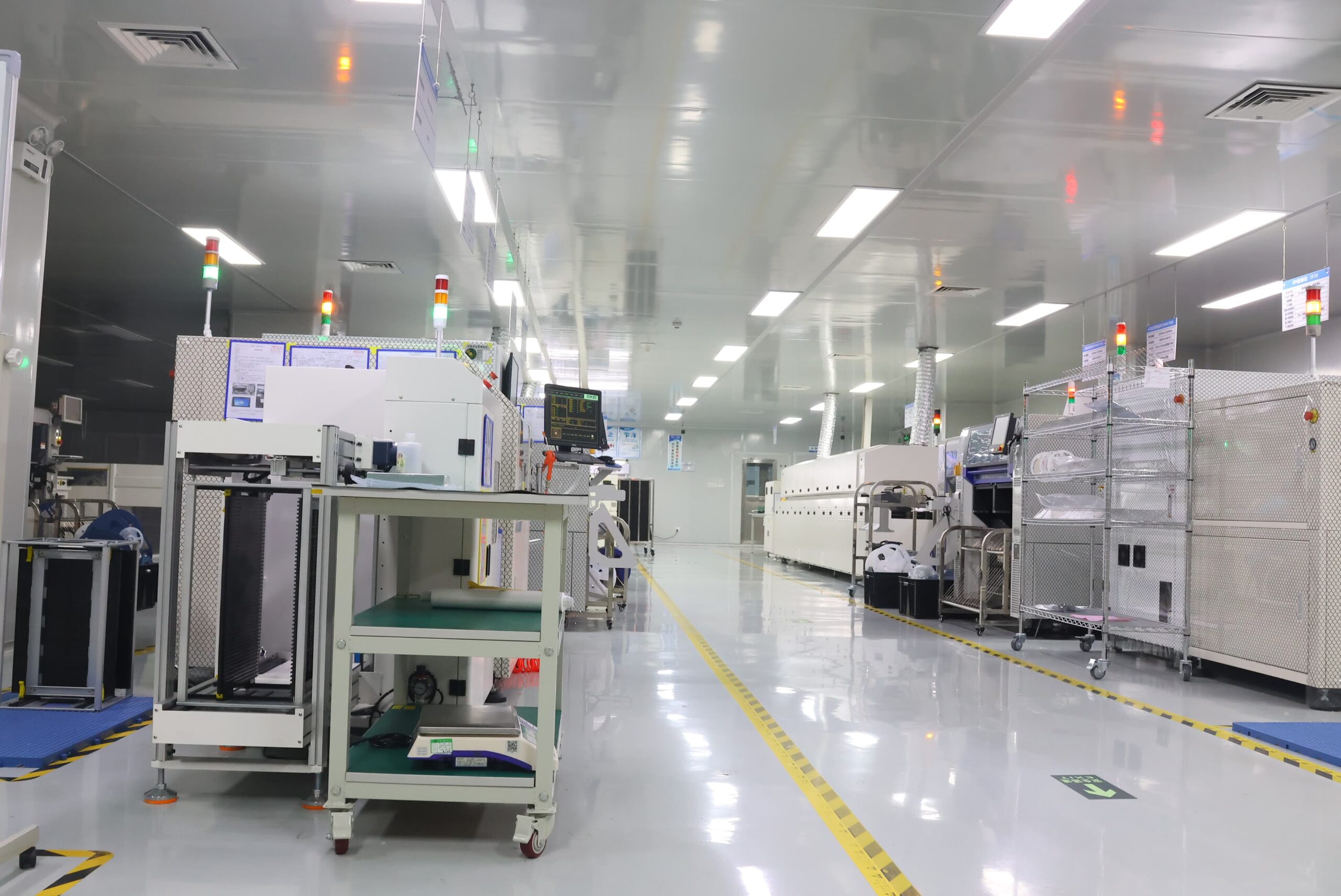
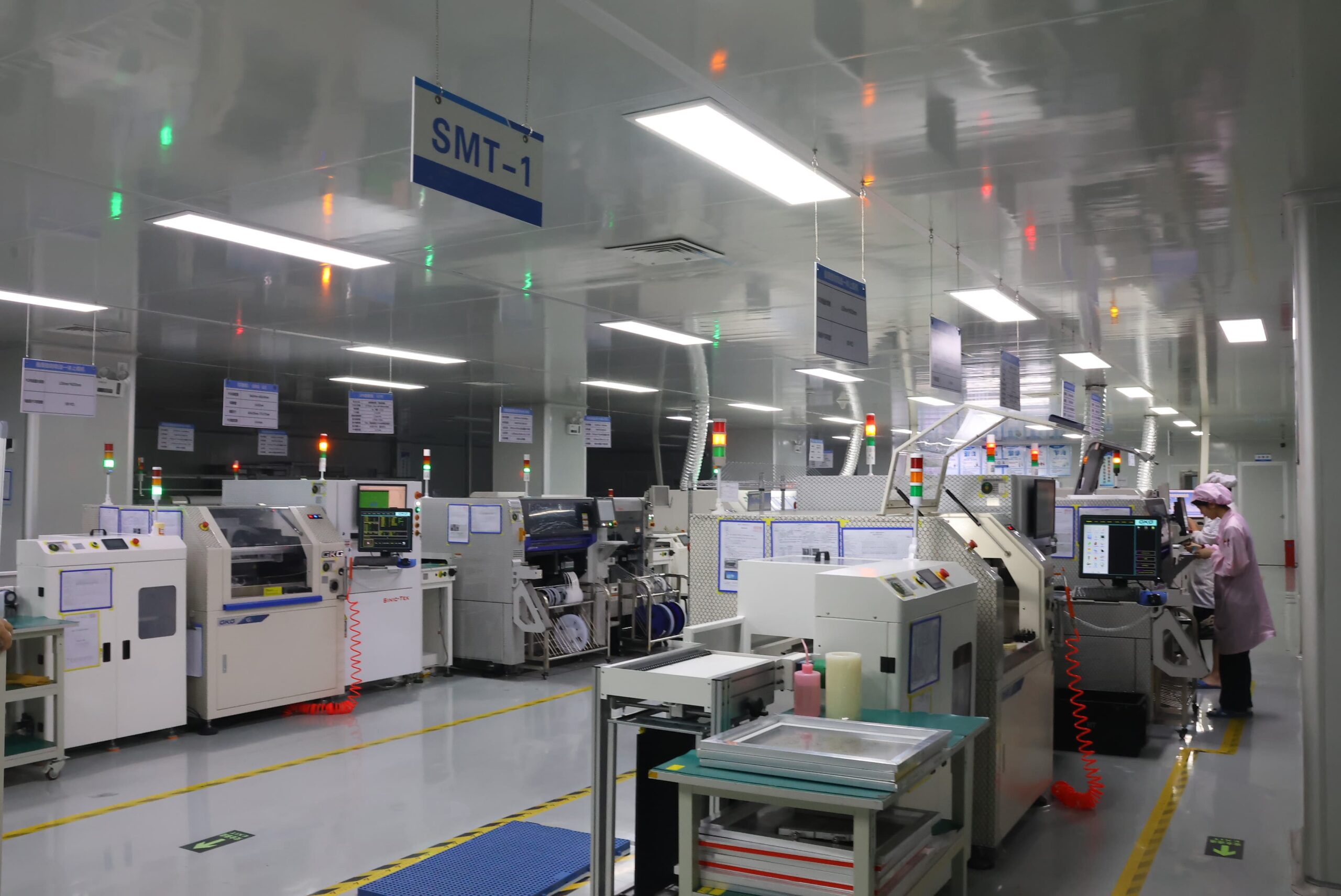
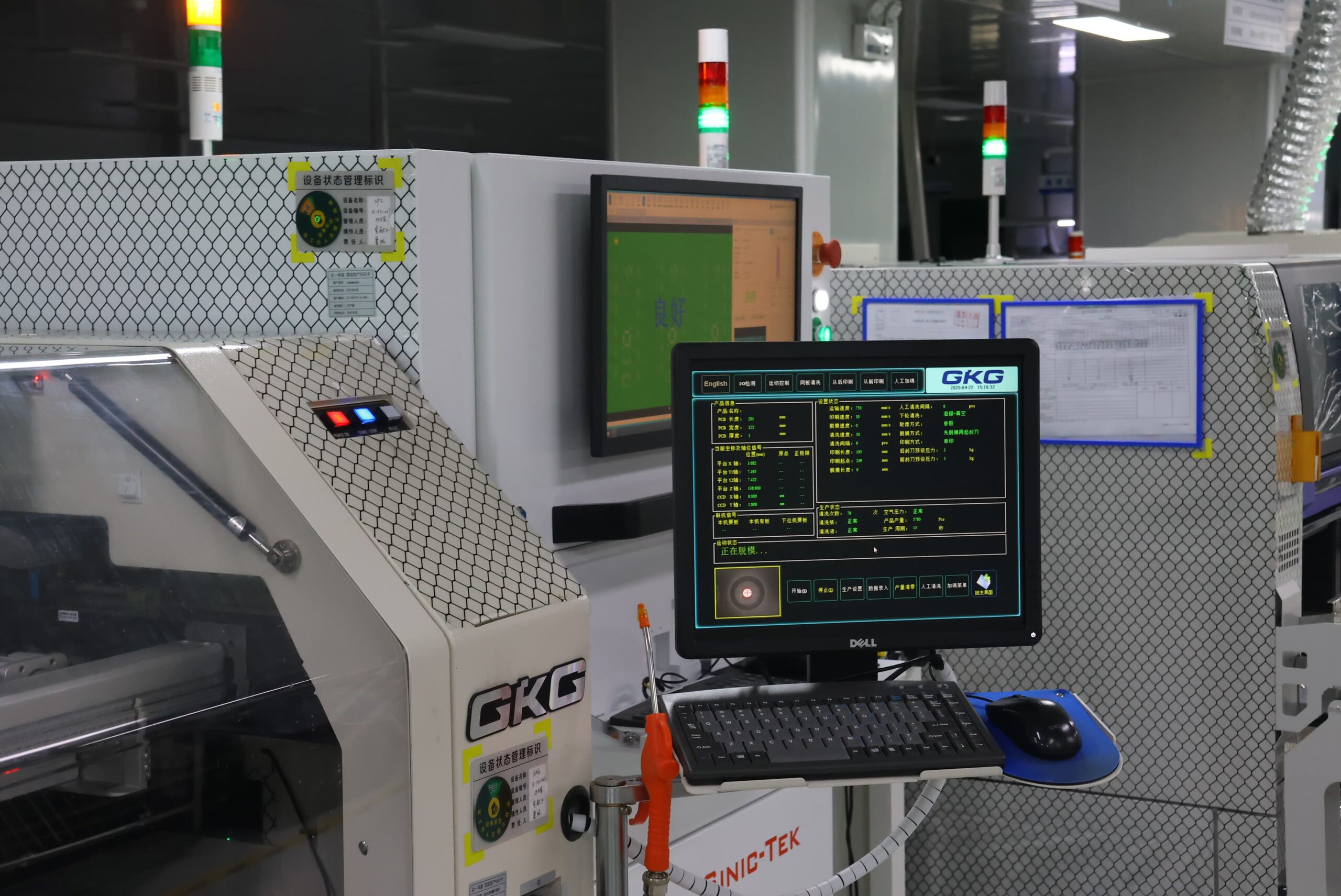
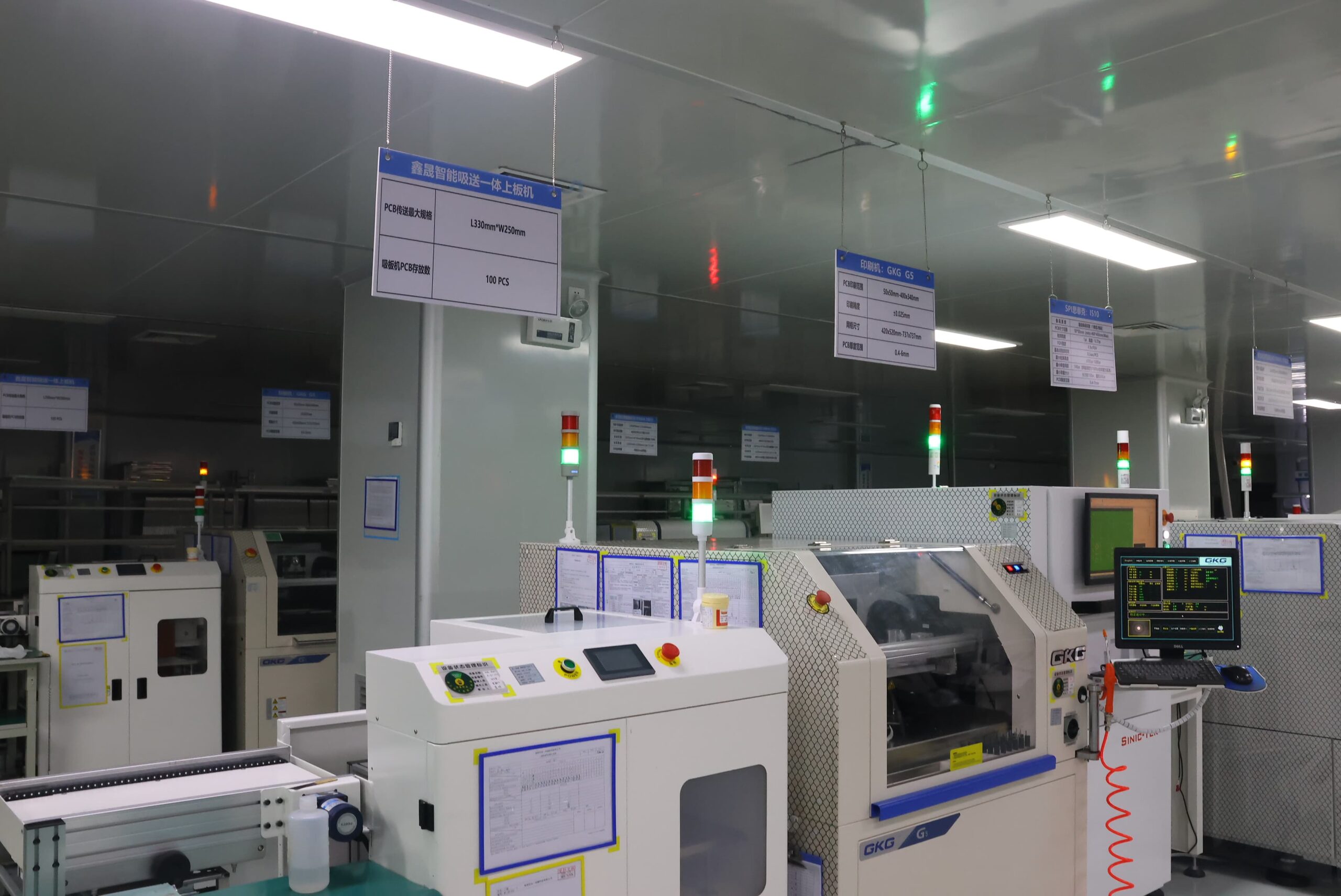
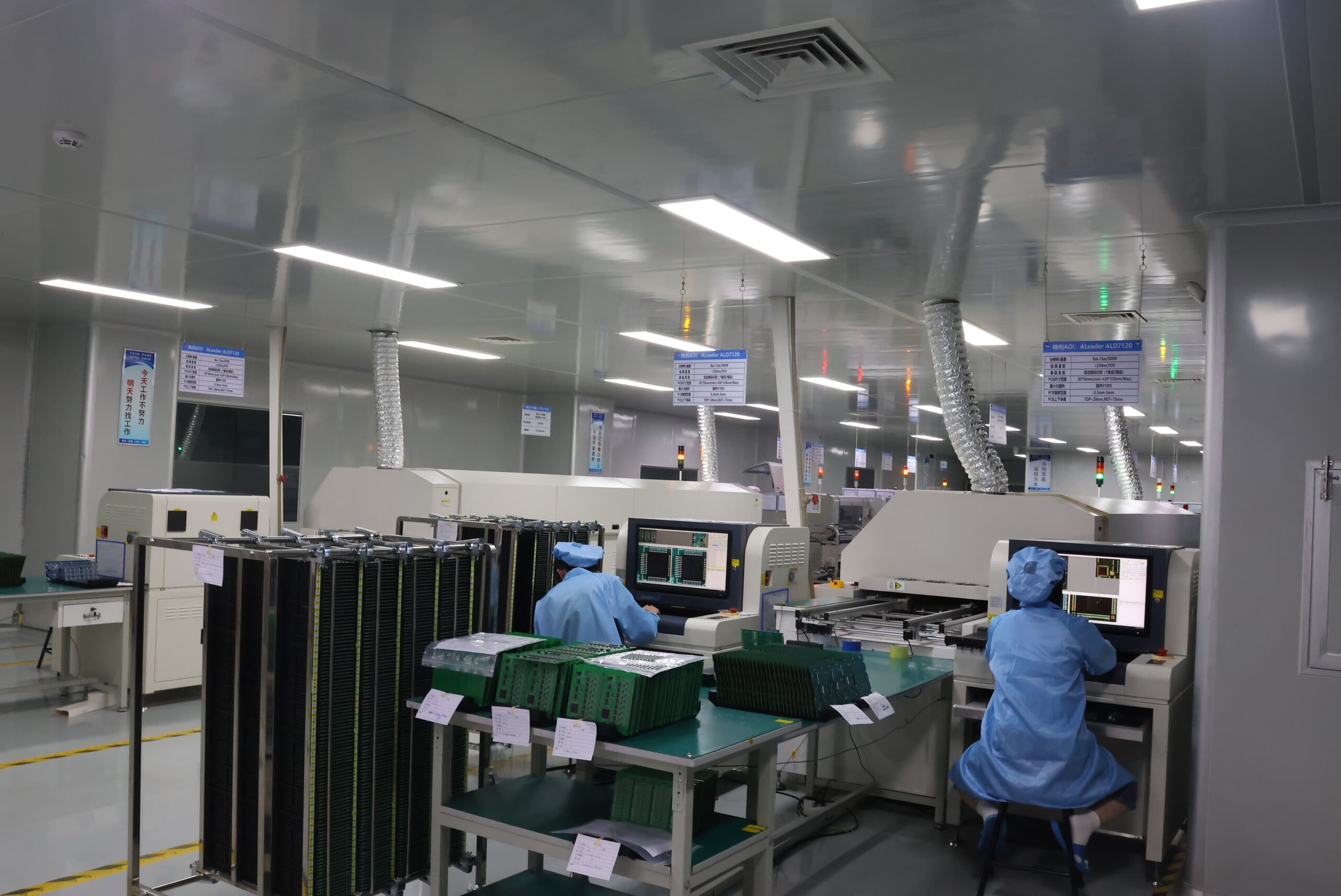
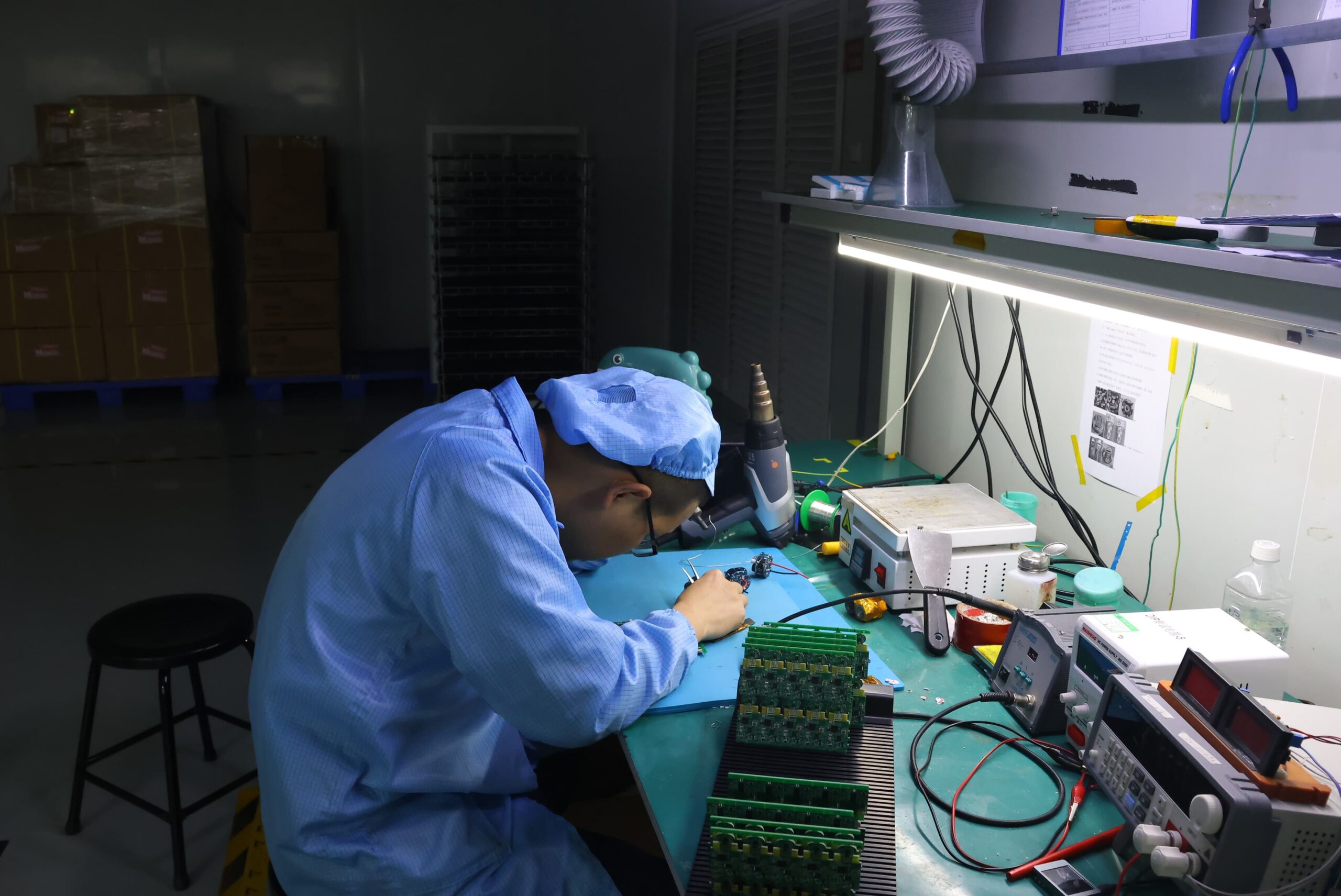
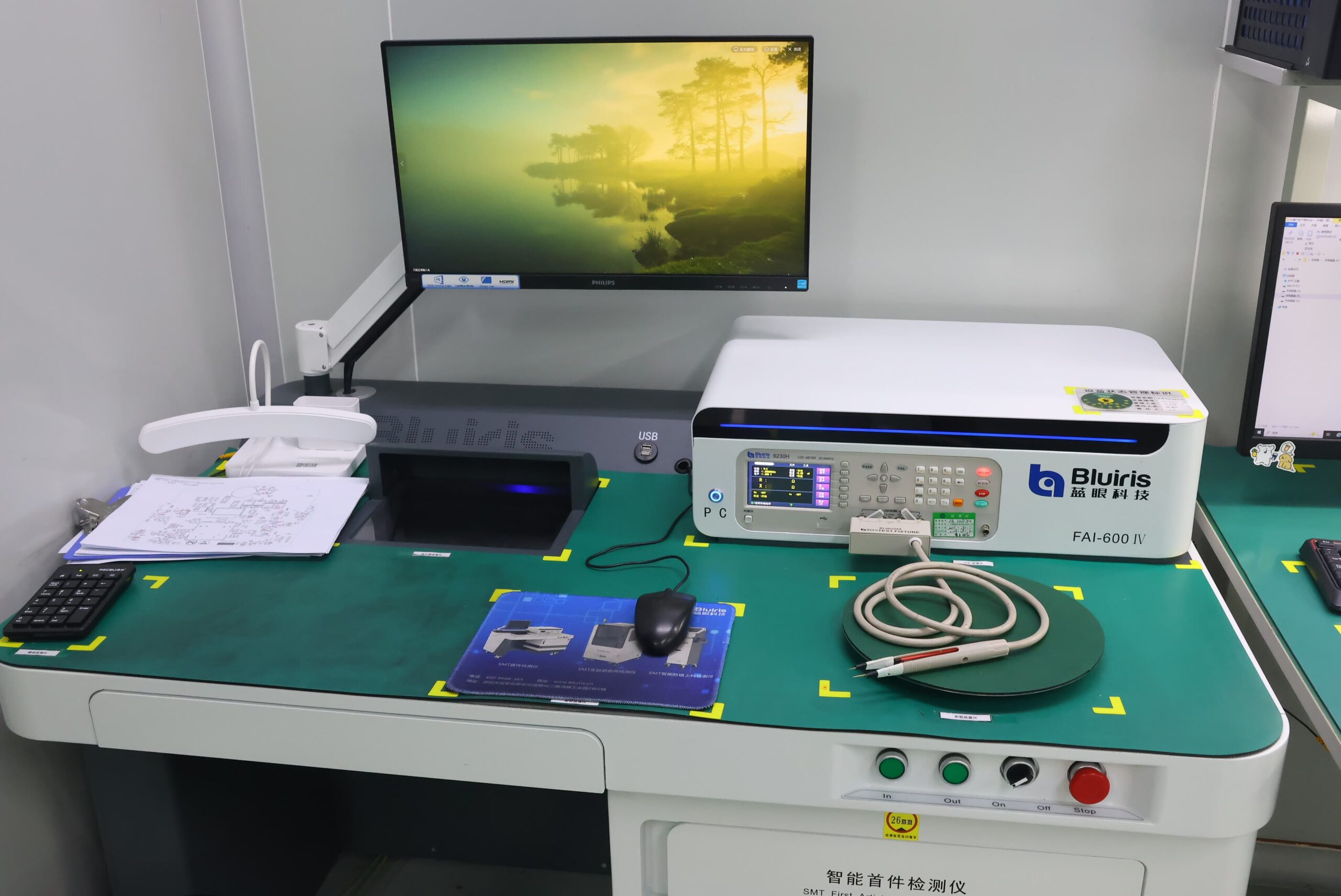
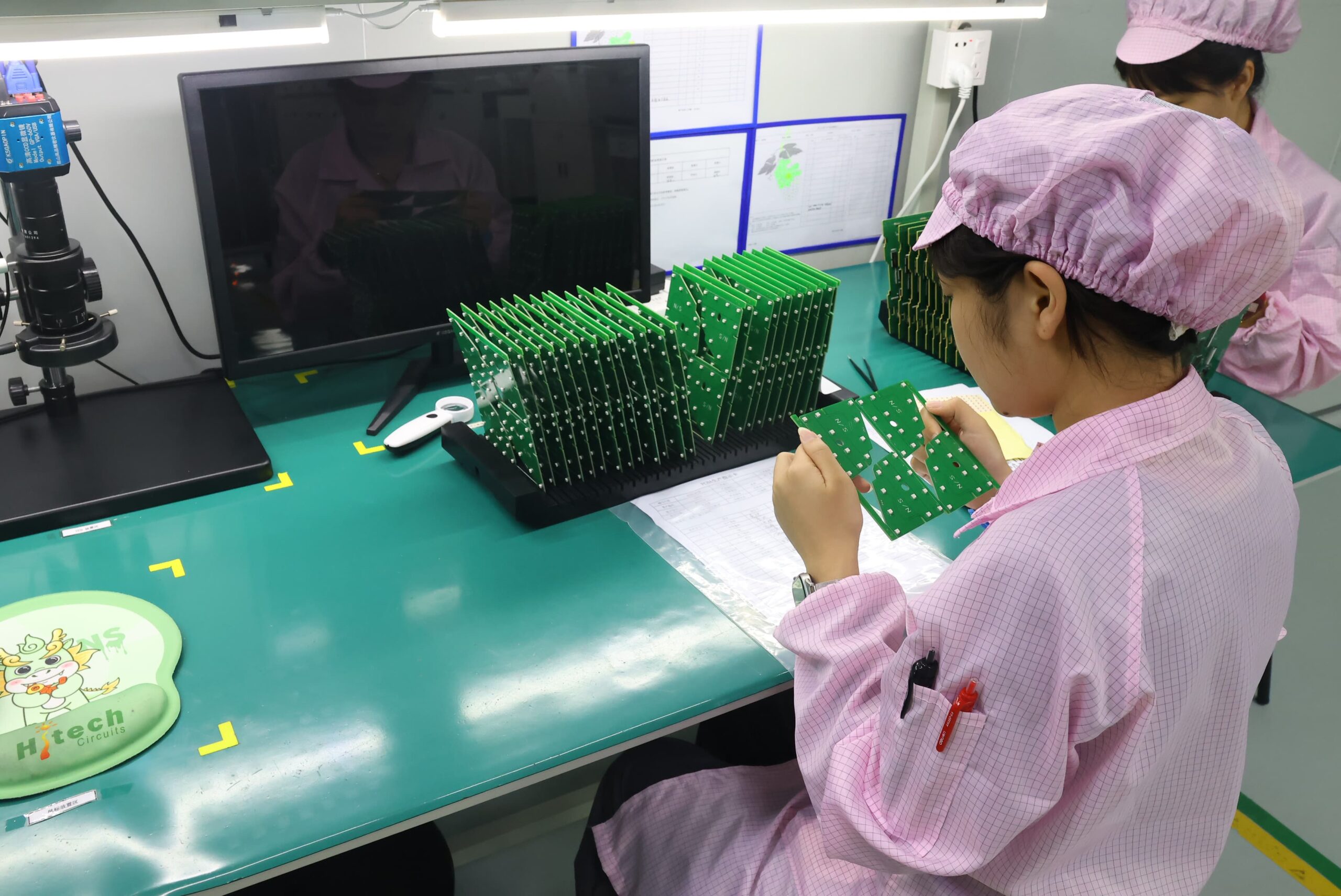
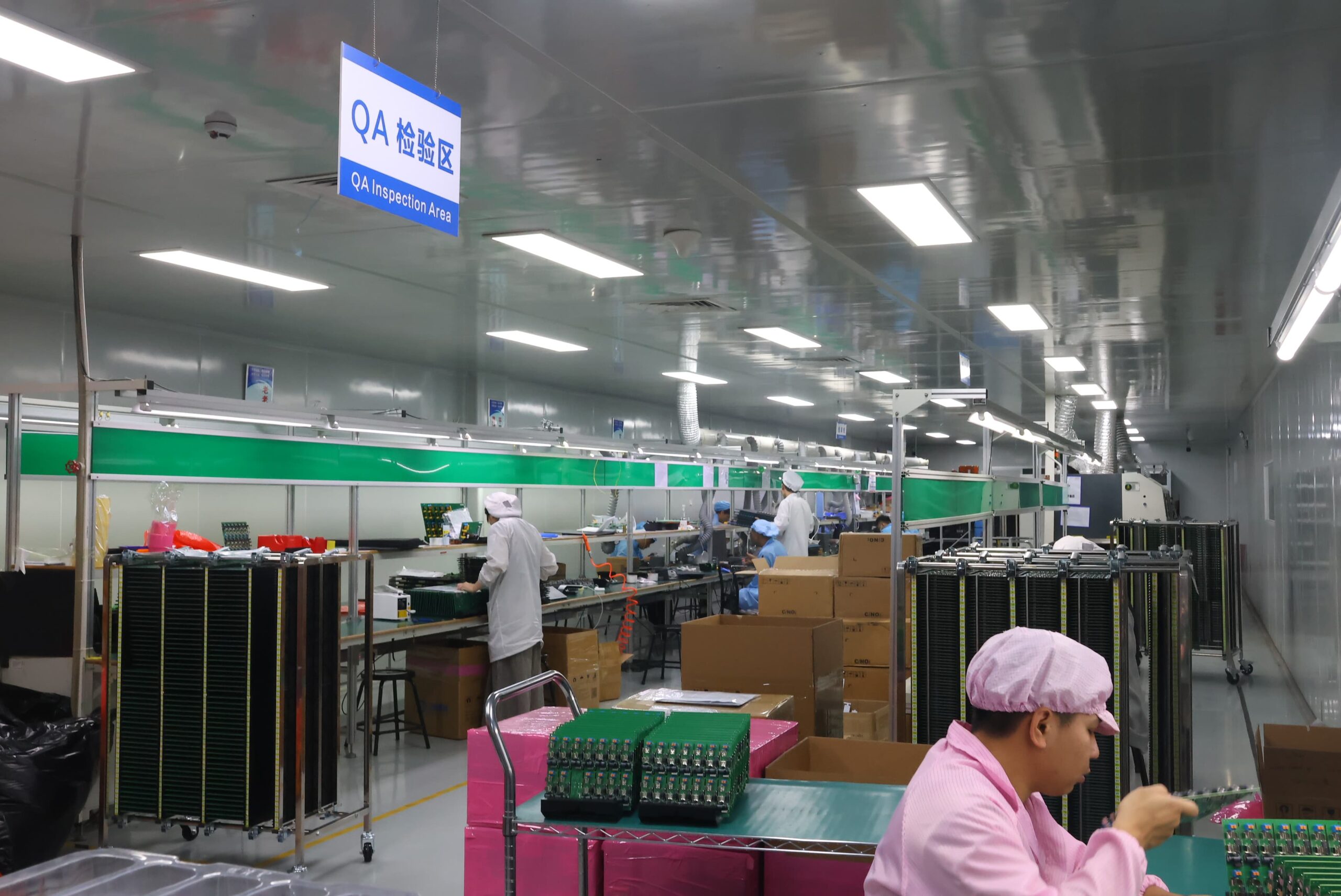
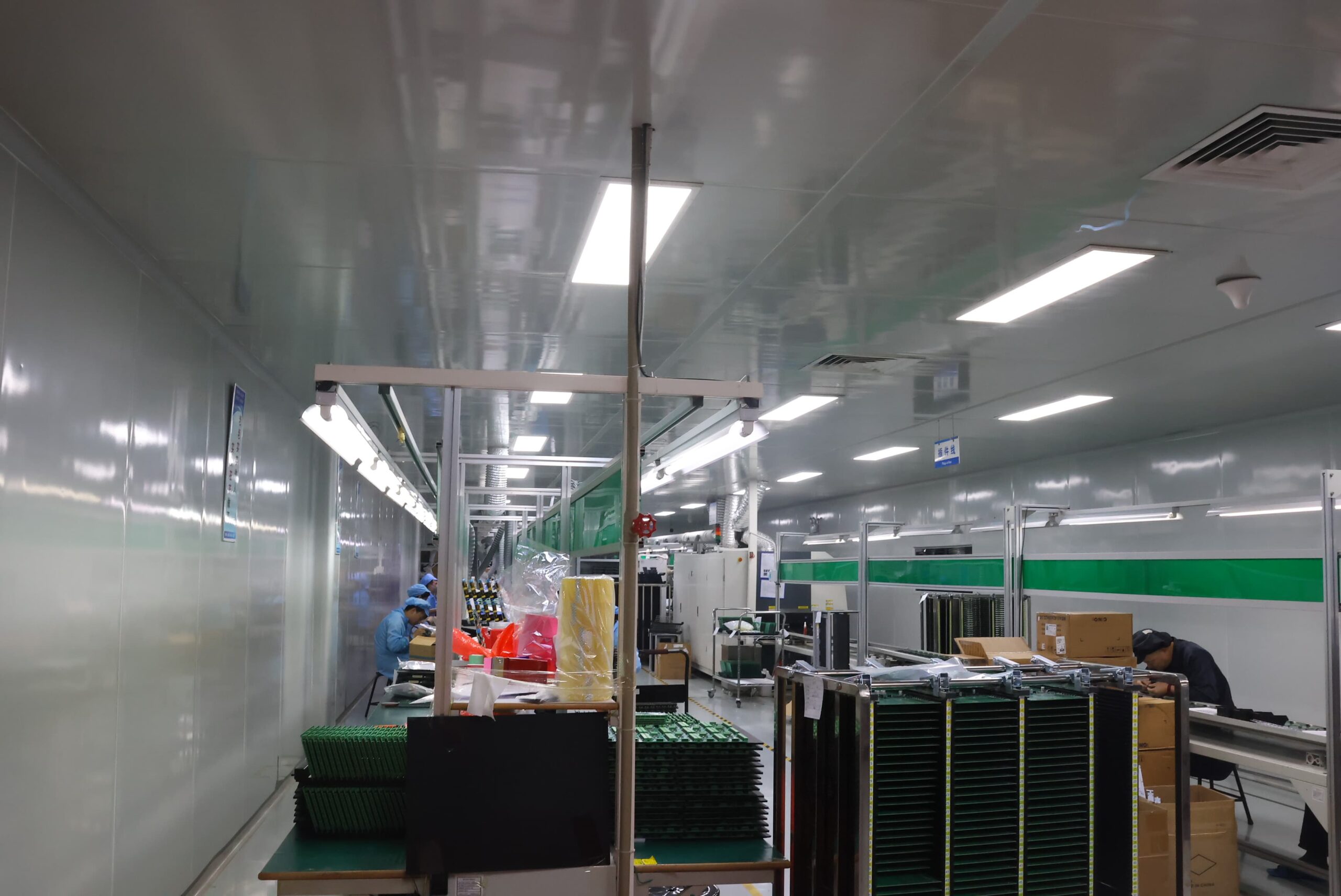
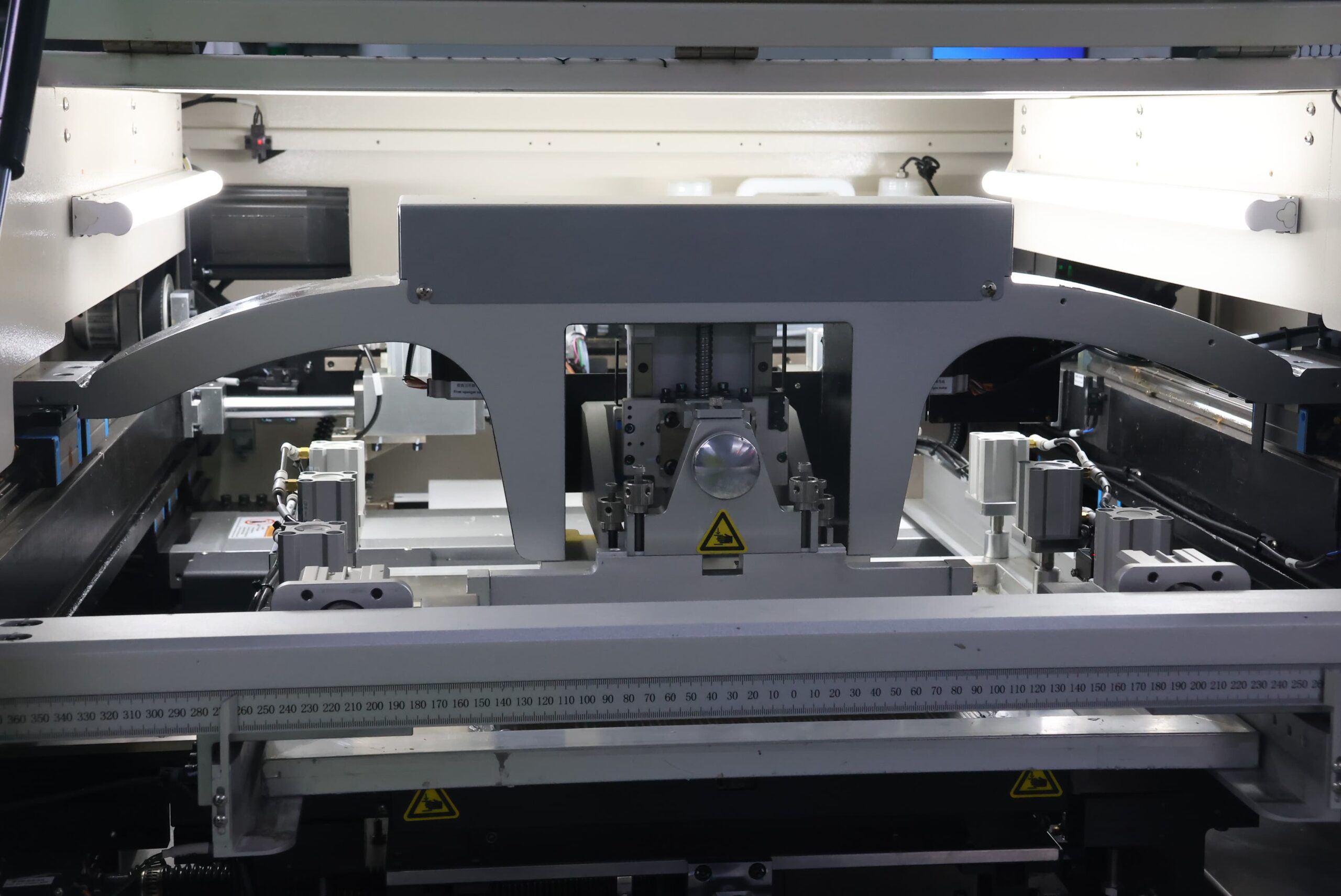
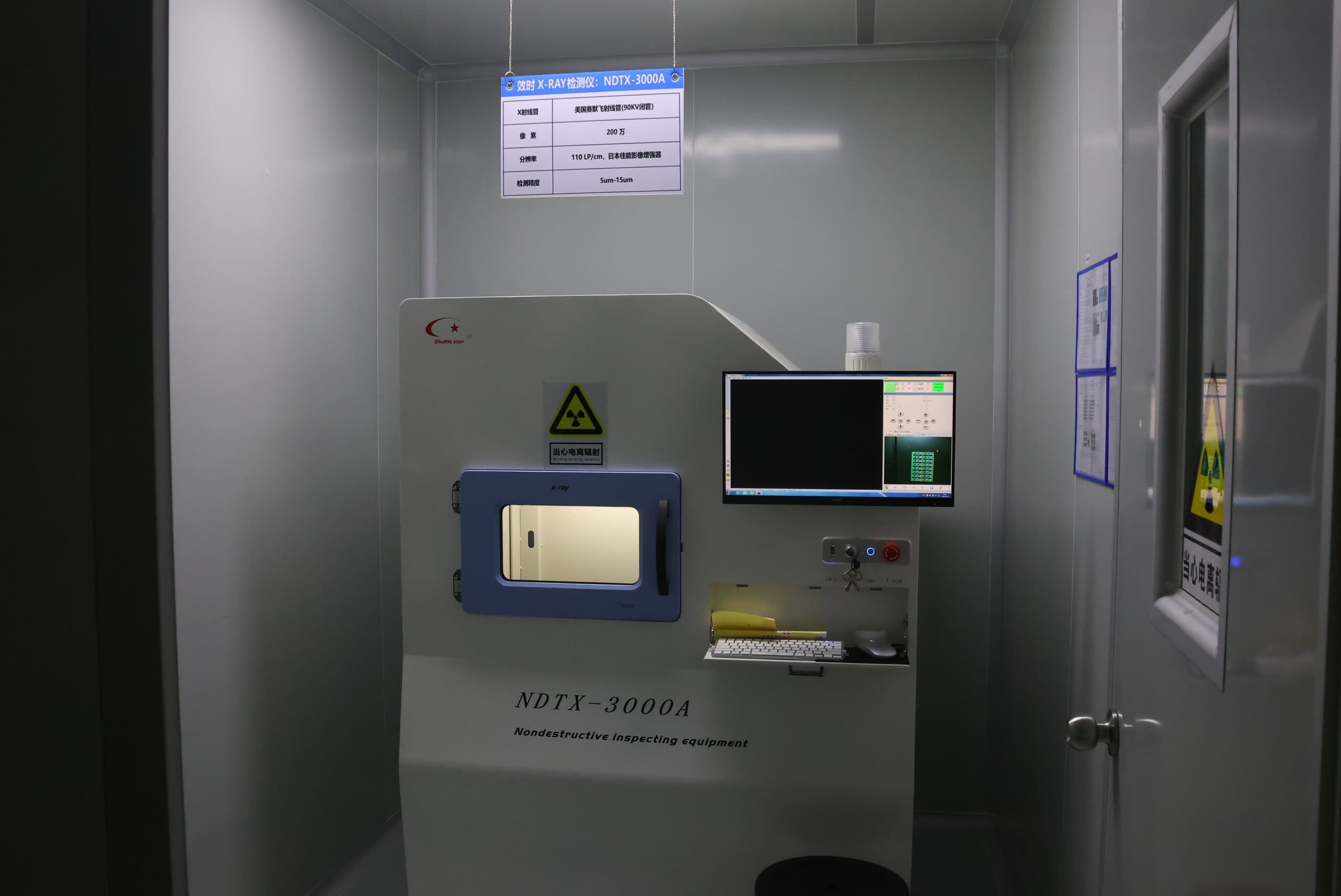
Our PCBA Production Lines
PCB Material Questions
The impedance model uses the design Dk specified for the exact supplier grade and construction. Process or specification Dk supports material control using the stated test method. The impedance model also requires the pressed dielectric thickness, glass style, copper thickness, and etch result. SUGA keeps the grade, frequency, method, resin/glass construction, and conditioning state linked to the selected value; therefore, an alternate material is not accepted based solely on a similar Dk value in a data sheet.
Lower Df changes the built channel when dielectric loss is a material part of the modeled loss budget. The SUGA modeling process combines the Df of the material with the copper profile, trace geometry, conductor resistance, connectors, vias, return-path continuity, and manufacturing variation. The completed channel is measured using the applicable coupon or insertion-loss structure.
If an alternate laminate has the same design Dk, pressed dielectric thickness, copper thickness, etch result, and stackup tolerances as the original construction, then the impedance can be preserved. If one of these factors changes, SUGA modifies the trace geometry or dielectric structure accordingly and tests the manufactured board with production coupons before accepting the alternate for repeat production.
Tg indicates the glass-transition region of the laminate resin, not the maximum temperature at which it may operate. High-Tg FR-4 is used in applications involving lead-free reflow, repeated thermal cycling, thick multilayer construction with high plated-hole stress, or elevated service temperatures where standard-grade FR-4 no longer provides an adequate margin. In these instances, a higher Tg does not by itself confirm acceptable z-axis expansion or via reliability, as both require direct measurement. Other factors that must be evaluated include Td, below- and above-Tg CTE, time-to-delamination, copper adhesion, hole structure, and the complete thermal profile.
A PCB core is made of fully cured laminate material and provides a fixed dielectric thickness and structural support. Prepreg is partially cured resin with reinforcement that flows, fills, bonds, and cures during the lamination process. The core and prepreg need to be specified together because glass style, resin content, pressed thickness, copper pattern, and supplier grade affect impedance, bonding, dimensional stability, and repeatability.
Halogen-free PCB material uses a laminate formulation that complies with the restricted-halogen limits specified in the applicable material requirement. It may be required by a customer standard, product substance specification, or market requirement. The halogen-free designation leaves Tg, Dk, Df, CTI, loss, and reliability undefined; therefore, the exact grade and construction still require engineering review.
A PCB RFQ should specify the required material family or exact supplier grade, whether alternate materials are allowed, the core/prepreg or stackup revision, finished thickness, copper weight and profile, glass style where relevant, impedance or insertion-loss targets, Dk/Df frequency and method, operating temperature, thermal or bending exposure, surface finish, halogen restrictions, and required certificates. Lot traceability, coupon requirements, and material-change approval should also be stated for repeat production. SUGA uses these inputs to verify material availability, compatible alternates, manufacturing conditions, and the documentation required for approval.