Upload BOM & Gerber
-
Mobile: +86 13312967631
-
Email: sales@sugaintl.com
PCB First Article Inspection Services
PCB FAI From Process Setup to Customer Approval
SUGA connects first-article PCB and PCBA evidence to one approved production configuration before the agreed production or shipment release gate. Inspection, programming, test, nonconformance, and approval records remain tied to the same first article and FAIR.
Forms 1–3 FAIR
Full + Partial FAI
SPI · AOI · X-Ray · Electrical · FCT
What Is First Article Inspection?
First Article Inspection (FAI) is a PCB inspection process used to ensure that a representative production item meets the specifications outlined in the approved product design, as well as the manufacturing conditions that will be used for future production units.
How Do FAI and FAIR Differ?
The primary difference between the two terms is that FAI is an inspection activity, while FAIR refers to the documentation produced as a result of FAI. During FAI, engineers identify the product’s accountable characteristics, use the planned inspection and test methods, manufacture a production item under the intended production conditions, and document the results. A first article is the production-representative item manufactured as part of this verification activity, not a prototype developed using another method.
The FAIR serves as the controlled record for the verification activity. It identifies the product and revision, links each accountable characteristic to its respective requirement and result, and documents the supporting material and process evidence associated with producing the first article. Each FAIR also includes the required verification, organizational approval, and customer approval fields.
What Does FAI Verify?
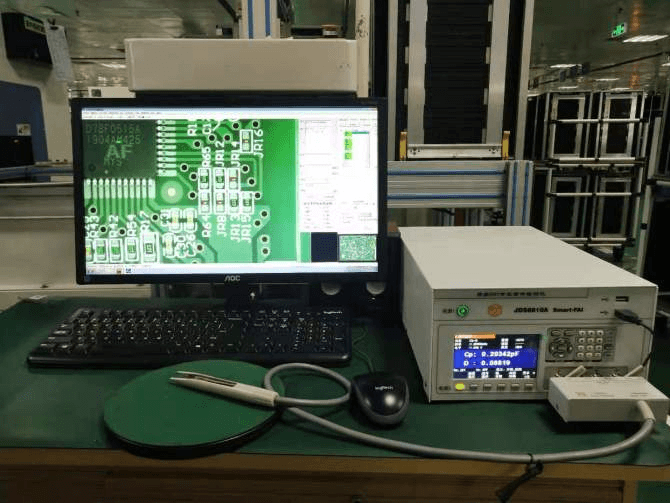
FAI verifies that the first article conforms to the approved requirements and that the intended manufacturing conditions can produce that result. Conformance to a validated dimension is not enough; the wrong material, program revision, or manufacturing process route is also unacceptable.
For bare printed circuit boards (PCBs) or finished printed circuit board assemblies (PCBAs), evidence of conformance typically includes revisions, bills of material (BOMs), component identities and orientations, solder-paste condition, placement, visible features and hidden connections, electrical connectivity, programmed configuration, and defined functional behavior. Finding a discrepancy allows corrective action before the remaining lot is produced.
How Does FAI Establish the Production Baseline?
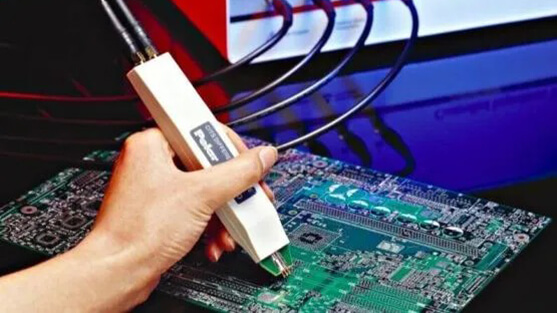
A first article that conforms to the approved requirements becomes the production baseline for future units. A baseline does not consist only of a passing board; it also includes the approved product revision, materials, programs, tooling, process settings, inspection methods, test requirements and results, and approval status that validate the result.
Subsequent units still require process control, traceability, inspection, and change management. If a design, material, source, location, program, tooling, process, or production condition changes, the team determines whether the approved baseline remains valid or whether the affected characteristics require renewed verification.
When Is First Article Inspection Required?
First Article Inspection may be required because of a new part, new manufacturing source, new production location, design or process change, production lapse, or customer requirement. The main consideration is whether the event creates a new manufacturing baseline or could affect an approved characteristic or production condition. The contract and quality plan identify the required evidence and approval authority.

New Production Baselines
A first production run must establish a new baseline when the part, source, route, or location has no valid approved FAIR. A new production baseline cannot be created until the drawings, specifications, tolerances, critical characteristics, materials, tooling, equipment, programs, and process settings represent the production-representative item.
Even if the part number has not changed, changing the source or location may affect tooling condition, process capability, personnel training, material control, and production responsibility. Engineers review drawings, purchase orders, contracts, and quality plans to determine whether FAI is required for initial production, a production transfer, or an agreed production or shipment release.
Change-Driven FAI Range
Not all changes require the same inspection range. Engineers identify which characteristics or production conditions may be affected by the change. A material substitution can affect soldering or thermal behavior. A tooling or equipment change can alter geometry or setup. A program or embedded-software revision can change placement, programmed configuration, test interpretation, or product behavior.
The engineer also reviews indirect effects. Moving a component can change solder access to adjacent components. A stencil revision can affect paste deposits across multiple packages. A source change can affect certificates, special processes, or traceability. Once the affected characteristics are identified, the team determines whether a Full or Partial FAI is required under the approved quality plan.
Production Lapse Triggers
A production lapse can require renewed verification even when the drawing revision has not changed. Under AS9102C, a two-year lapse requires evaluation and renewed FAI for characteristics that may have been affected. Tooling condition, program control, operator practices, material controls, and equipment configurations may no longer match the previous production run.
When customers specify different lapse periods, those conditions are defined in the contract and must be followed. Contract terms may also require additional forms, source inspection, sampling, digital-product-definition controls, or approval steps. SUGA applies the customer’s contract requirements to the applicable product revision and affected characteristics.
Who Confirms the FAI Trigger?
| Function | Technical Control | FAI Decision |
|---|---|---|
| Design engineering | Drawing / DPD; specifications; tolerances; CTQ characteristics | Confirms technical baseline; resolves design ambiguity |
| Customer authority | Contract; quality plan; acceptance rules | Defines submission content, approval authority, and production decision |
| Manufacturing | Production-representative item; materials; process records | Maintains approved conditions; contains and corrects nonconformance |
| Manufacturing engineering | Tooling; equipment; programs; process settings | Determines whether process, equipment, or location changes affect the baseline |
| Quality engineering | Characteristic plan; FAIR; NCR; corrective-action records | Sets FAI range; checks completeness; coordinates organizational approval |
| Metrology / test | Method; equipment ID; calibration | Confirms capability and traceability |
Production Baseline Process
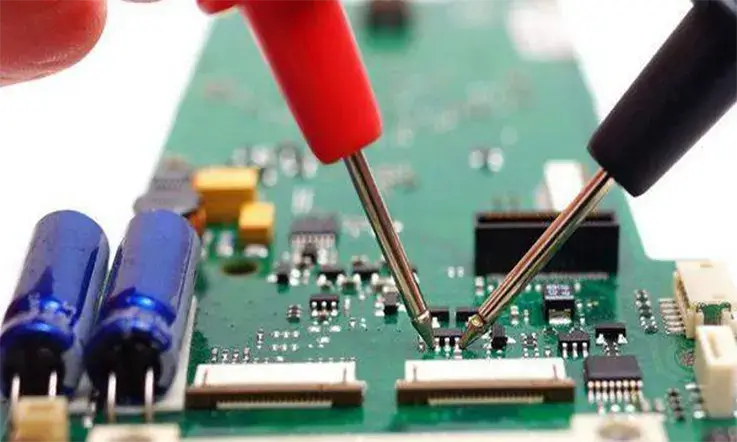
FAI involves four interdependent stages: prepare a technical baseline, build a production-representative item, perform the planned inspections and testing, then correct any failure and obtain the required approvals.
Which Technical Data Defines the FAI?
The FAI plan takes the current approved drawing or digital product definition (DPD), Bill of Materials (BOM), CAD data, material and process specifications, hardware revision, software revision, and acceptance limits and converts them into accountable characteristics, measurement methods, equipment, and assigned responsibilities.
A current drawing paired with an old BOM, placement program, firmware or bootloader, or test program does not describe a single controlled product. Dimensional requirements need capable measurement methods; material and special-process requirements need applicable records; electrical and functional requirements need controlled procedures and acceptance limits. The plan also assigns responsibility for any nonconforming result.
What Must the Customer Provide Before FAI?
Before first-article manufacture, SUGA confirms receipt of the released drawing or digital product definition and revision, BOM and AVL, fabrication and assembly data, approved substitutions, firmware or bootloader files, programmable-device data, inspection and functional-test procedures, acceptance limits, sample quantity, FAIR format, and contract quality clauses. The customer must also identify the approval authority and whether approval permits continued production, shipment, or both.
Open conflicts must be resolved before the first article enters the controlled route. Examples include a drawing revision that does not match the BOM or test program, undefined functional acceptance limits, missing authorization for an alternate component, or a sample plan that does not provide sufficient samples for destructive testing. A technically acceptable board may produce a FAIR, but the FAIR cannot be approved without sufficient supporting evidence.
Production-Representative Manufacturing
The first article must be built using the materials, programs, tooling, equipment, and process settings intended for subsequent production. A hand-built prototype, substitute material, temporary tooling, or different test route establishes a different production baseline.
For PCB assembly, the recorded configuration can include the stencil, solder paste, placement program, thermal profile, assembly program, hardware revision, and programmed configuration. Any departure from the planned route must be resolved before the results can support future production because the evidence must reflect the conditions under which the article was built.
How Is the Inspection Plan Executed?
Each inspector applies the specified technique and acceptance limit to every planned characteristic. Inspectors document actual values when quantitative verification is required and may document attribute results only when the requirement and method permit them. Checks may include visual, dimensional, material, electrical, functional, and product-specific checks. Each type of check answers a different question.
Calibrated dimensional and optical equipment verifies geometry and visible features. Electrical checks verify continuity, connectivity, or defined circuit behavior. Functional testing verifies performance within the stated operating range by checking inputs, loads, interfaces, timing, firmware, and responses. Results are linked to the characteristic ID, board identity, method, and equipment or procedure reference.
Corrective Action and Final Approval
Any failed characteristic places approval of the affected range on hold. Quality records the nonconformance and proposed disposition, while engineering determines whether the cause lies in the design, material, tooling, program, equipment, process, or test method.
Once a correction is made, the affected and related characteristics are reinspected under the applicable Full or Partial FAI. A contractually accepted deviation requires design and customer approval. The NCR alone is not sufficient to release production. Approval is complete only when the results, disposition or correction, reinspection, organizational verification, and customer decision are complete for the stated range. Once approved, the FAIR becomes the baseline for future production and change decisions.
FAIR Structure and Traceability
A FAIR is of limited value if a reviewer must guess how the submitted configuration links to an accountable characteristic, its requirement, recorded result, supporting method or report, nonconformance, and approval status.
Form 1 establishes accountability for the part number and configuration, including the part and drawing revision, FAIR Identifier, manufacturing-process reference, Full or Partial status, baseline reason, documented nonconformance, verification, organizational approval, and customer approval.
Form 2 provides accountability for materials, specifications, special processes, supplier or certificate references, and functional-test evidence. Form 3 links each characteristic number and reference location to the requirement, recorded result, designed or qualified tooling where applicable, and nonconformance number. Inspection methods, equipment references, and detailed reports are included in customer-defined fields or traceable attachments when required by the approved FAI plan.
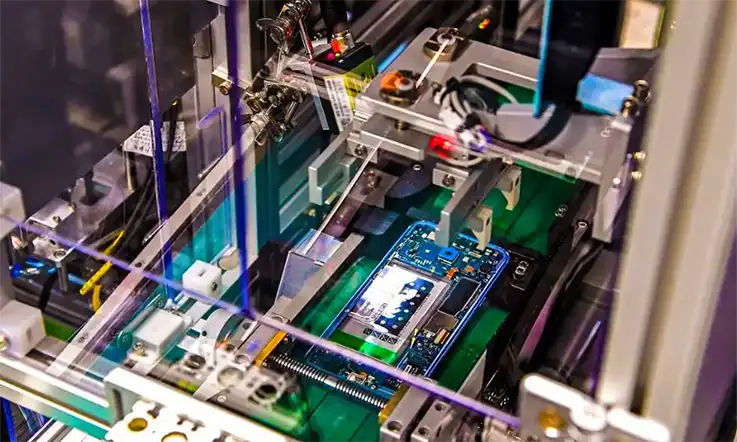
How Does Each Characteristic Link to a Result?
Each accountable characteristic is assigned a controlled identifier on a ballooned drawing, annotated model, note index, specification index, or equivalent index. This identifier links the design requirement to the recorded result entered on Form 3 or to a clearly referenced inspection report. Actual values are recorded when required; attribute results are used only when the requirement and approved method permit them.
Supporting records must keep the method visible so reviewers can distinguish dimensional, visual, electrical, functional, certificate, and other approved evidence. Embedded or deliverable software that forms part of the approved product definition must be identified by revision.
Supporting records must identify the inspection or test equipment, calibration status, material and special-process certificates, software revision, functional-test procedure and report, and board-linked images or data files. Calibration or software evidence filed under an incorrect FAIR Identifier is not linked to the article because the reviewer cannot confirm whether it belongs to that article or another production run.
FAIR Characteristic Indexing
An annotated digital model, another controlled index, or ballooned drawing can indicate the same location points when customer requirements and the applicable AS9102 revision permit it. Every accountable characteristic must be uniquely traceable to its requirement and documented result. A documented characteristic is traceable to either a Form 3 entry or a referenced inspection report. The locator enables the detection of omitted, duplicated, or unlinked characteristics without imposing a universal row structure on every inspection result.
Nonconformance Status
AS9102C Form 1 indicates whether a FAIR contains documented nonconformance. The FAIR retains the affected characteristic, NCR reference, disposition, correction or authorized deviation, reinspection, organizational verification, and customer decision. A documented nonconformance does not authorize production release; it remains open until the correction and reinspection are complete or the design and customer authorities approve the deviation.
A retained FAIR includes the verified and approved dates, accepted FAIR revision, and associated change history so that a future Full or Partial FAI decision is based on the correct baseline.
FAIR Standards
The current published aerospace first article inspection revision is AS9102C. SUGA prepares the FAI plan and FAIR to AS9102C or to the revision explicitly stated in the customer contract. AS9100D, ISO 9001:2015 with Amendment 1:2024, and ISO 13485:2016 establish quality-system controls; however, they do not replace FAI requirements defined by contract.
Which AS9102 Revision Applies?
The applicable AS9102 revision is established by the contract. The contract also defines any additional forms, characteristic classes, sampling rules, digital-product-definition requirements, source inspection, submission format, and approval steps. SUGA documents these conditions and the named approval authority before manufacturing the first article.
Drawing notes, purchase-order requirements, statutory controls, and the project quality plan are included in the requirement set. The customer specifies whether approval is required before continued production, shipment, or both.
| Standard / Flow-Down | Applicability Trigger | Required Record Set |
|---|---|---|
| AS9102C or contract revision | Aerospace, space, defense, or explicit AS9102 flow-down | FAI plan; production-process verification; Forms 1–3; characteristic results; documented nonconformance; retained approvals |
| AS9100D context | Aerospace QMS or customer production-verification flow-down | Configuration control; calibrated resources; traceability; NCR and corrective action; retained production-verification records |
| ISO 9001:2015 + Amd 1:2024 | ISO 9001-based process and record controls | Controlled product information; competent inspection; verified resources; retained results; nonconformity and corrective-action records |
| ISO 13485:2016 | Medical electronics with customer, regulatory, risk, or quality-plan FAI controls | Revision and component traceability; process-validation references; inspection/test results; software configuration; approvals |
| Customer additions | Extra forms, characteristic classes, sampling, DPD rules, source inspection, or approval steps | Customer-defined forms, characteristic classes, sampling, DPD rules, source inspection, submission format, and approval steps incorporated into the FAI plan and resolved before first-article manufacture |
Quality-System Controls
ISO 9001 and AS9100D confirm that production is managed through a certified quality system. However, a certified quality system audits process discipline, not whether a specific first article matches the approved product definition. A supplier can hold current certification and still produce a FAIR under an incorrect BOM revision. The certified quality system does not define the FAIR forms, inspection range, sampling, or approval authority. Only the contract’s FAI flow-down defines these requirements.
Medical FAI Controls
Process validation supports confidence in the manufacturing process. FAI records document whether a production-representative article meets its defined characteristics and configuration. Both process validation and FAI records may be required, but one does not replace the other.
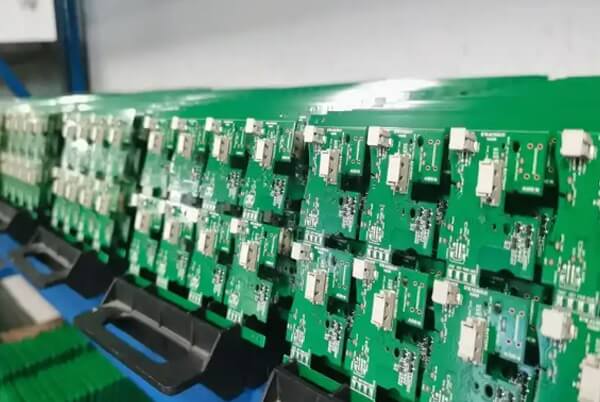
First Article Inspection for PCB Assemblies
For PCB assemblies, the PCB FAIR identifies the submitted board revision, BOM, assembly programs, programmed configuration, inspection results, test reports, NCR status, and approval record as one production-representative configuration.
| FAI Control | Inspection / Test | Traceable Result | Release Decision |
|---|---|---|---|
| Bare PCB revision | Fabrication data / DPD; stackup; material; dimensions; holes; finish; impedance; bare-board electrical result | Fabrication revision; material/process record; dimensional/electrical result; supplier record | Approved bare-board construction used for assembly |
| BOM and assembly configuration | BOM / AVL; component identity; polarity; hardware revision; assembly drawing; approved substitutions | Controlled BOM; component traceability; deviation; first-article configuration | Inspection and test results belong to the correct board configuration |
| Solder-paste printing | Stencil and paste setup; SPI | Board side; pad/region; program revision; measured paste result; acceptance limit | Print setup supports the intended assembly condition |
| Placement and visible workmanship | AOI / 3D AOI / visual inspection | Location-linked placement, polarity, visible-joint, and workmanship result | Visible assembly characteristics conform |
| Obscured solder connections | X-ray for BGA, QFN, bottom-terminated, shielded, or otherwise obscured joints | Package/location image; interpreted result; acceptance limit | Connections not visible optically receive documented assessment |
| Connectivity and programming | Electrical test; firmware / programmable-device ID; revision; checksum or equivalent | Board-linked connectivity result and programmed-configuration record | Electrical and software result matches approved hardware |
| Defined functional behavior | FCT under stated input, load, interface, firmware, timing, and response limits | Procedure ID; actual/attribute result; report reference; final status | Specified board behavior is demonstrated |
| Nonconformance closure | NCR; correction; reinspection; FAIR status; organizational and customer approval | Characteristic/test-item closure linked to FAIR Identifier | Approve the first article or require further evidence |
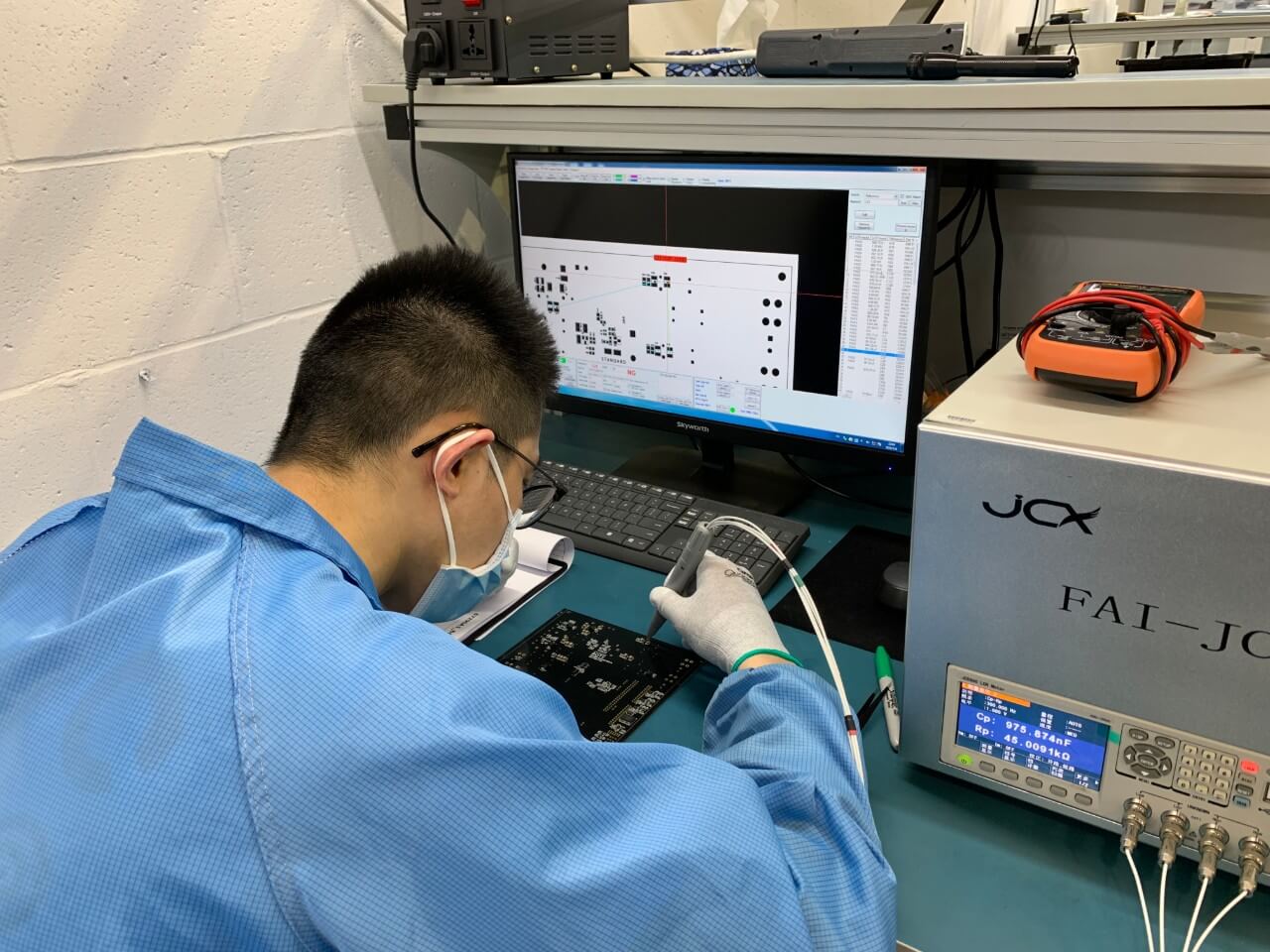
Board Configuration Alignment
A typical FAIR failure is having a revision chain that lists each item as valid but does not describe one complete board assembly. For example, the fabrication revision may match the drawing but not the Bill of Materials (BOM), placement file, programmed configuration, or test program for that release. Therefore, if any one of these records has a different revision, most commonly the placement file or programmed configuration, the entire board-level result is invalid regardless of how many other checks passed.
Assembly Feature Inspection
X-Ray coverage is defined based on the risk associated with the package and joint. An image that does not identify the board, package location, acceptance criterion, or interpreted result is supporting imagery rather than an accountable FAI result. Separate electrical or functional evidence is required for connectivity, programmed configuration, or functional behavior.
Board Operation Testing
Electrical or functional test results are not valid if the fixture, applied load conditions, firmware, bootloader, programmable-device file, or test-program revision does not match the approved test definition. Each result must include the board identity, procedure or program revision, applied conditions, and acceptance limits.
Approval Traceability
A reviewer should be able to retrieve the same result using the board identity, FAIR Identifier, characteristic number, package location, or test item. Therefore, the reviewer verifies the revision of each record individually to ensure that there are no discrepancies. A passing summary may still contain one or more records with an obsolete revision.
What Causes a PCB FAIR to Be Rejected?
Common causes of PCB FAIR rejection include mismatched drawing, BOM, fabrication, placement, firmware, or test-program revisions; characteristic numbers that do not match the controlled index; pass-only entries where actual values are required; missing material or special-process references; and an assembly FAIR that does not identify applicable lower-level FAIRs.
Inspection attachments can also fail due to missing information or context. An X-Ray image must identify the board, package location, acceptance criterion, and disposition. A functional report must include the procedure, fixture, load condition, firmware, test-program revision, measured or permitted result, and final status.
Open NCR correction or reinspection and the use of temporary materials, tooling, or programs not intended for production also prevent the package from establishing an approved baseline.
Full vs. Partial FAI
Use Full FAI when the project requires a new baseline. Use Partial FAI when a documented change affects a defined set of characteristics and the remaining approved FAIR remains valid. Detail part, subassembly, and final assembly describe product-accountability levels, not different FAI range types. A temporary or unresolved condition is an open status, not a separate range.
| FAI Type | Trigger | Coverage and Baseline Link | Required Record |
|---|---|---|---|
| Full FAI | New part, route, configuration, qualifying lapse, invalid prior baseline, or no valid FAIR | All accountable characteristics at the stated product level; creates a new baseline | Complete characteristic results; material/process/test records; NCR references; verification; approvals |
| Partial FAI | Documented change with a still-valid unaffected baseline | Changed and directly/indirectly affected characteristics; unchanged results link to the valid FAIR | Change reason; impact rationale; new results; NCR references; approval for the stated range |
| Customer “Delta FAI” | Customer uses delta terminology for a change-focused submission | Affected-characteristic range linked to the valid baseline | Customer terminology only; formal AS9102C range remains Full or Partial |
Full FAI
“Full” describes complete characteristic accountability at the applicable product level; it does not prescribe one universal number of physical samples.
Partial FAI Characteristics
The engineering task is to evaluate the indirect effects of changes. These effects may be caused by a material, source, location, tool, program, equipment, process, or embedded-software change. Earlier results remain valid only when the supporting requirement and production condition are unchanged.
For example, replacing a voltage regulator with an approved alternate does not limit Partial FAI to checking the new part number. An impact review may include pad compatibility, polarity, stencil aperture and paste response, neighboring placement, thermal behavior, programmed settings, power-rail limits, and affected functional-test results. Only characteristics supported by unchanged requirements and production conditions remain linked to the earlier FAIR.
Characteristic Ownership
Product level and FAI range are separate decisions. A detail part, subassembly, or final assembly can require either Full or Partial FAI. Assigning each characteristic to one owning level avoids duplicate inspection, while the assembly index preserves the applicable lower-level FAIR Identifiers and assembly-specific results.
Purchased commercial items, modified catalogue items, materials, processes, and software remain in the evidence location required by the approved product definition and customer requirements. A deviation, missing record, or nonconforming characteristic remains open until correction and reinspection are complete or a contractually valid disposition is approved.
PCB Assembly Applications
PCB assembly applications may use similar inspection methods across industries, but the configuration or test conditions that invalidate a FAIR vary by product. These applications focus on the records and acceptance conditions most likely to break traceability.
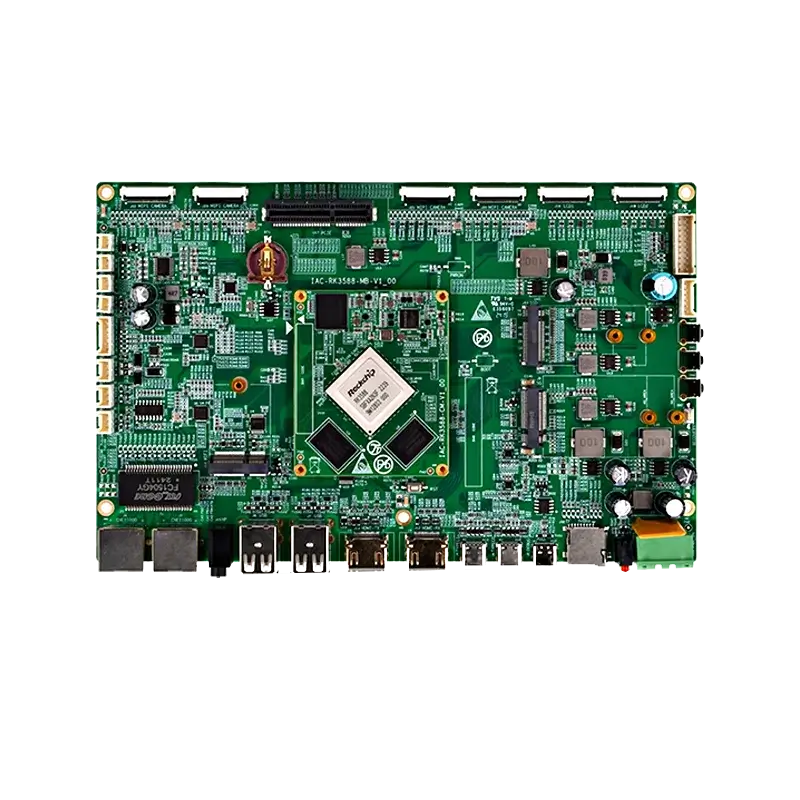
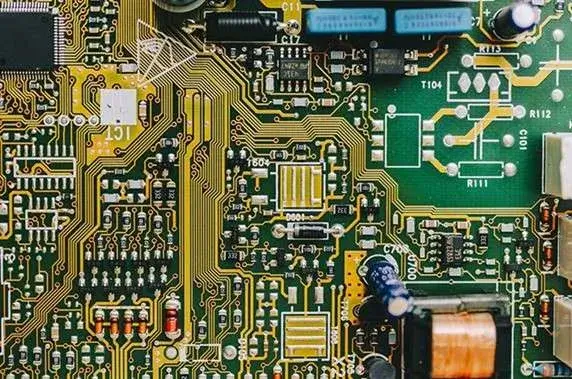
Automotive Control Modules
An Automotive Control Module may fail First Article Inspection when the ECU hardware revision, controlled Bill of Materials (BOM), programmable-device file, firmware, calibration, or test specification does not belong to the same release. Connector identity, polarity, power paths, communication interfaces, protective functions, and operating responses must be verified under the defined voltage, load, and software conditions.
A calibration table matched to an earlier ECU revision may pass continuity and communication checks while returning incorrect torque or fault-threshold responses under load. This issue appears under the defined test conditions and cannot be identified through visual inspection alone. These results may support PPAP evidence but do not replace the separate PFMEA, control plan, or PPAP process flow.
Aerospace and Defense Electronics
Aerospace and defense First Article Inspection links the contract revision, digital product definition, accountable characteristics, assembly configuration, material certificates, special-process sources, software revision, inspection results, and documented nonconformance to the same FAIR Identifier.
A source transfer, affected lower-level FAIR, or two-year production lapse can reopen characteristics even when the drawing number is unchanged. In a modular assembly, each subassembly FAIR may pass individually while the top-level Form 1 omits references to one or more lower-level FAIRs. Forms 1 through 3 and lower-level FAIR references must reconcile without omitted or duplicated accountability.
Industrial Control and Power Conversion
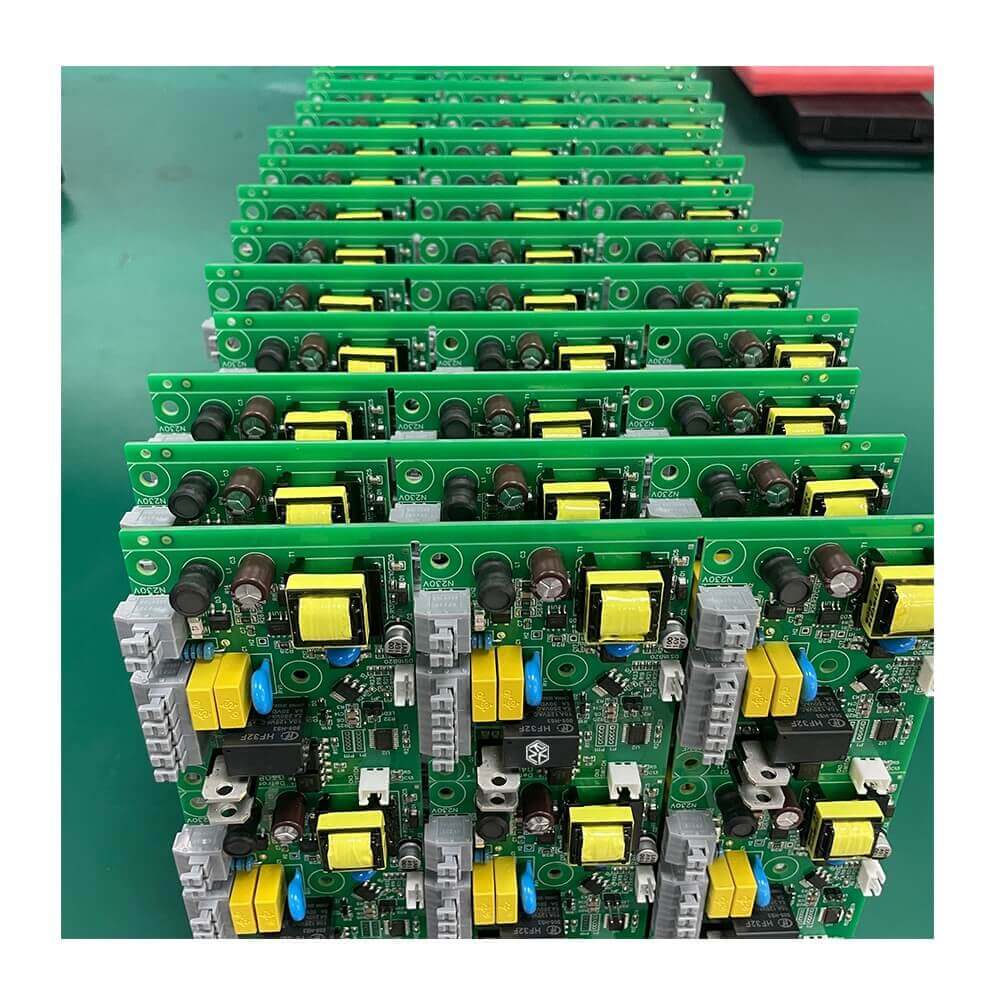
Industrial control and power-conversion results depend on the specified input voltage, output load, thermal condition, transformer or relay revision, power-component seating, and protection thresholds. A board tested at a lighter load, with a substitute magnetic component, or under a different cooling condition does not verify the approved operating point.
A relay rated for the specified switching current but sourced from an alternate manufacturer may pass incoming continuity checks while having different contact-bounce or thermal-derating behavior. This difference may appear only under sustained rated load. High-current paths, polarized devices, and protection timing remain tied to the recorded hardware and test conditions.
Medical and Diagnostic Electronics
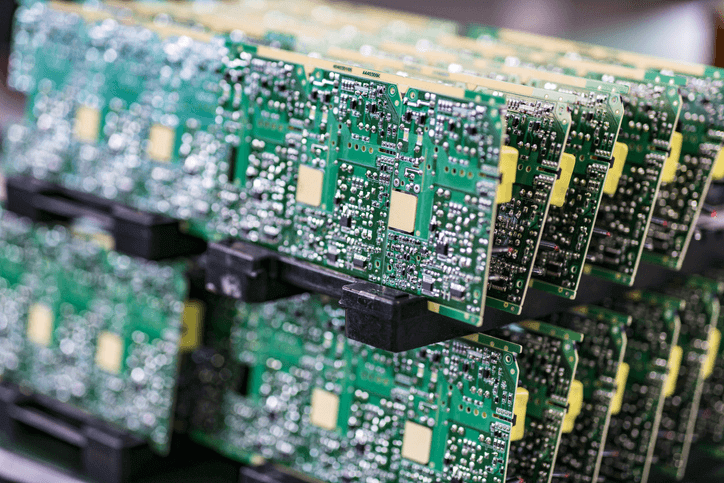
Medical and diagnostic PCB FAI aligns risk-control characteristics, critical components, lot or serial traceability, controlled assembly conditions, software configuration, inspection, and test outcomes with the approved quality plan.
Process-validation evidence does not replace characteristic-level FAI results, and a passing FAI does not replace required process validation. Process validation confirms that the process is capable, while FAI confirms that the specific article and revision meet the approved requirements. Each record retains the board identity and product revision so results from another validated setup cannot be substituted.
Telecommunications and Data-Communication Hardware
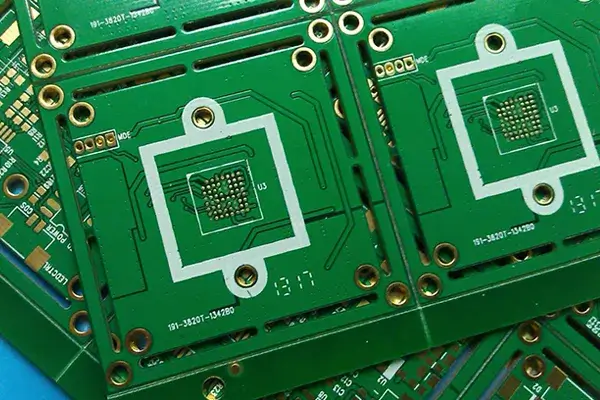
Telecommunications, data-communication, and optical-networking results depend on the approved interface rate, clock condition, optical or mixed-signal device revision, fixture, instrument bandwidth, firmware, and test program.
A passing interface result at a lower data rate or with a different fixture revision does not verify the submitted configuration. A transceiver tested at a lower line rate may produce acceptable eye-diagram and bit-error-rate results while masking jitter or timing-margin problems that appear at the approved rate. Component identity, hidden-joint evidence, and programmed settings must remain linked to the stated test conditions and acceptance limits.
Robotics and Connected Devices
FAI for robotics and connected devices links sensor calibration, actuator load, motor-control parameters, wireless-module revision, programmable-device files, and product-specific response limits to the submitted board.
Results are not comparable when the actuator load, calibration state, motor constants, antenna configuration, or firmware differs from the approved test definition. A wireless module replaced with a pin-compatible alternate may maintain a connection and pass basic connectivity tests while operating with different transmit-power or antenna-matching conditions. These differences can affect regulatory certification and functional performance and cannot be confirmed by continuity testing alone. These conditions remain visible beside the connectivity and functional results.
Production Approval Methods
FAI, PPAP, and first-piece inspection can coexist. Each method supports a different approval decision, and the contract and customer-specific requirements define which record governs the project.
| Approval Method | Trigger / Sample Origin | Coverage and Deliverable | Approval Authority |
|---|---|---|---|
| FAI | Initial production-representative item; qualifying design, source, location, route, or lapse event | Full or Partial accountable-characteristic coverage plus material, process, software, inspection, functional, NCR, and approval records in the FAIR | Customer, delegated quality authority, or contract-defined approver |
| PPAP | Automotive customer submission using production-representative parts and process evidence | Customer-required production approval package; FAI/dimensional evidence may support but does not replace other PPAP elements | Automotive customer or designated approval authority |
| First-Piece Inspection | First unit(s) after run start, shift, setup, changeover, or restart | Selected setup and product checks; shop-floor production-start record; narrower than formal FAI | Internal manufacturing or quality authority unless customer-defined |
When Does Automotive Approval Require PPAP?
While First Article Inspection and first-production evidence support a PPAP submission, they do not replace customer-required elements such as the process flow, PFMEA, control plan, measurement-system evidence, capability results, material or performance records, and the applicable submission warrant. The contract and customer-specific PPAP level determine whether FAI, PPAP, or both are required.
How Does First-Piece Inspection Differ?
FAI establishes or re-establishes the approved production baseline, while first-piece inspection confirms selected setup and product features after line restarts, program loads, changeovers, or similar production starts. First-piece inspection may catch setup errors before they continue through production, but it does not replace a contract-required FAIR.
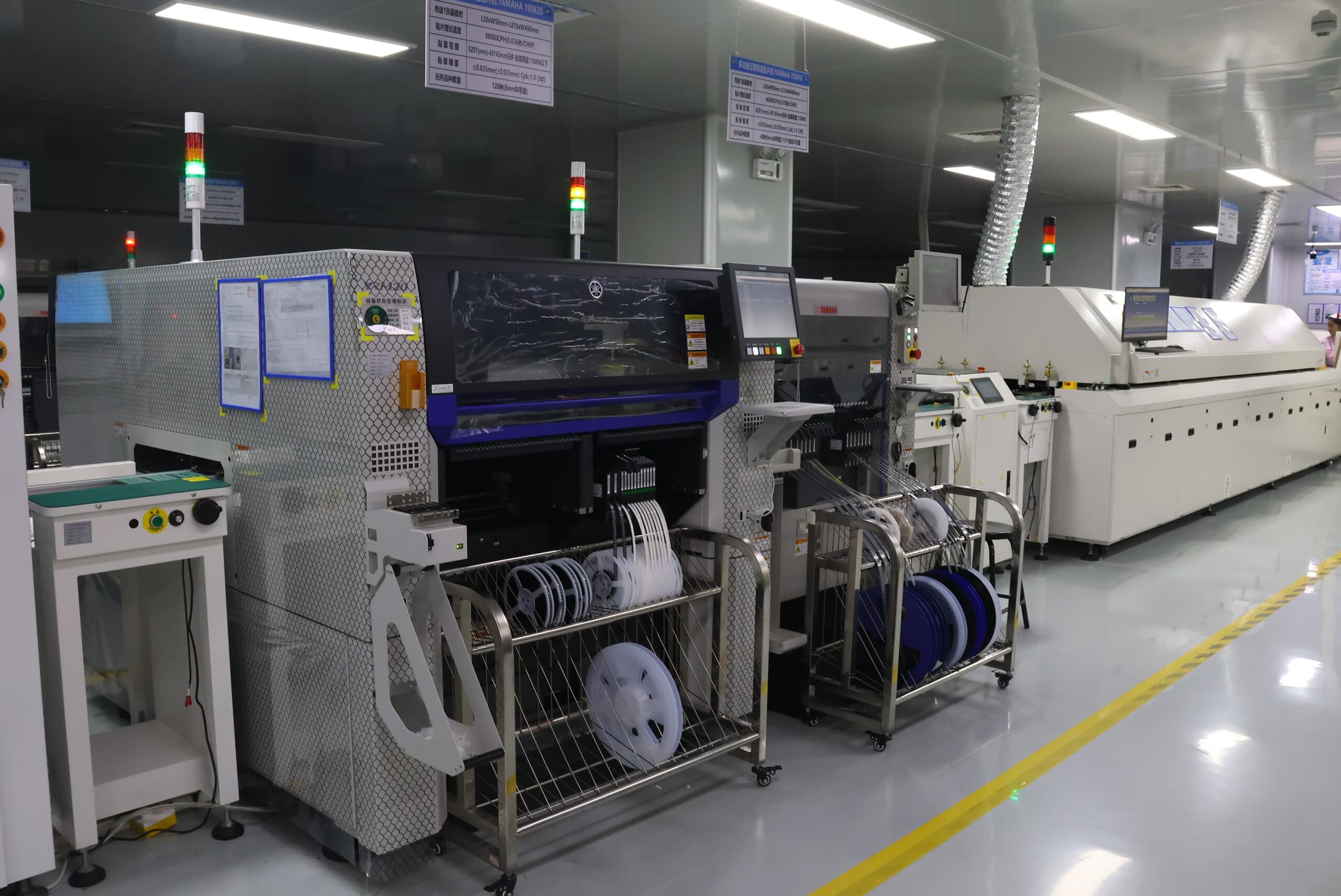
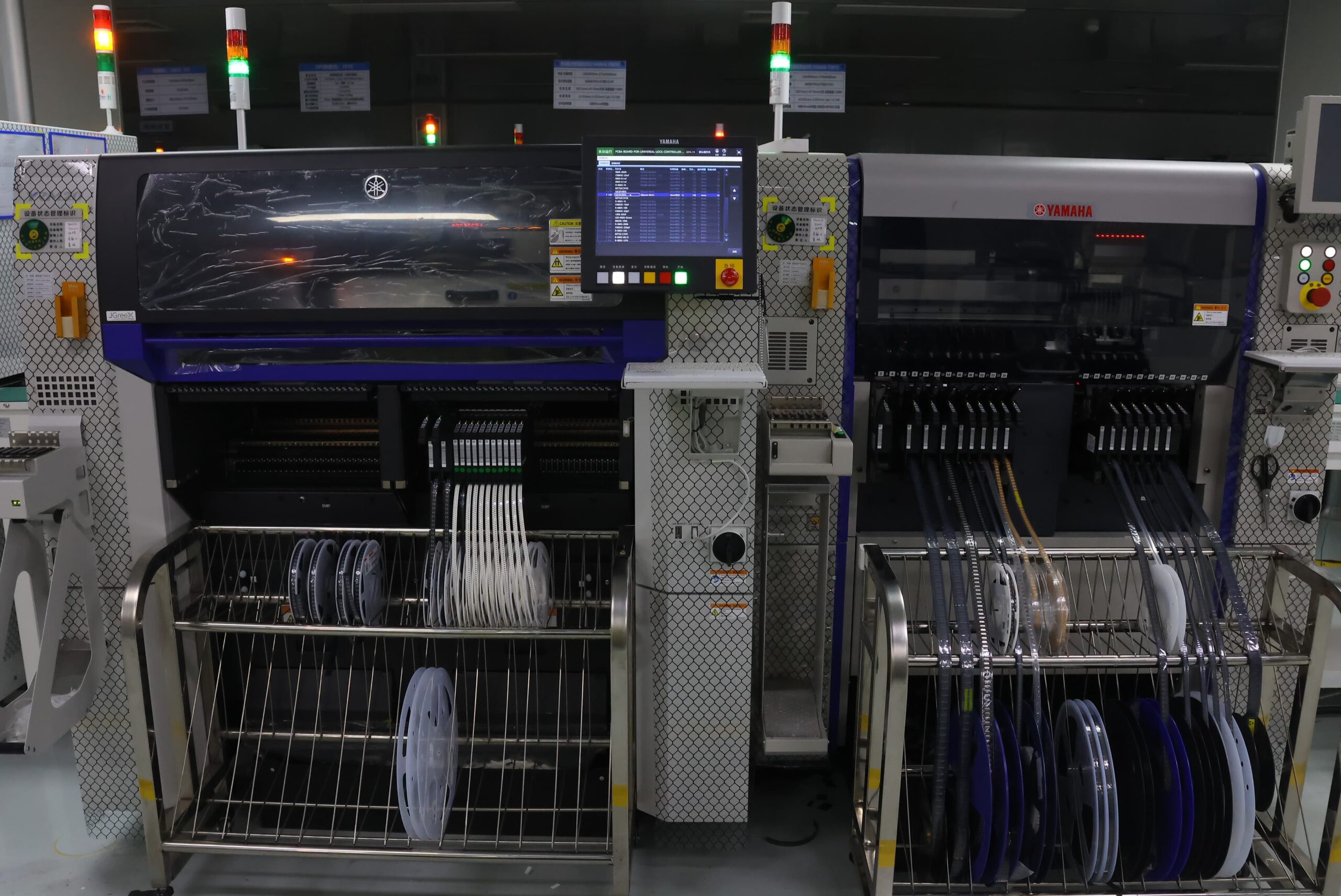
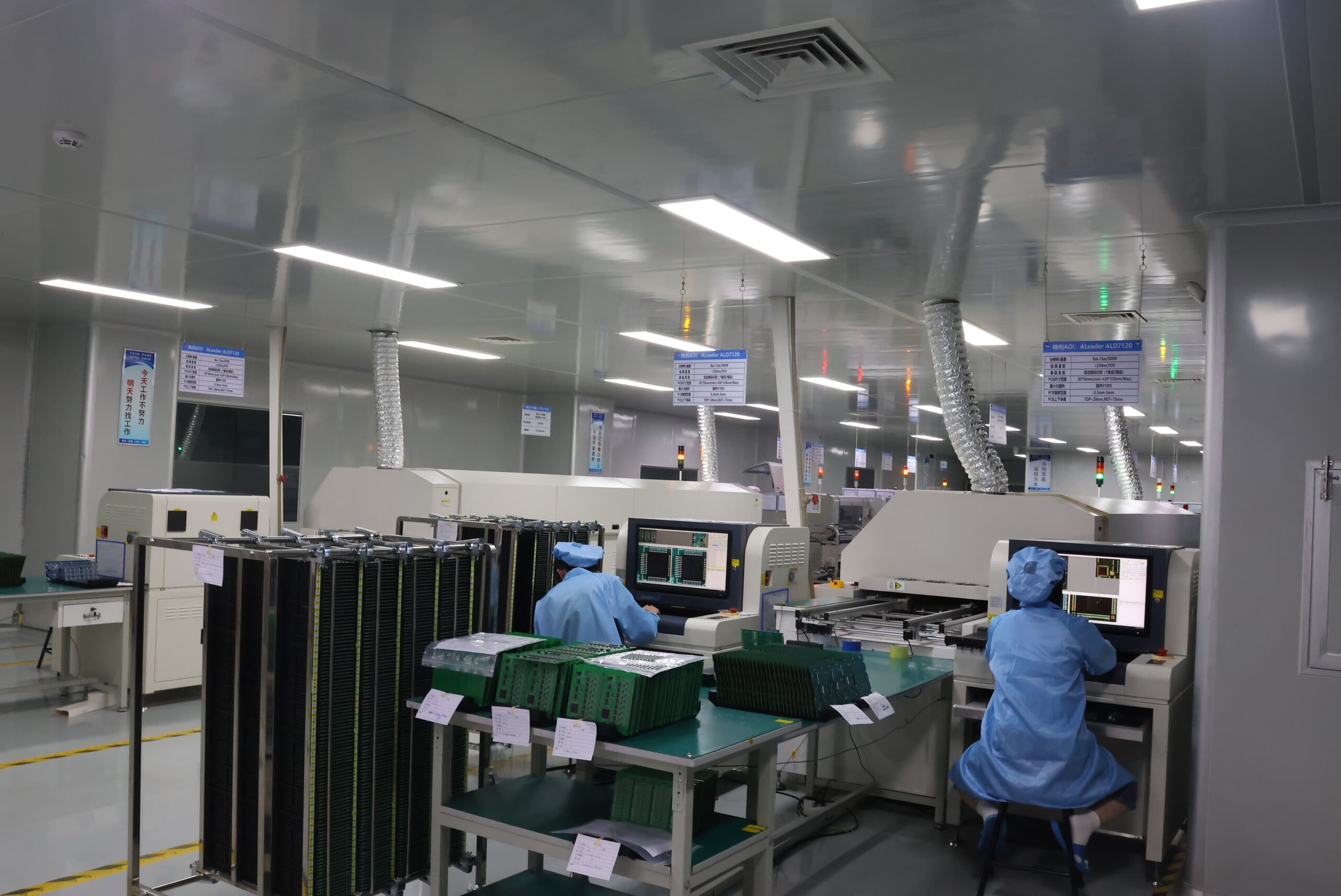
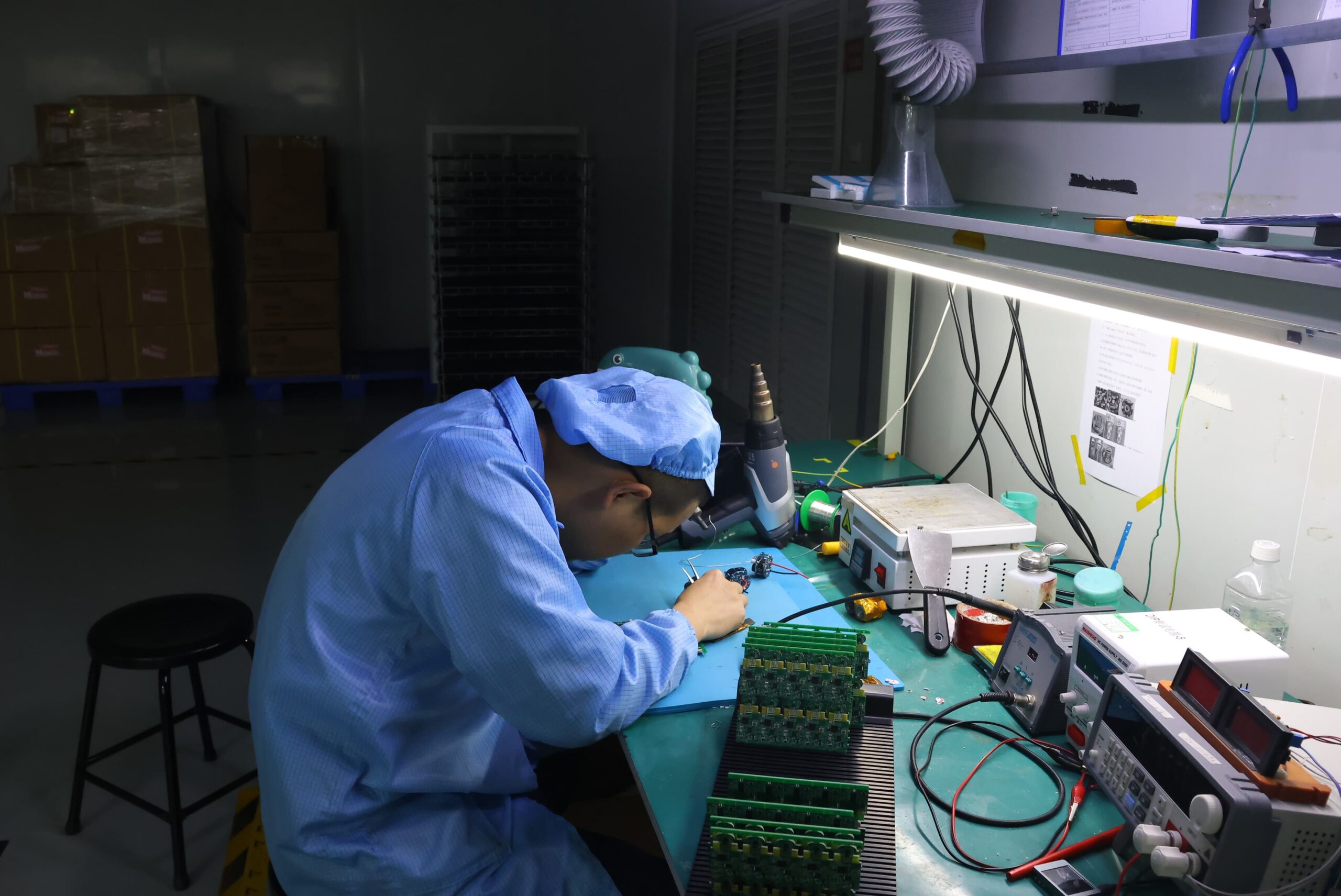
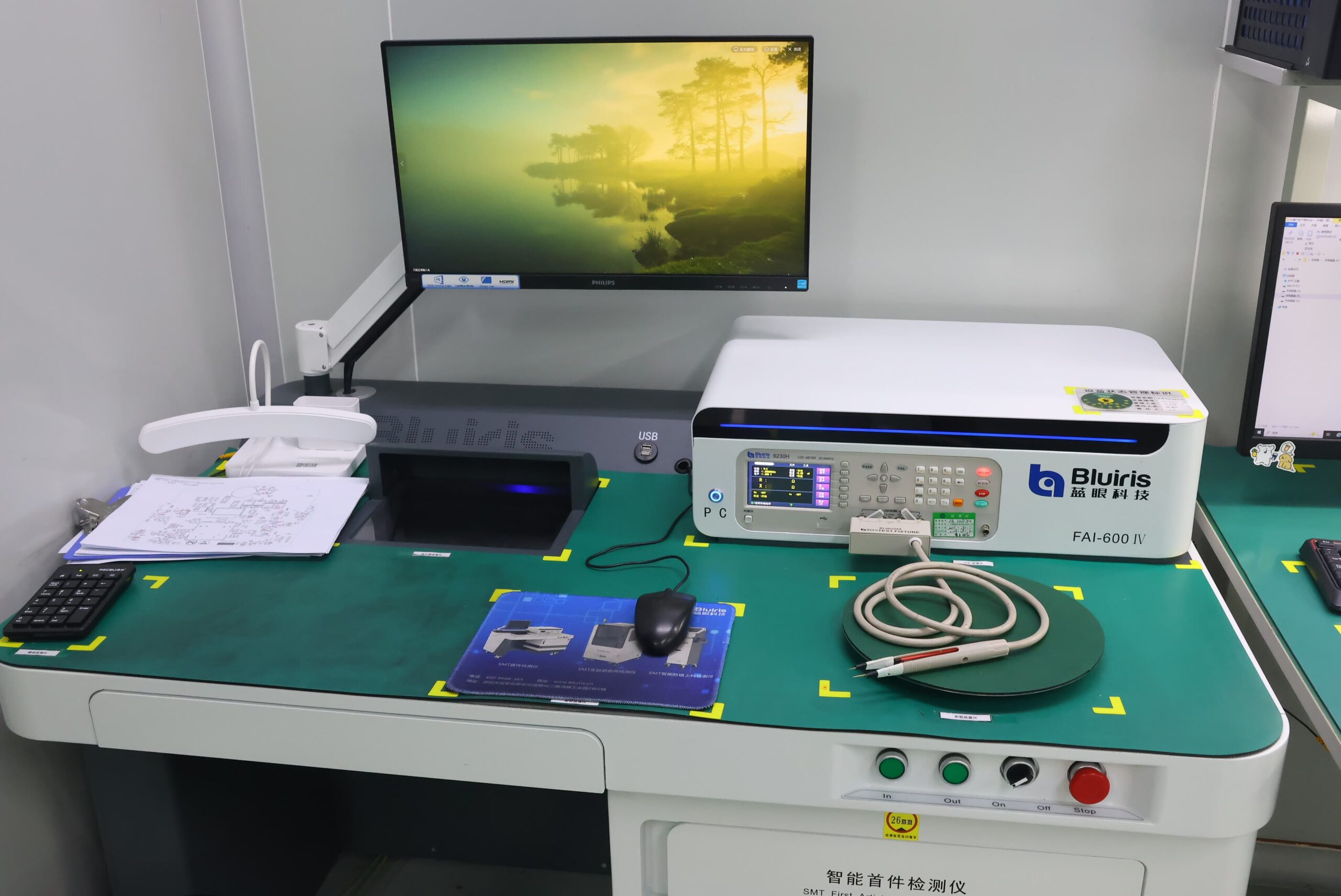
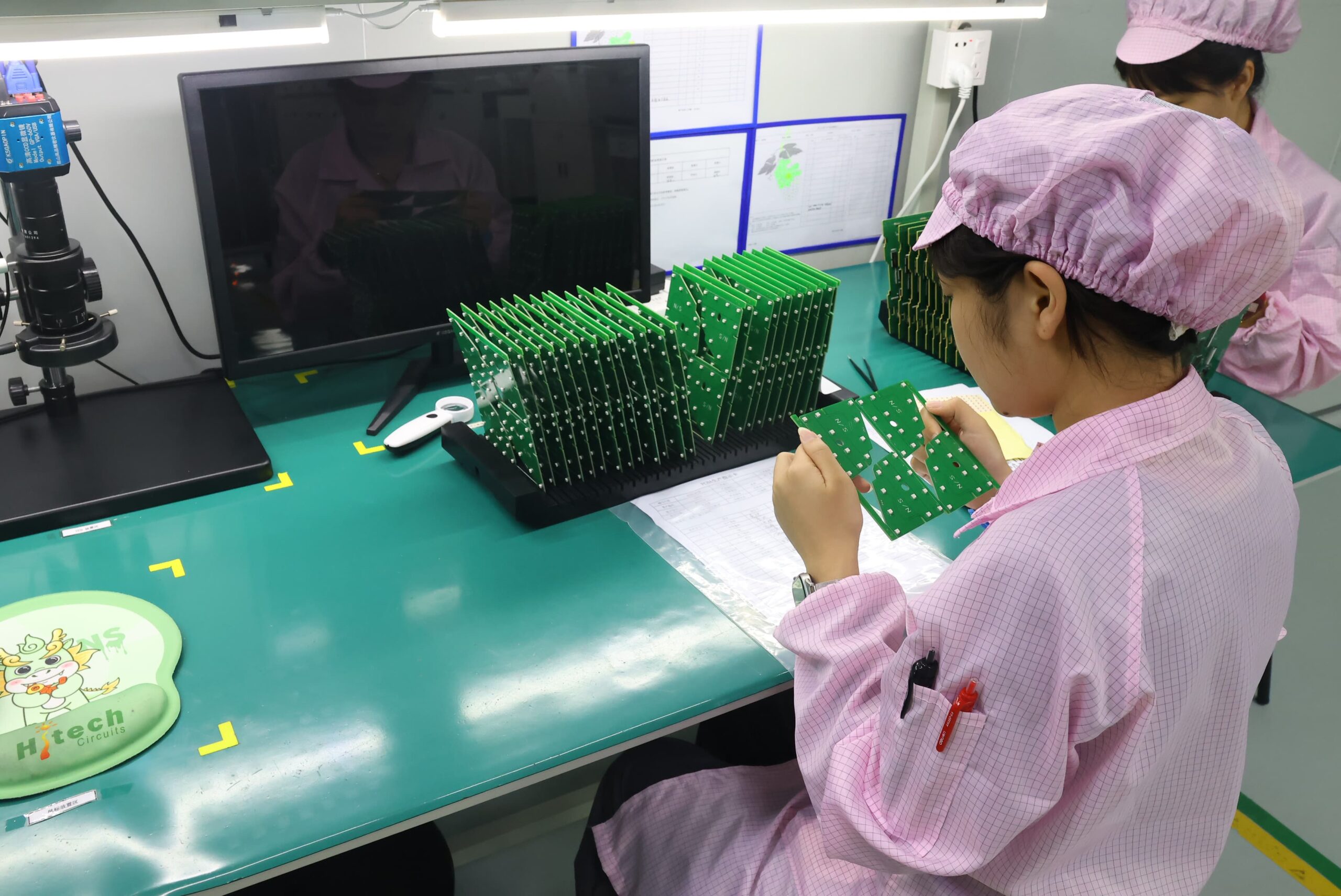
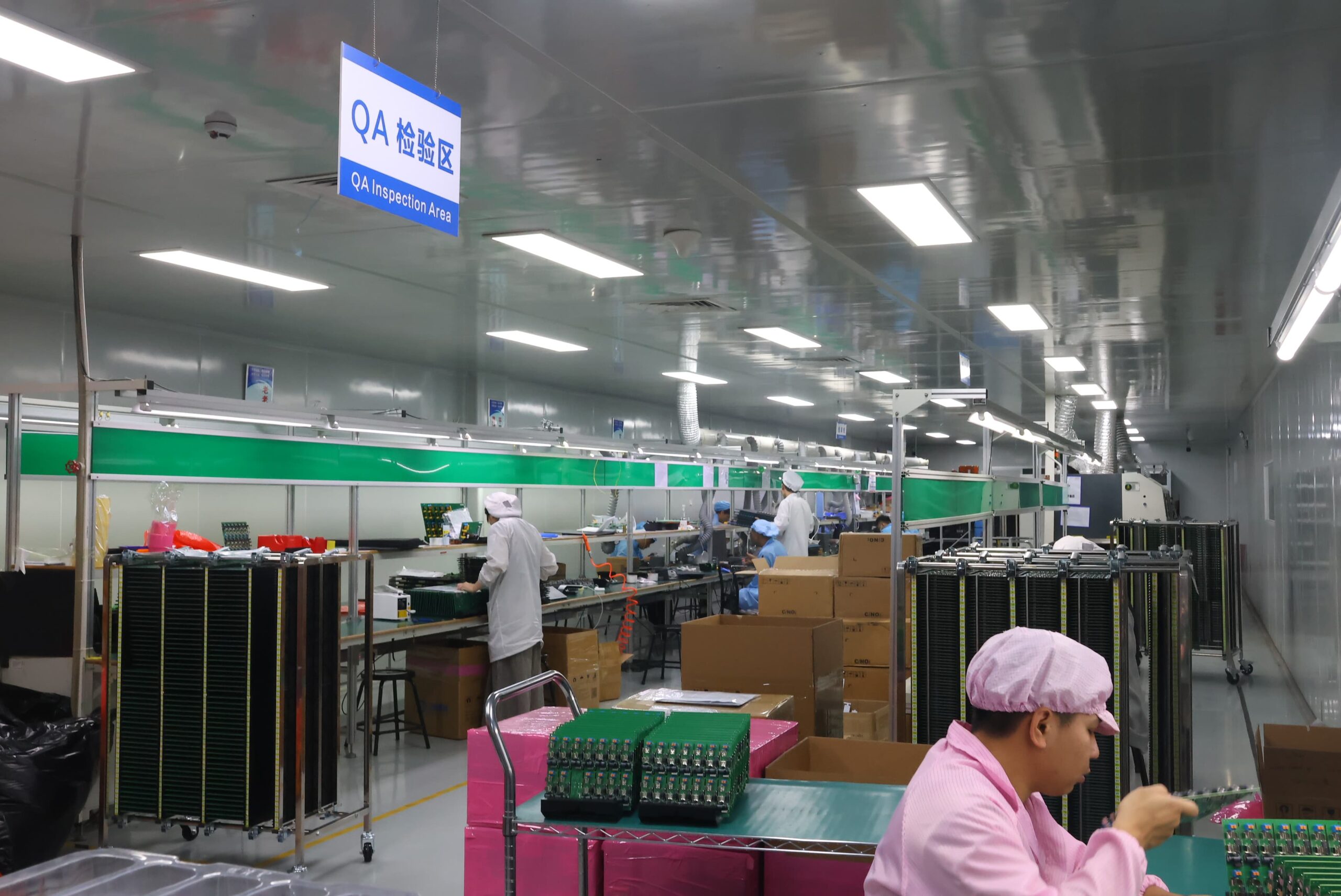
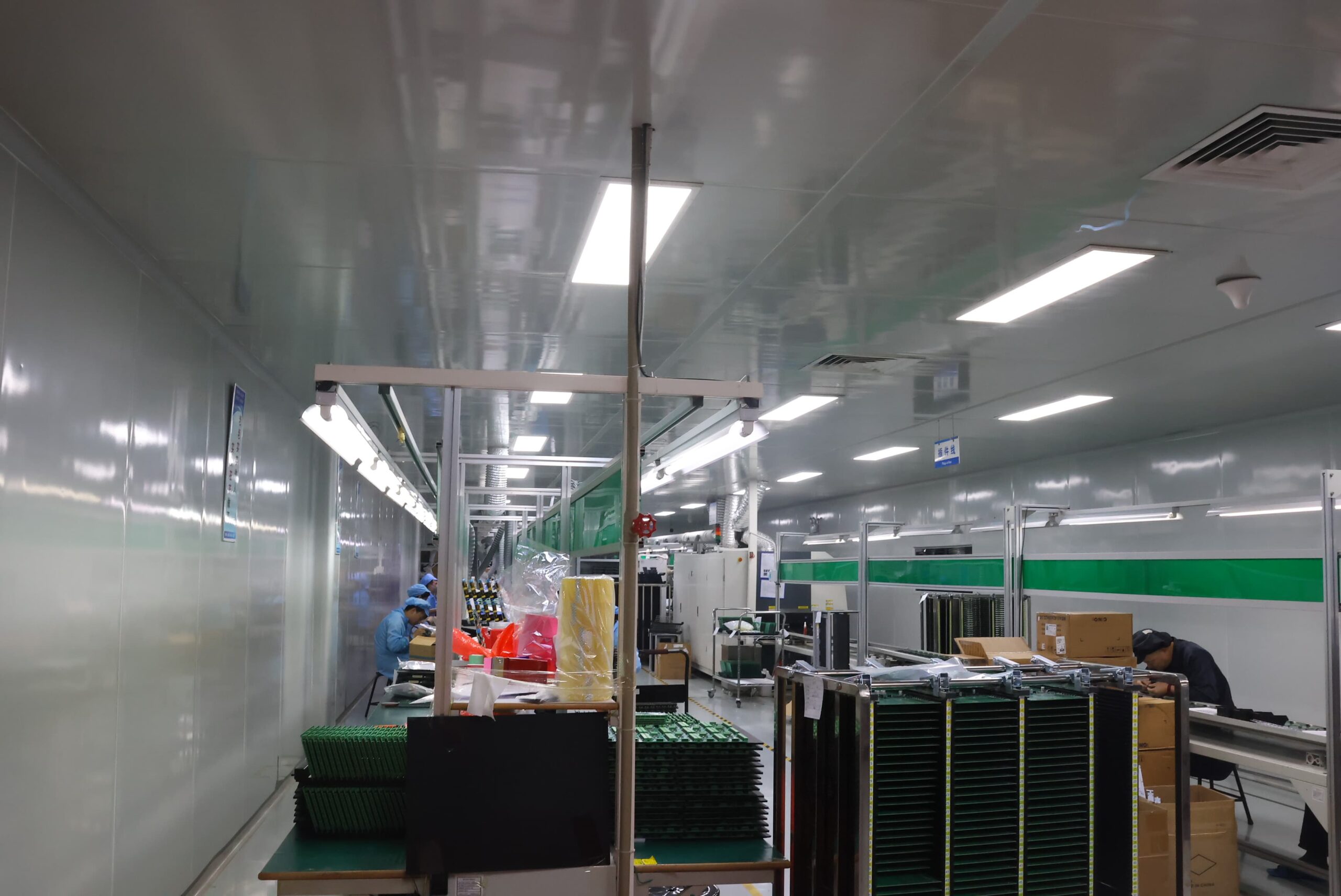
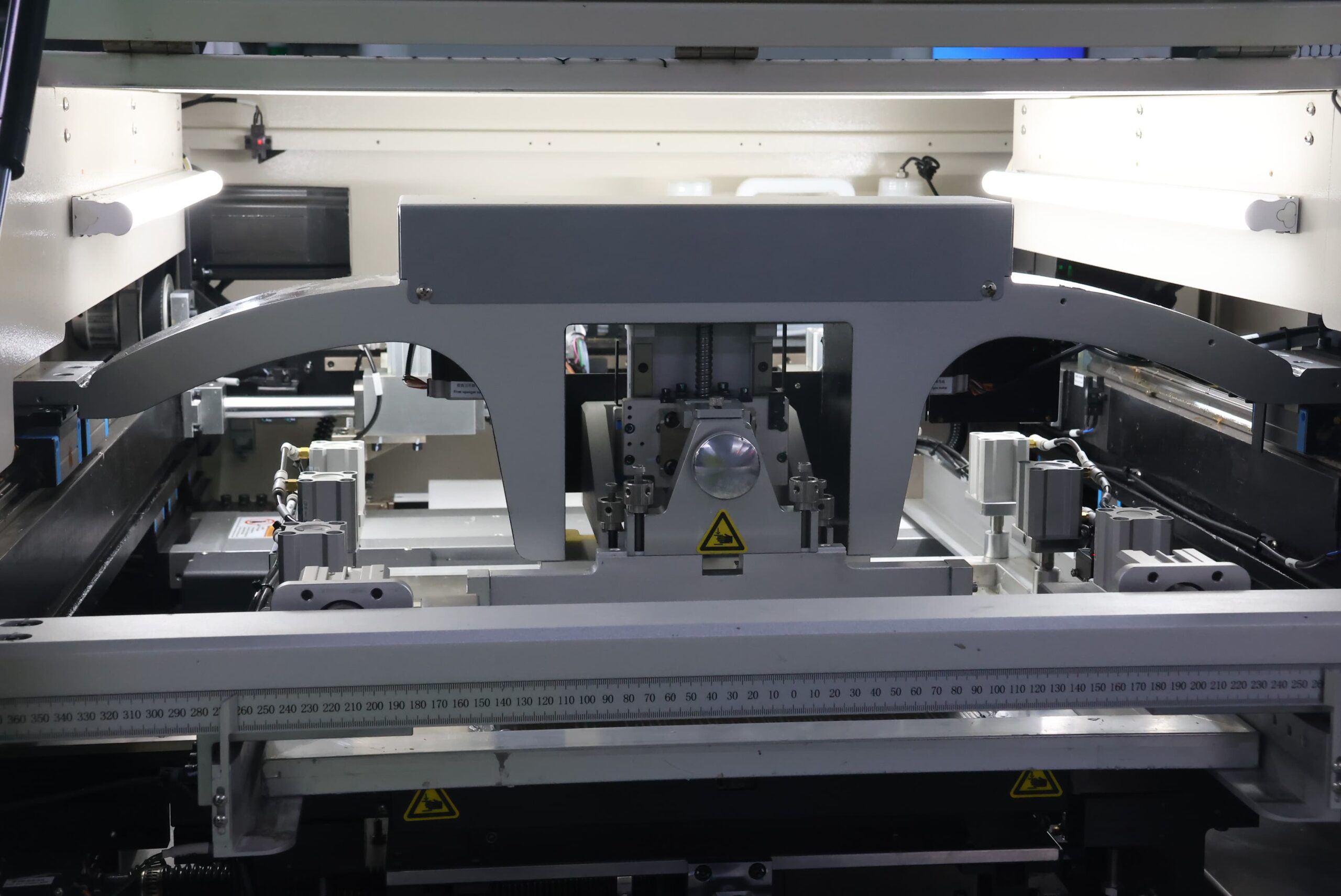
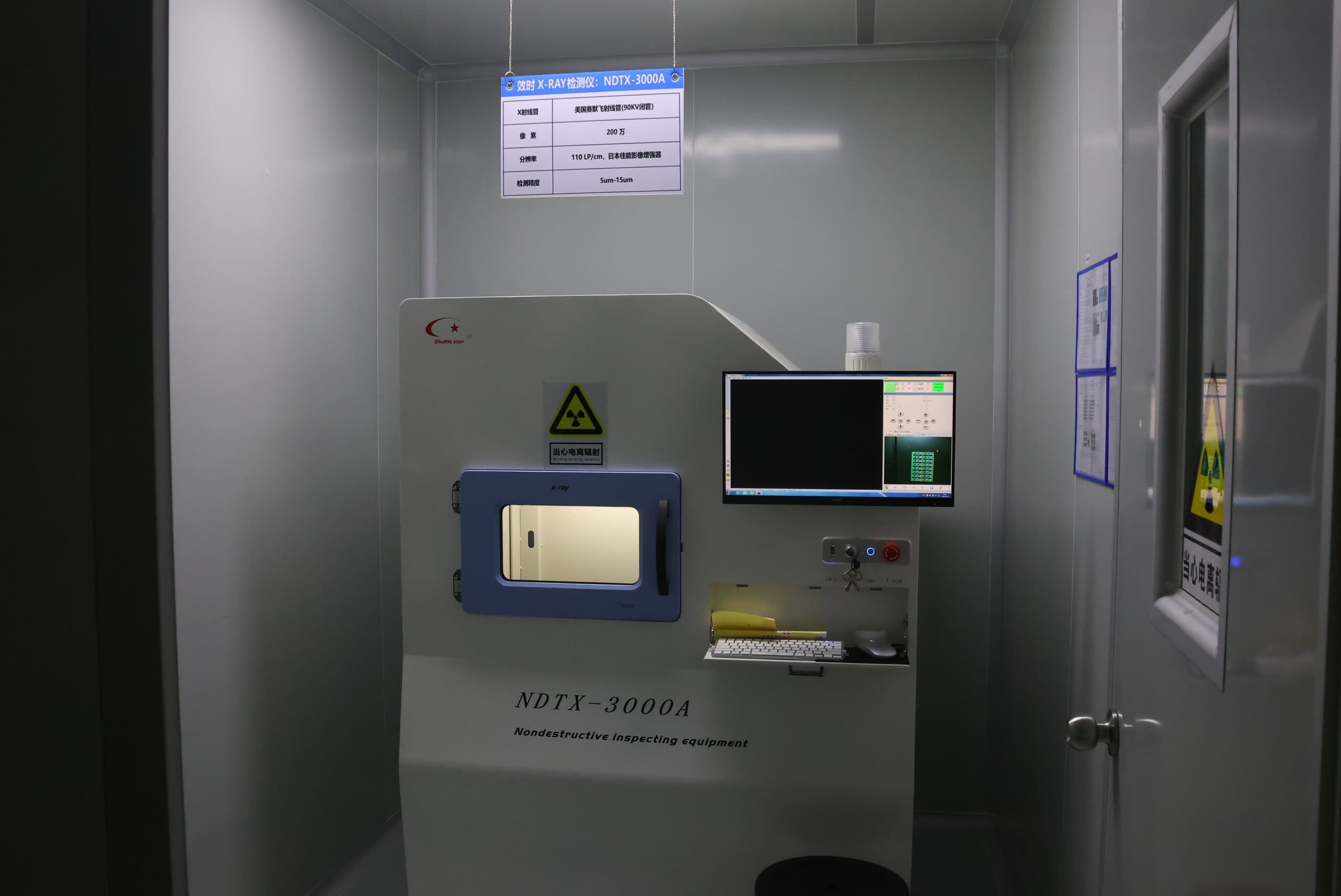
Our PCBA Production Lines



Frequently Asked Questions
The sample count depends on the contract, customer requirements, product risk, accountable-characteristic plan, production configuration, destructive testing, and functional testing. Some products support many nondestructive checks using one unit, while others require additional units for variation, destructive analysis, or different test conditions. In practice, each destructive test or incompatible load or environmental condition may require a separate unit.
The cost and lead time of First Article Inspection depend on the complexity of the technical data, number of characteristics, inspection or test methods, fixture or programming preparation, FAIR format, sample quantity, external certificates, nonconformance correction, and customer approval. X-Ray inspection, programmed configurations, or multiple functional conditions increase the required effort.
A ballooned drawing is common but not universally required. An accepted drawing, annotated model, or controlled characteristic index must uniquely connect every accountable requirement to its Form 3 entry or referenced inspection result and make omissions or duplicate accountability visible.
Yes. A FAIR may reference documented NCRs and the affected characteristics, disposition, correction or authorized deviation, reinspection, verification, and customer decision. Recording the NCR alone does not approve the first article or release production.
Low-volume and high-mix programs still require a production-representative setup, approved revision, accountable characteristics, controlled evidence, and the required customer decision. A reusable baseline FAIR may support additional runs, while documented changes require Partial FAI for the affected characteristics. Limited quantity does not remove contract, quality-plan, traceability, inspection, test, or approval requirements.